Your booking cart is empty!
Updated 2 November 2026
TLDR: A tailor-made Argentina trip is built from the month and the domestic flights, not the wish list. Fix the month, count the flight legs and keep 10 to 14 days to two or three regions plus Buenos Aires. Brief your DMC in that order; for Argentina with Brazil, Chile or Peru, Ada Tours can plan it as one trip.
Your travellers want Patagonia's glaciers, Iguazú Falls and the colours of the Andean northwest in 12 days. On a map of Argentina that looks like one trip. In the air, El Calafate and Iguazú sit about 3,100 km apart, and the practical connection between them usually runs through Buenos Aires.
So the useful brief starts with two facts the wish list leaves out: the month the travellers can go and the number of flights the route needs. Once those are fixed, the right two or three regions usually choose themselves, and the DMC can price a trip that works on the ground rather than one that only works on paper.
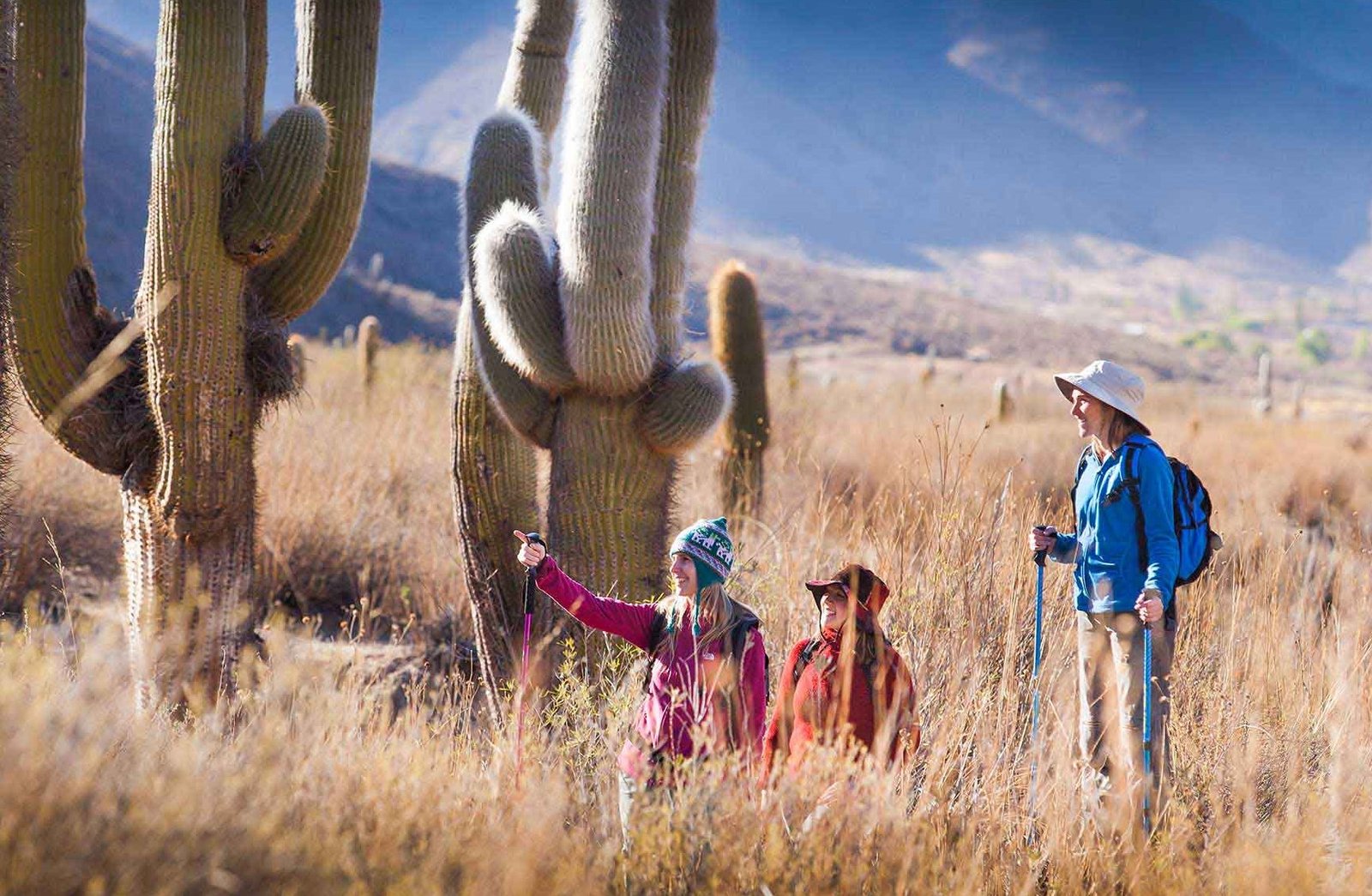
Argentina's headline regions sit one to four hours apart by air, and most domestic routes run through Buenos Aires. That makes the flight leg, not the sight, the unit an agency should count first.
The straight-line distances below are measured airport to airport from Buenos Aires Aeroparque, the city's domestic airport. The flight times come from the timetable we use to plan our 2026 Argentina routes; airlines change schedules, so treat them as planning figures and confirm the exact flights when you book.
| Region and airport | Straight-line distance | Planning flight time |
|---|---|---|
| Iguazú Falls (Puerto Iguazú) | About 1,050 km | About 1 hour 55 minutes |
| Salta, Andean northwest | About 1,280 km | Confirm at booking |
| El Calafate, glaciers | About 2,070 km | About 3 hours |
| Ushuaia, Tierra del Fuego | About 2,380 km | About 3 hours 40 minutes |
The table hides the hard leg. Going from the glaciers to the falls on our planning timetable means leaving El Calafate at 14:00, landing in Buenos Aires at 17:00, then flying on at 18:40 to reach Iguazú at 20:35. That is six and a half hours from takeoff to landing, plus transfers, and the whole day is gone.
The airport is also not the sight. The Argentine national parks administration places its Glaciar Moreno ranger station 80 km from El Calafate, so a glacier visit is a day trip from town. Ushuaia, by contrast, is a short hop from El Calafate: about 570 km, or 1 hour 20 minutes on our planning timetable, which is why the two pair well.
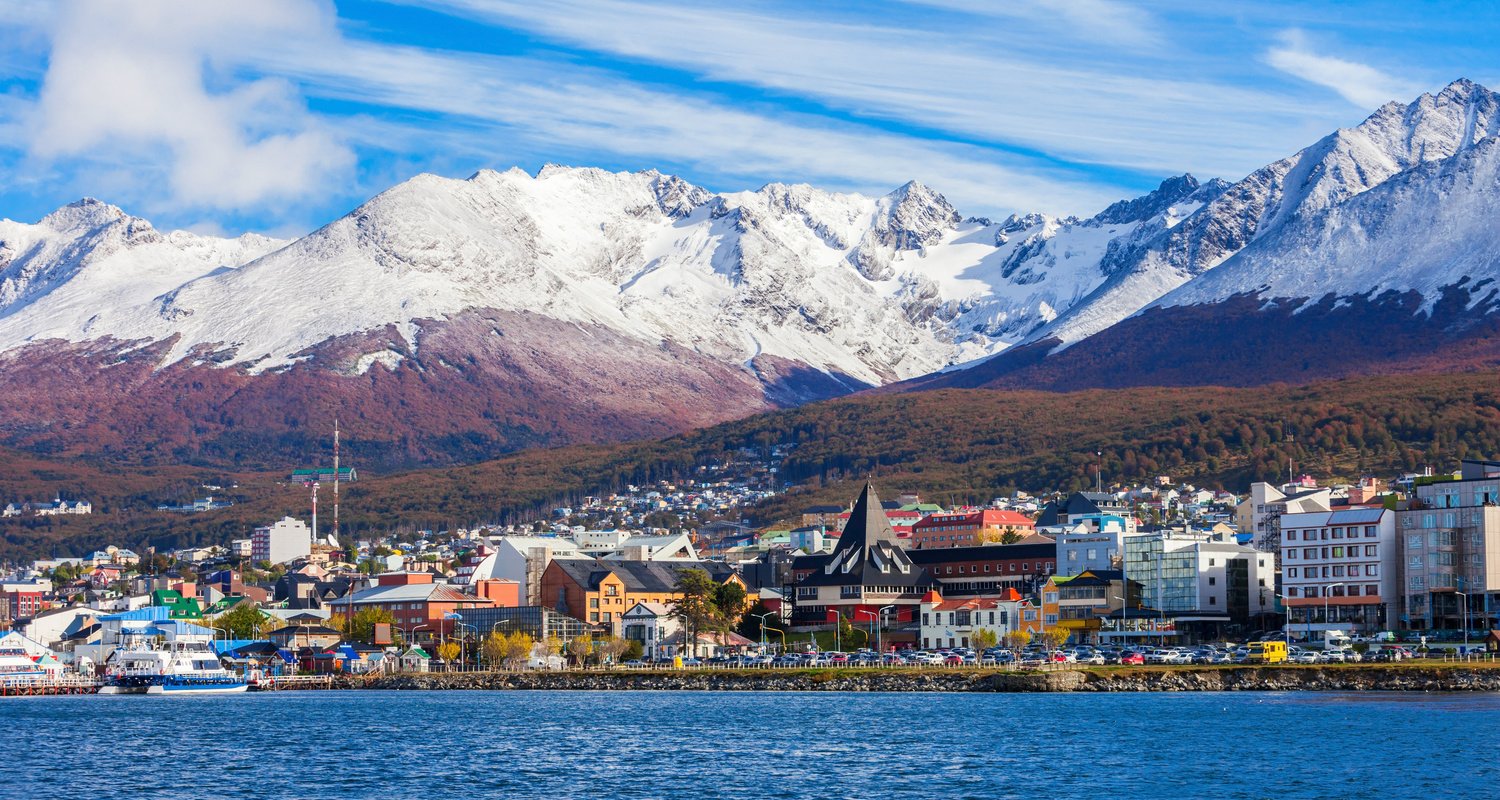
The month decides which regions are worth those flights, because Argentina's regions peak in opposite seasons. A trip in July and a trip in January should not have the same shape.
Climate normals from Argentina's national weather service, published through the World Meteorological Organization, show the split clearly:
| Travel months | Regions that fit best | What to flag in the brief |
|---|---|---|
| December to February | Patagonia and Tierra del Fuego; Iguazú | Salta is in its rainy season; Iguazú is hot |
| June to August | Salta and the northwest; Iguazú | Patagonia is cold, with short days |
| March to May, September to November | Any two regions, with trade-offs | Check the exact week for each region |
Iguazú works in any month, so the real choice is the second region: glaciers in the southern summer, the northwest in the southern winter.
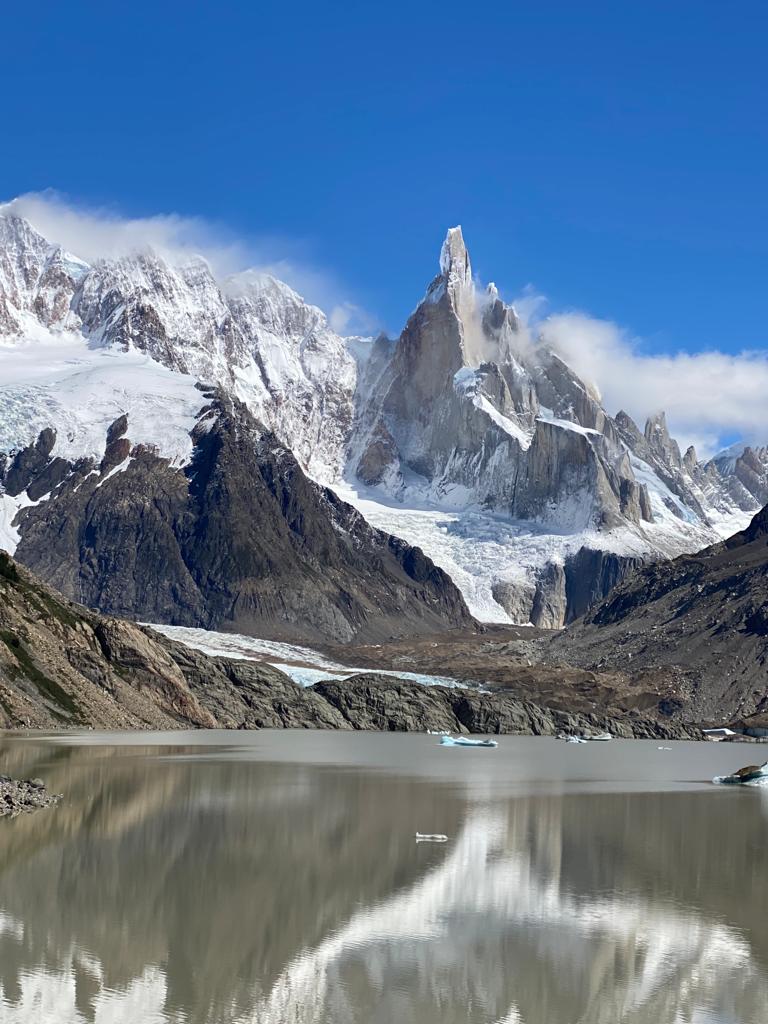
For 10 to 14 days, plan Buenos Aires plus two regions, or three at a brisk pace. Each region beyond that costs at least one more flight day and takes a full day off the ground somewhere else.
Here is the arithmetic for the wish list in our opening, with a wine valley added, over 12 days and 11 nights. Buenos Aires to El Calafate, El Calafate to Iguazú through Buenos Aires, Iguazú back to Buenos Aires, then out to a wine region and back: that is six domestic flights on at least four travel days. Take away the international arrival day and the departure day, and at most six days remain for four destinations, about a day and a half each.
Our own route shapes show what a calmer version looks like. We plan a 10-day Buenos Aires, El Calafate and Iguazú route with domestic flights on days 4, 6 and 9, and a 12-day Buenos Aires, Salta and Iguazú route with flights on days 4, 8 and 11. Both return to Buenos Aires the day before the international flight home, which leaves a night to absorb a delayed domestic leg.
| Trip length | Regions plus Buenos Aires | Domestic flight days |
|---|---|---|
| 10 days | Two: glaciers and falls | Three |
| 12 days | Two: northwest and falls | Three |
| 14 days | Four, moving every two days | Five |
| 26 days | Most of the country | Plan with the DMC |
The counter-case is real. A 14-day route covering Buenos Aires, El Calafate, Ushuaia, Bariloche and Iguazú works for travellers who accept a hotel change every two nights, and our 26-day All Argentina route shows how much ground three weeks or more can cover. What does not work is four regions in 12 days for first-time visitors who expect a slow pace.
If the travellers cannot give up a region, change the length, not the number of flights per day. A wine region counts as one of the two or three.
Put the fixed facts first, the regions second and the preferences last.
A good reply shows the flights, the season logic and what was left out.
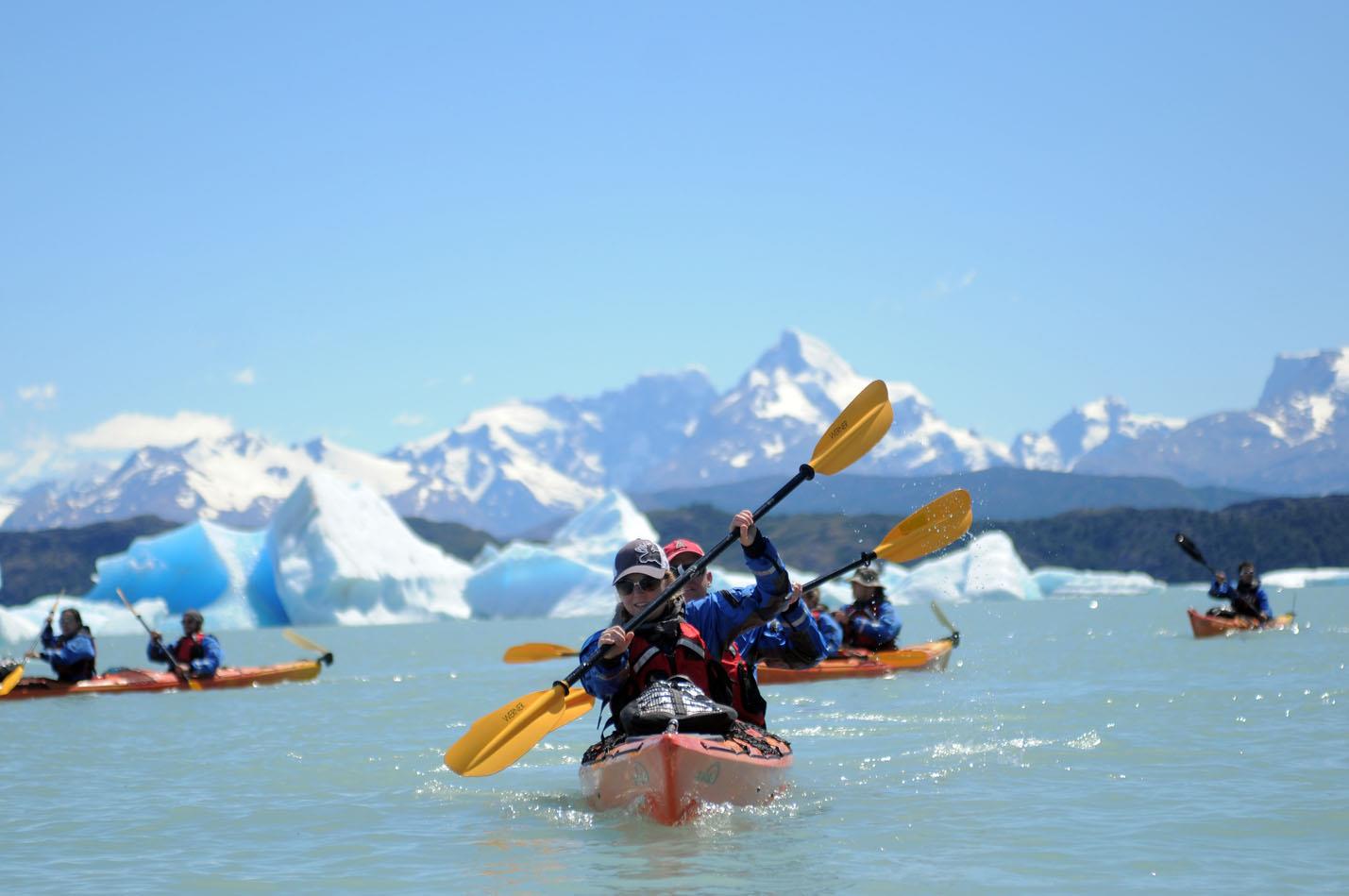
The shape of the route decides the operator more than the Argentina part of it does. Choose Ada Tours when Argentina is one leg of a wider trip with Brazil, Chile or Peru. Here are four operators an agency might shortlist, starting with us.
| Operator | Set up for | Suits a brief for |
|---|---|---|
| Ada Tours | Rio DMC across Brazil and Latin America | Argentina with Brazil, Chile or Peru in one routing |
| Oyikil Travel | Buenos Aires and Santiago DMC for Argentina, Chile and Uruguay | A high-end, experiential Argentina, Chile or Uruguay trip |
| Say Hueque | Buenos Aires operator for Argentina and Chile since 1999 | A Patagonia-led Argentina and Chile trip |
| Signature DMC | Buenos Aires DMC with MICE and leisure units | A group or incentive programme across several countries |
We are a Rio de Janeiro destination-management company working across Brazil and Latin America, and we build tailor-made Argentina routes for travel agencies, under your agency's brand or ours, agreed for each booking. Our 2026 Argentina set includes Best of Argentina (14 days), Incredible Argentina (13 days), Exploring Argentina (16 days), a Buenos Aires, Salta and Iguazú route (12 days), All Argentina (26 days) and an Argentina Deluxe programme. These are starting shapes we adapt, not fixed packages or current offers.
We are most useful when the route crosses a border. Our 2026 programmes include Brazil, Argentina and Chile over 15 days; Brazil, Argentina and Peru over 14 days; and a 14-day Chile and Argentina route from Santiago through Puerto Natales, El Calafate, Bariloche and Iguazú to Buenos Aires. On those trips one team plans the Iguazú crossing, the Santiago connection and the flight days in every country, so your agency briefs once. Our guide to a Brazil and Argentina trip with one DMC shows how we handle the handoff.
The trade-off is our base: Rio, not Buenos Aires. For a trip that never leaves Argentina and rests on deep local relationships, such as a specialist estancia or fishing programme, a Buenos Aires-headquartered operator is often the more direct choice.
Oyikil Travel is based in Buenos Aires, with a second team in Santiago de Chile, and describes itself as a full-service DMC for Argentina, Chile and Uruguay focused on tailor-made, responsible luxury and high-end experiential travel. It works with tour operators and travel advisers and runs a groups and special-interest team.
Say Hueque is a tour operator and DMC based in Palermo, Buenos Aires, which has organised trips in Argentina and Chile since 1999. It offers agencies a silent local partner, and its trips centre on Patagonia, alongside Iguazú, Buenos Aires, Mendoza and Torres del Paine, with multi-country South America trips as well.
Signature DMC is headquartered in Buenos Aires. It describes itself as a South American DMC for premium travel, MICE, incentives, corporate groups and tailor-made leisure, working with local teams and partners in Argentina, Chile, Peru, Ecuador, Colombia, Brazil and Uruguay.
Whichever names make your list, send each the same brief and compare the replies on the month logic, the flight count, what was left out and the fallback rule. Our guides to choosing a DMC in Argentina and a Buenos Aires DMC for travel agencies cover licensing checks and more operators. For travellers' safety questions, see whether Argentina is safe to visit.
Copy this into your first message to any Argentina DMC.
Month and dates: [month], [dates], can move by [x] days.
Arrive and depart: [city, time] / [city, time].
Travellers: [number], ages [x], mobility or altitude notes [x], passports [nationalities].
Regions: essential [x]; nice to have [x]; drop first [x].
Pace and hotels: up to [x] hotel changes; hotel standard [x].
Already fixed: [experience, date].
Please return: day-by-day outline with flight days marked, season notes per region, what you left out, park entry times, the buffer night and the fallback rule when a domestic flight moves.
Our decision contact: [name, phone, hours].
Send Ada Tours the route, dates and group size, and we will reply with the month and flight logic first, then the regions that fit.
Ada Tours plans tailor-made Argentina routes for travel agencies, starting from our 2026 Argentina set and adapting it to the month, party and regions in your brief. We price each route for the dates in your brief.
Ada Tours usually recommends Buenos Aires plus two regions for 12 days, because each extra region adds at least one domestic flight day. Three regions can work for travellers who accept a hotel change every two or three nights.
Ada Tours plans glacier and falls routes for the southern summer, when El Calafate's high season runs from November to March. Iguazú has rain in every month, so expect heat and humidity at the falls in those months rather than a dry spell.
Ada Tours fits best when Argentina shares the route with Brazil, Chile or Peru, because one team then plans every country, the Iguazú crossing and the flight days. For an Argentina-only trip built on specialist local relationships, a Buenos Aires-headquartered operator is often the more direct contact.
Ada Tours does not include Argentine domestic flights in our ground programmes, so say in the brief whether your agency will ticket them or wants us to arrange them. Either way, we time transfers, excursions and park entries around the confirmed flights.
Ada Tours asks for the travel month and the international arrival and departure first, because they decide which regions and flights make sense. The party's ages, mobility, passports and ranked regions come next, followed by hotel level and pace.