Your booking cart is empty!
Updated 23 October 2026
TLDR A Buenos Aires DMC should connect your agency's Argentina itinerary beyond the capital: airport changes, domestic flights, regional transfers and the people receiving your travellers. Choose the partner that can explain how those services fit together, including what changes when a flight arrives late or the route crosses into Brazil.
An arrival at Ezeiza followed by a departure from Aeroparque puts a road transfer inside a flight connection. A proposal that says only Buenos Aires can hide that extra journey until the tickets are issued.
At Ada Tours, our Argentina itineraries extend from the capital to the lakes, wine country and Iguazú. Our advice to agencies is to settle the journey between stops before polishing the sightseeing: each receiving guide, driver and hotel needs a plan that matches the flights.
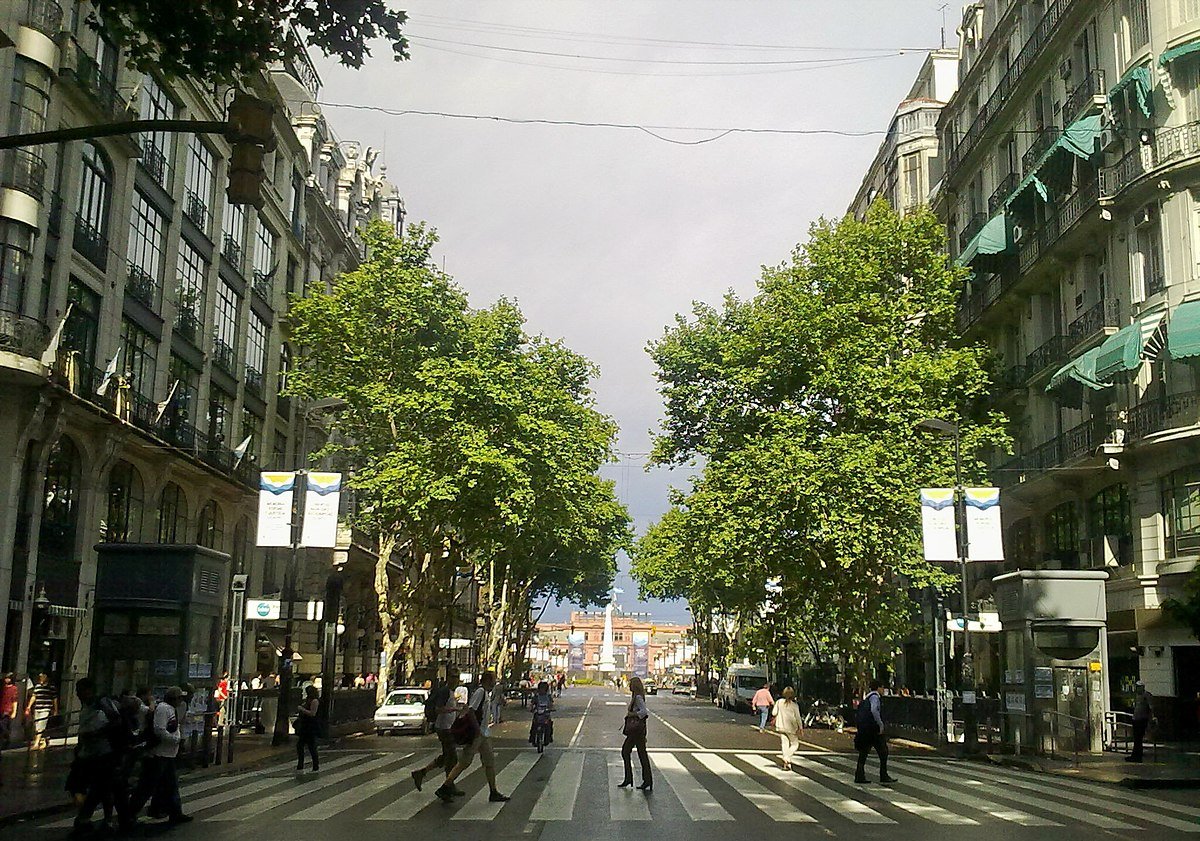
A Buenos Aires DMC should make the transfer from the arriving flight to the next booked service explicit, including any airport change. The agency needs to know who meets the travellers, where they go next and who acts if the arrival changes.
Argentina's foreign ministry airport information distinguishes Ezeiza, EZE, from Jorge Newbery Aeroparque, AEP. Ezeiza handles long-haul arrivals as well as some domestic services; Aeroparque handles domestic and regional flights. Check the airport code on each sector rather than assuming every domestic departure requires a change.
The airport's Ezeiza to Aeroparque transfer listing describes a separately reserved ground journey. Build the whole connection around the actual flights, entry formalities, baggage collection, road transfer and the onward airline's requirements. A road journey estimate alone cannot establish whether the connection works.
There is a timely reason to check exact flights. As at 23 October 2026, Argentina's tourism promotion institute reports Ezeiza runway works scheduled for 25 October to 11 November and advises agencies to check itineraries with the airline. Treat that notice as a prompt for flight-specific confirmation, rather than assuming every service is affected in the same way.
A late regional arrival can put the activity booked after it out of reach. A transfer to a Bariloche hotel and a lake excursion have different meeting points and departure arrangements, so a change to the flight needs to reach both services.
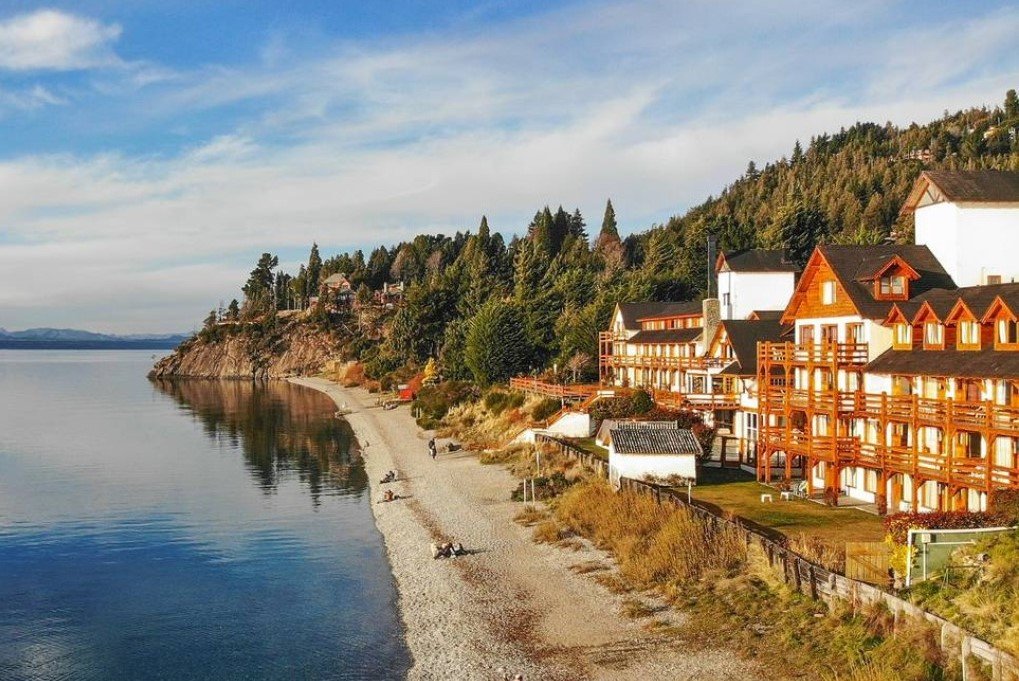
Our Bariloche planning can bring together airport transfers, lake excursions and guided touring. Put the hotel address, activity meeting point and luggage arrangements into the same day's plan. If an excursion is the main reason for the stay, give it a day that does not rely on an untested arrival connection.
The season also changes the brief. Bariloche's official summer information centres on lakes and outdoor activities, while its winter information covers snow activities and winter driving. Tell the DMC what travellers want to do and when, so the proposed services suit the trip rather than a photograph of another season.
For mountain walks, Nahuel Huapi National Park's guidance calls for checking trail conditions, weather and possible closures. Ask who checks the chosen activity and informs the guide and travellers if it changes. For a route extending farther into Patagonia, resolve the separate gateways and touring days through our Argentina and Chile Patagonia guide.
A Mendoza wine day needs a hotel base, a wine district and agreed appointments that work together. An arrival transfer ends at the hotel; it does not by itself explain how travellers reach the first winery the next morning.
The Mendoza government's wine-tourism report identifies distinct areas including Luján de Cuyo, Maipú and the Uco Valley. Choose the area around the intended visits, then check the accommodation and transport against it. Avoid collecting winery names first and leaving the day's geography until later.
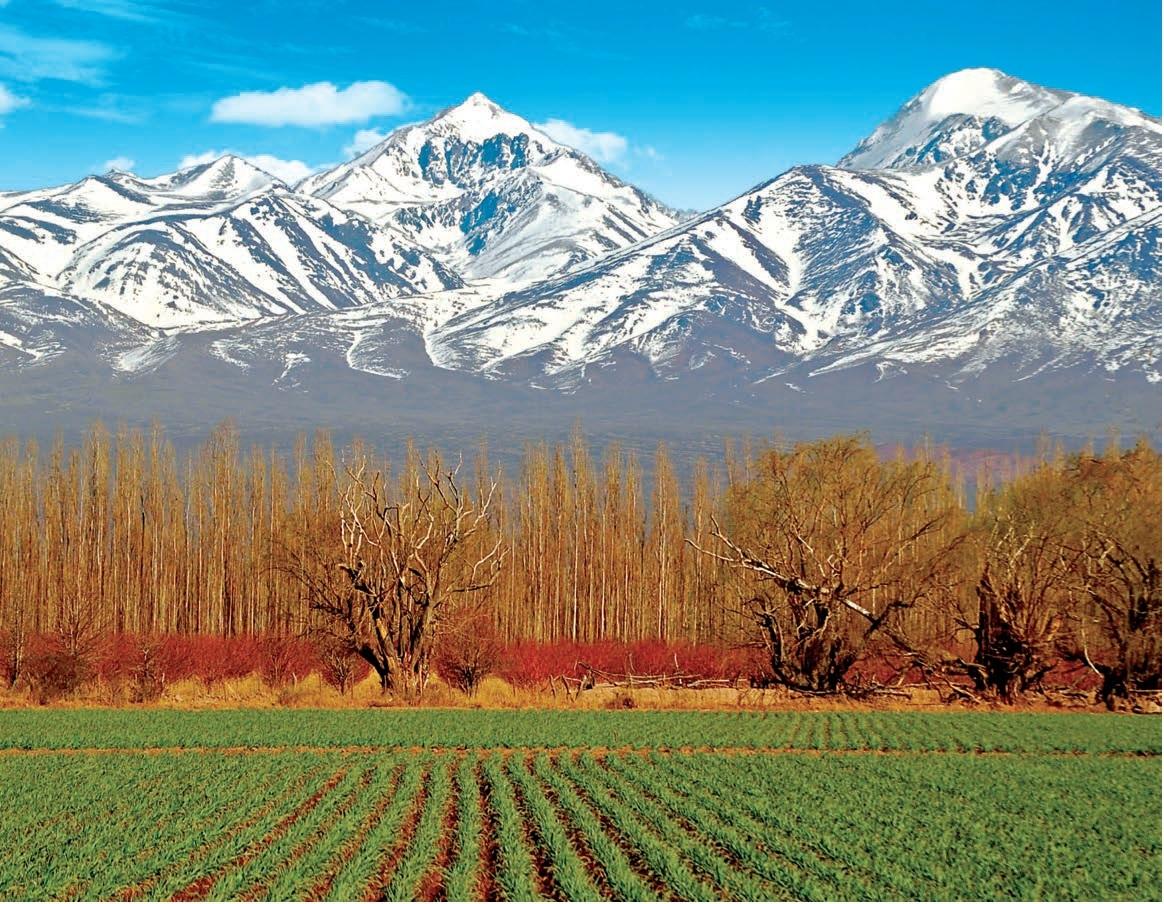
Argentina's official wine-tourism information describes guided visits, vineyard dining and winery stays. Those are different services to request. Specify whether the day needs a tasting, a meal, an overnight stay or a combination, and ask for each agreed arrangement to appear separately.
Our Argentina planning includes Mendoza wine touring with English-speaking guiding. The exact proposal should distinguish private transport from a shared excursion, identify what is included and leave an arrival day realistic. If the flight moves, the question is whether the booked visit can move too, and who checks that with the winery.
A Brazilian-side visit adds a border crossing and a separate park visit to an Argentina itinerary. The DMC needs to match the hotel base, arrival and departure airports, documents and receiving services to that decision.
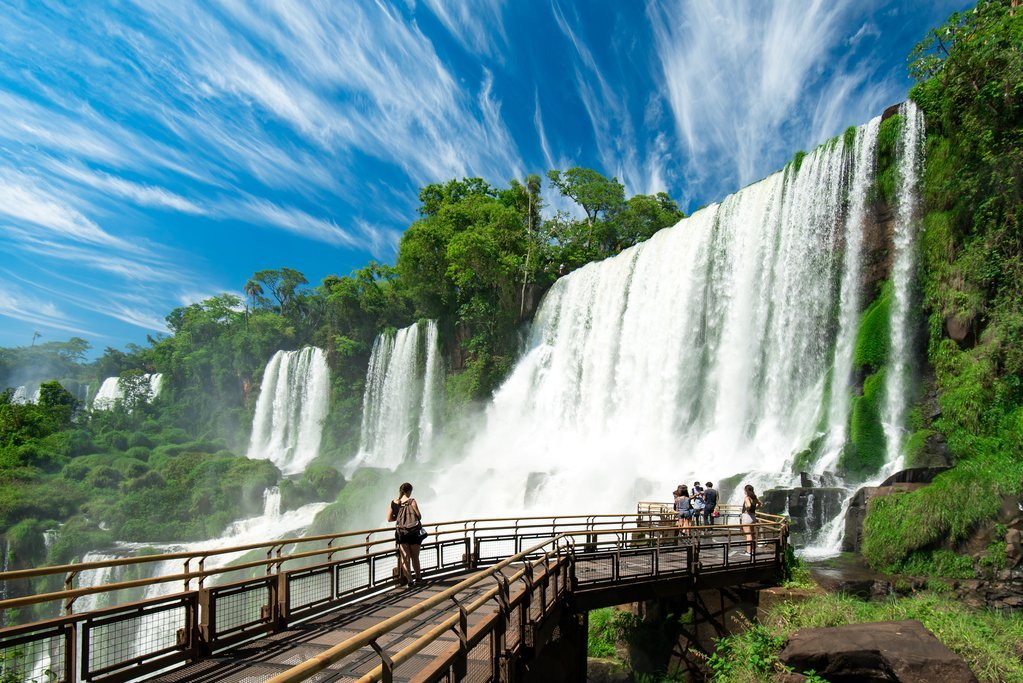
On the Argentine side, Parques Nacionales' visitor information separates access, activities and services. The Iguazú park concessionaire's FAQ also explains that some trails can close temporarily and advises checking circuit status. Name the intended visit, with an alternative if its main circuit is unavailable; do not promise today's access for a future departure.
Brazil's ICMBio park information covers Parque Nacional do Iguaçu separately. Its visitor operating protocol directs visitors to the park's official tourism site for current Cataratas opening arrangements and ticket conditions. A booking on one side does not establish the arrangements on the other.
Check entry requirements for every traveller's passport before adding the crossing. For British citizen passports, the UK government's Brazil entry guidance is a starting point; other nationalities need their own applicable guidance from the Brazilian authorities. Record who checks documents, who provides transport through the crossing and where any guide handover takes place.
One agreed trip contact should hold the complete service record, even when different people deliver each region. The agency should be able to see how a changed flight affects the pickup, hotel arrival and first activity without reconstructing the trip from separate messages.
Ada Tours is based in Rio de Janeiro, with Argentina within our wider Latin America work. Our Argentina itineraries combine Buenos Aires, Iguazú, Mendoza and Bariloche, including regional transfers and guiding. Ask us to set out the services for your route and the person responsible for each connection; the proposal should identify the in-country arrangements as well as your agency contact.
| Handoff | Information to carry forward | Decision to agree |
|---|---|---|
| Buenos Aires to a regional flight | Airport code, flight details, baggage and transfer arrangements | Who updates the receiving team when the flight changes? |
| Regional arrival to an activity | Hotel address, luggage plan and activity meeting point | What moves if the arrival is late? |
| Hotel to a Mendoza wine day | Wine district, appointments, meal and guiding arrangements | Who checks a revised appointment? |
| Argentina to Brazil at Iguazú | Passport requirements, park bookings and receiving contact | Where does responsibility pass between services? |
Leave room in the nights as well as the service record. For a hypothetical 12-night brief, three nights in Buenos Aires, three in Bariloche, three in Mendoza and two at Iguazú use 3 + 3 + 3 + 2 = 11 nights. That leaves one night to consider for the return gateway before the international flight. This is planning arithmetic, not an available itinerary: the flight pattern still determines the order and whether the allocation works.
For a Buenos Aires-only stay, an agency with an established city provider can keep that simpler arrangement. Our regional role is more relevant when several destinations need to be joined. If you are still choosing the operating partner, start with our Argentina DMC selection guide; if the trip continues into another country, see our multi-country DMC guide.
Send the DMC a route with the fixed commitments marked, then ask for the connections to be explained before presenting it to travellers. These five questions turn the proposed journey into a brief that can be checked:
Send us a brief with the dates, proposed flights, overnight bases, group size, language and mobility needs, and the experiences travellers most want to protect. We can then discuss the Argentina route and the ground services it needs.
Ada Tours is based in Rio de Janeiro and plans Argentina itineraries within our wider Latin America portfolio. For your route, ask us to identify the in-country services and who coordinates each regional handoff.
Ada Tours plans Argentina journeys that combine Buenos Aires, Bariloche, Mendoza and Iguazú. The order, flights, guiding and transfers need to be agreed for the dates and experiences in your agency's brief.
Ada Tours does not assume that an Argentina domestic connection requires Aeroparque; we check the airport codes on the booked flights. An EZE arrival and an AEP departure need a ground transfer, while flights using the same airport require a different connection plan.
Ada Tours needs the overnight base, intended wine district and preferred visits to shape a Mendoza brief. Include language, transport, meal and mobility needs so the proposed day identifies the services travellers require.
Ada Tours recommends treating the Brazilian side of Iguazú as a separate border and park arrangement. Match the traveller's passport requirements, hotel base, airports and receiving services before adding the crossing to the proposal.
Ada Tours recommends agreeing who handles ticket changes and who informs the receiving driver, guide and hotel before travel. Record which costs or itinerary changes need the agency's approval so those decisions have an agreed owner.
Public information checked 23 October 2026, with sources linked beside the relevant guidance above.