Your booking cart is empty!
By Anna Avanesova, Founder and CEO
Anna leads Ada Tours, a destination management and inbound travel business serving travel agencies and travellers across Latin America. Our Argentina planning brings airport transfers, regional journeys and guided activities together around the agreed itinerary.
Updated
TLDR Argentina is generally suitable for a planned visit with sensible precautions, but safety varies by route and activity. US and Canadian advice calls for normal precautions nationally; Canada applies higher caution to Greater Buenos Aires and Rosario. Travellers and agencies should check current official advice and agree disruption arrangements before booking.
A reassuring country rating won't tell you whether a roadblock could interrupt your airport transfer. The practical question is how the advice applies to the places you will visit and what happens if the itinerary has to change.
Our advice is to make that check before booking, then repeat it before each regional journey. City precautions, outdoor preparation and a written agreement with your travel provider belong together.
Argentina can be a reasonable choice for a planned holiday, with precautions matched to the route. The three governments below describe risks differently, so read the advice for your own nationality and the regional detail as well as the headline.
| Authority | Current advice and date | What to carry into your planning |
|---|---|---|
| US Department of State | Level 1: exercise normal precautions. Advisory issued 10 July 2026. | Read its cautions about petty crime and crime and violence in Rosario. |
| UK FCDO | Advice current at 23 October 2026; latest update 7 May 2026, concerning hantavirus information. | No trip can be guaranteed safe; research your destinations and insure the itinerary and activities. |
| Government of Canada | Normal security precautions nationally; higher caution in Greater Buenos Aires and Rosario. Updated 14 October 2026. | The Buenos Aires warning covers petty crime and muggings; the Rosario warning concerns drug-related organised crime. |
These are dated assessments, not a forecast for your departure day. Reopen the official pages when you book and shortly before travelling, rather than relying on a saved rating.
If you’ve begun your research already you know that visiting Argentina means soaking up its rich culture, taking in its stunning landscapes, and enjoying its vibrant cities. However, like visiting any country, it is important to be aware of your surroundings and take precautions to minimise any potential risks. Taking a common sense approach to your safety will help to make your holiday an enjoyable one.

The useful city precautions concern belongings, transport and where you walk, rather than a blanket safe or unsafe label for Buenos Aires.
In bigger cities like Buenos Aires petty crime such as pickpocketing can happen, especially in crowded places or tourist hotspots. So keeping an eye on your belongings is a good idea. Whilst many neighbourhoods in major cities are safe, some areas may have higher crime rates. Research neighbourhoods before visiting and consider taking local advice.
The FCDO's safety advice highlights distraction theft, phone snatching, demonstrations and roadblocks that can delay access to Buenos Aires. It advises particular vigilance in La Boca outside the Caminito tourist area and recommends booking taxis ahead where possible.
Canada also warns that strikes can interrupt domestic and international flights. Check the flight with the airline and the road journey with your transfer provider before leaving for the airport; a confirmed ticket does not settle both questions.
Outside the cities, the activity and the day's conditions matter as much as the destination. A short viewpoint stop, a mountain walk and a boat excursion need different preparation.
Argentina is home to diverse landscapes, and certain areas may have natural risks! Plan your adventures before you go, make sure someone knows where you are going and when you will be back. Don’t go alone! Finally a good idea to have travel insurance to cover any health emergencies, especially if engaging in outdoor activities.

Argentina's National Parks visitor guidance explains that wild areas carry risks from terrain, weather, wildlife and plants. Its hiking guidance calls for checking conditions with rangers, using authorised paths, planning for daylight and checking communications and the return time.
Ask which excursion is proposed and how high it goes; a Salta stay does not describe every outing from it. The Los Cardones activity descriptions distinguish short roadside trails from demanding high-mountain routes, with different equipment and experience requirements.
The CDC's altitude guidance stresses gradual acclimatisation and itinerary design. Discuss the route with a travel-health professional, especially where health conditions are relevant, and agree a lower-altitude alternative if the proposed activity is unsuitable.

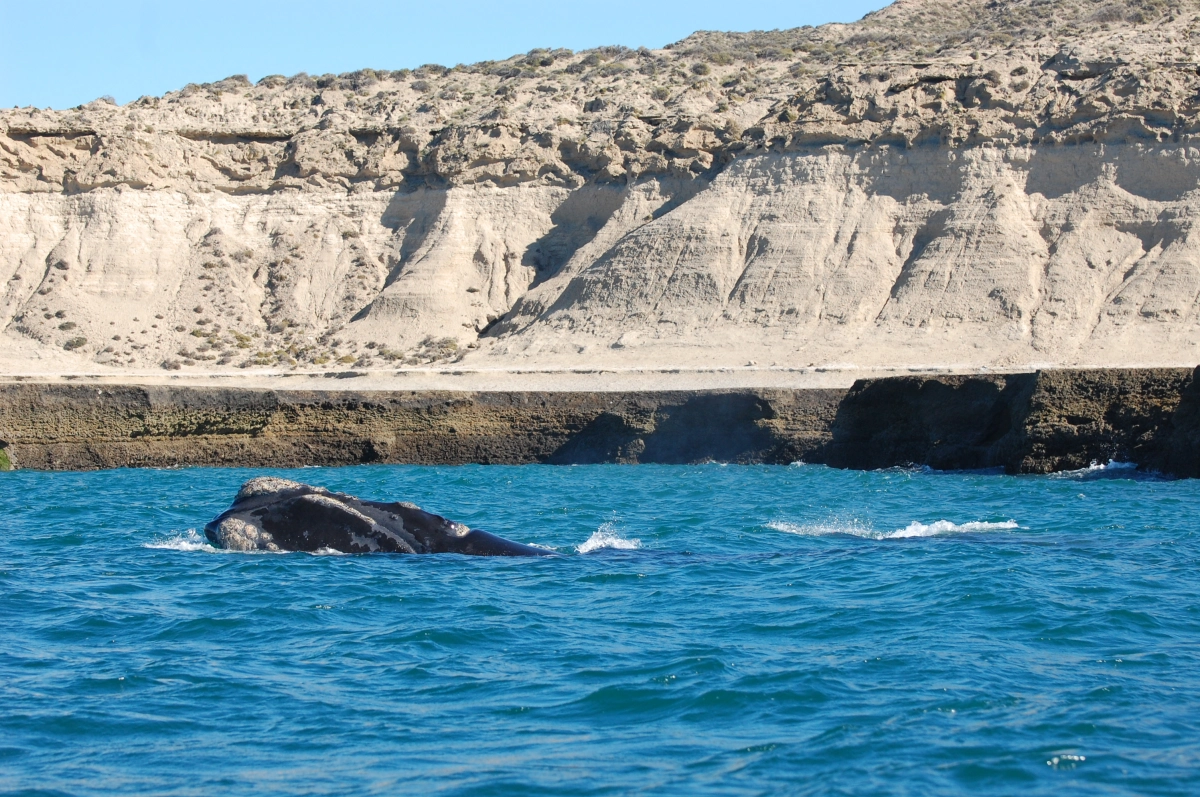
For a wildlife extension near Puerto Madryn, check both the coastal journey and the excursion arrangements. The municipal tourism office distinguishes shore watching at El Doradillo from boat departures at Puerto Pirámides, so the place and type of outing should be clear before you book.
For a boat trip, ask about boarding, life jackets, physical requirements and what happens if conditions prevent sailing. The CDC's Argentina health guidance advises wearing a life jacket and adjusting outdoor plans when conditions become unsafe.
Before visiting a protected area, use the National Parks alerts guidance to check weather, roads and trail conditions with the relevant authorities. Flooding and wildfires are further reasons to review a route close to departure, as the FCDO's safety advice explains; do not treat a published itinerary as permission to enter a closed area.
For a longer southern route, our Argentina and Chile Patagonia planning guide helps separate the regions and activities you want to include. The safety checks still belong to the exact journey.
Travel-health advice and insurance should follow the actual itinerary, including outdoor activities and any remote stops. A general country rating cannot establish whether a particular walk or excursion suits your health.
The FCDO's Argentina health page recommends checking vaccine advice at least eight weeks before travel and ensuring that treatment and unexpected medical evacuation are covered. It also flags altitude illness and hantavirus, so take your planned locations and activities to a qualified travel-health professional rather than choosing precautions from a country headline.
Read the policy wording against the FCDO's insurance checks. Ask the insurer about medical conditions, adventure activities, rescue and evacuation, and exclusions for civil unrest, strikes or natural hazards; a policy's name alone will not answer those questions.
Carry the insurer's assistance number and the agreed travel-provider details. For an emergency, the FCDO's help page lists ambulance services on 107 and police on 911 or 101, and explains when to contact your provider and insurer.
An agency should turn the route assessment into a written agreement about decisions and communication. A destination management company can arrange ground services, but its name on a programme does not establish emergency cover, contact hours or who pays for a change.
Use the same checks whether you work with Ada Tours or another incoming operator. Our Argentina DMC guide for travel agencies sets out the wider partner-selection question; for duty of care, ask for these booking-specific answers:
For example, if a roadblock interrupts the transfer route while the flight is still operating, the written arrangements should identify who checks an alternative route and informs the travellers. If an alternative cannot be confirmed, they should also identify who decides on the next step and approves any extra costs; an attempted shortcut through the blockade is not a solution.
For a cross-border journey, add a handover for each country rather than assuming one contact arrangement covers everything. Our multi-country South America planning guide develops that coordination question; the actual responsibilities still need to be agreed for your booking.
We can help put the route, transfers and guided activities into an Argentina programme, with the service scope agreed before departure. Our planning includes journeys that combine Buenos Aires with regional stays, so the brief should identify every leg rather than just the arrival city.
Following simple safety precautions will enhance your experience in Argentina. Travelling with a tour or group can help to stay informed about local conditions.
Contact Ada tours if you’d like help planning a hassle free trip of a lifetime to beautiful Argentina! Our highly experienced guides and drivers will be with you from the moment you land at the airport until the end of your adventure in Argentina. We will arrange the best experiences Argentina has to offer without the stress!
The guide and driver arrangements must be read with the booked programme: establish the covered days, services and contact hours in writing. Free time and activities outside the agreed itinerary need their own arrangements; medical treatment, rescue and insurance remain separate checks.
If you need a promise of risk-free travel or uninterrupted personal escort, a general itinerary is not enough to establish that service. For a route we can assess together, Send us a brief with dates, destinations, activities and any requirements that affect the journey.
Ada Tours recommends assessing Argentina by the places and activities in your itinerary, with current national advice as the starting point. The US and Canada call for normal precautions nationally as checked on 23 October 2026, while Canada advises higher caution in Greater Buenos Aires and Rosario.
Ada Tours recommends planning transfers and neighbourhood visits carefully, keeping valuables close and avoiding demonstrations. Check the latest official city advice before going out, including the specific cautions for La Boca and busy transport terminals.
Ada Tours cannot guarantee a safe trip or remove the risks of crime, weather, illness or disruption. Agree the booked services and change arrangements in writing, and follow the instructions of local authorities throughout your journey.
Ada Tours recommends a written agreement identifying who monitors local disruption, who informs travellers and who authorises changes. Record the actual contact hours, fallback arrangements, supplier cancellation terms and spending authority for the specific booking.
Ada Tours recommends separate checks for mountain outings near Salta and coastal excursions around Puerto Madryn, because the activities have different requirements. Check altitude and trail suitability for the former, and the boat arrangements, life jackets and current conditions for the latter.
Ada Tours recommends checking medical treatment, evacuation, the planned activities and any exclusions for strikes or natural hazards with your insurer. Disclose relevant health conditions and carry the policy details and emergency assistance number throughout the trip.
Official advice and practical guidance checked on 23 October 2026. Links appear beside the advice they support; check them again before departure.