Your booking cart is empty!
Updated 23 November 2026
TLDR A congress in Buenos Aires usually needs three partners: a professional congress organiser for registration and content, the venue team for the rooms, and a destination management company such as Ada Tours for hotels, transfers, afternoons and late dinners. Fix the hotel cluster first, then a venue a short ride away.
The last session ends at 18:00. The group dinner is booked for 21:30, and the hotel sits across town from the venue. Forty-five delegates now have three and a half hours to fill, two long rides ahead of them and a choice between waiting in a lobby or skipping dinner.
That evening is the real answer to who should arrange a congress in Buenos Aires. A professional congress organiser runs registration, abstracts and the scientific programme, the venue team runs the rooms, and a destination management company runs everything outside them. In our experience, the hours outside the sessions break a Buenos Aires congress more often than the venue does. So we start with where the delegates sleep, put the venue a short ride from it, and then plan arrivals, afternoons and dinners around that choice.
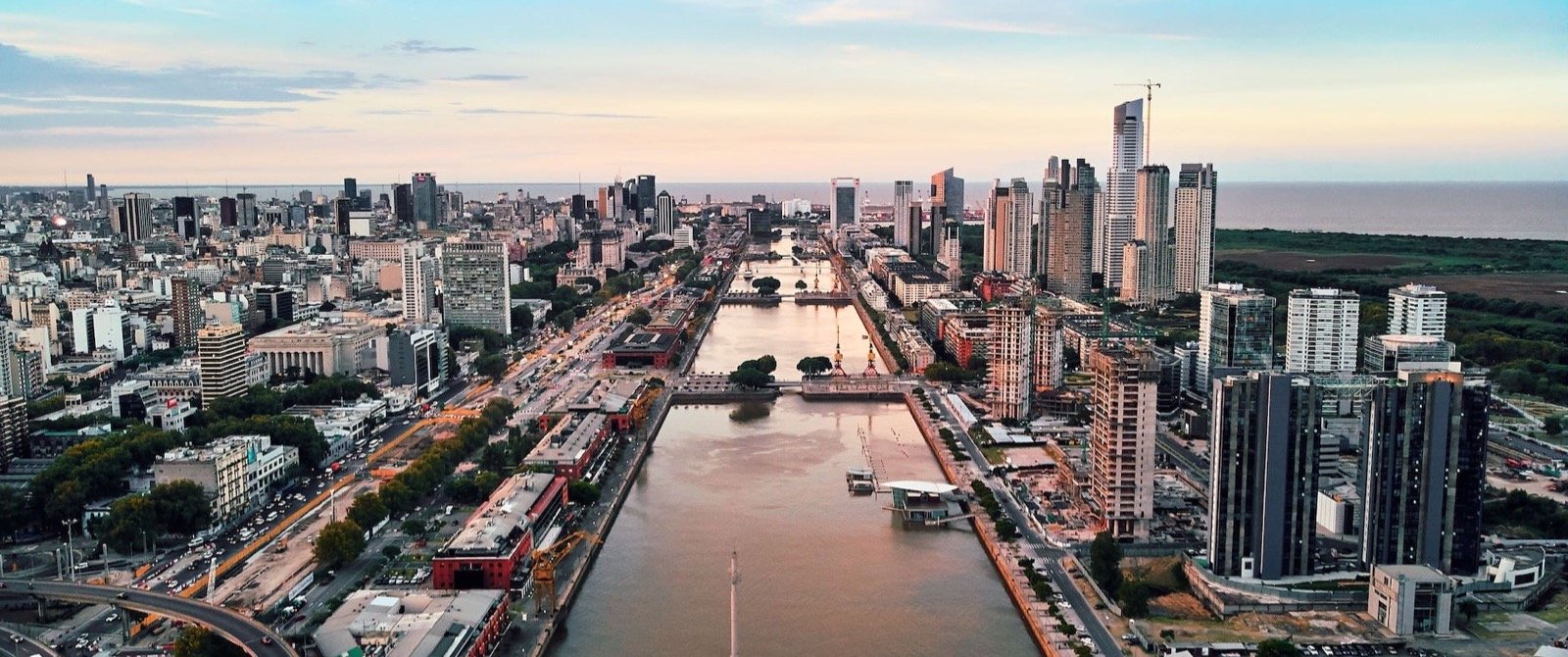
Planning a congress for 40 to 60 delegates in Buenos Aires? Send us a brief with your dates and session hours, and we will propose a hotel cluster, arrival transfers and an evening plan that fit them.
Choose the hotels first, because a congress of 40 to 60 delegates spends more of each day moving between rooms than sitting in sessions. The venue holds people for a few hours; the hotel decides how every day starts and how late it ends. So whoever sources the venue in Buenos Aires, whether a PCO, the venue's sales team or a DMC, should source the hotel block in the same brief.
Buenos Aires gives you plenty of venues to choose from. In 2025 the city hosted 91 qualifying international association meetings, more than any other city in the Americas for the 15th consecutive edition. Those figures come from the city tourism authority's ICCA 2025 report for Buenos Aires, published in May 2026 from International Congress and Convention Association data. That supply cuts both ways: a planner can find a good room almost anywhere and only later discover that the hotel block is somewhere else.
The city's own figures also show where congresses of this size actually happen. The tourism observatory's October 2026 report on meetings and events found that hotels and universities were the most used venues for congresses and conventions in the first nine months of 2026. It also recorded September as the busiest month, with 166 events, which is the month when a late hotel search hurts most.
There is a fair counter-case. If the association has already fixed the venue, or the venue has a hotel on site, the venue comes first and the hotel search narrows to what is close to it. Everything else in this plan still applies; only the first decision changes.
Plan arrival day around two airports, because the airport on each delegate's ticket sets the length of the first transfer, which is the first job a destination management company does for a Buenos Aires congress. Ezeiza is the country's main international gateway outside the city, while Aeroparque sits inside it and mostly handles domestic flights and some flights from neighbouring countries.
| Airport | Published distance or time | Planning effect |
|---|---|---|
| Ezeiza (EZE) | Just over 30 km from downtown; 45 minutes to an hour by car, up to 90 minutes in heavy traffic or rain | Allow a full transfer window before any arrival event |
| Aeroparque (AEP) | Inside the city; about 25 minutes from the main hotels | Domestic and some regional flights, useful for a pre or post tour |
The national tourism board's guide to Ezeiza transfers, dated September 2026, gives the Ezeiza times, and the city's Visit Buenos Aires arrival page describes Aeroparque and the shuttle service that links the two airports. The Latin America Travel Desk's guide to choosing an Argentina DMC makes the same practical point. Write the airport code into the quote and into each traveller's itinerary, and ask who acts if an incoming flight runs late.
We suggest overseas arrivals the day before the first session, with delegates grouped into a few transfer waves by airport and landing time, and a separate plan for late flights. A welcome drink at the hotel works on that first evening because nobody has to cross town for it.
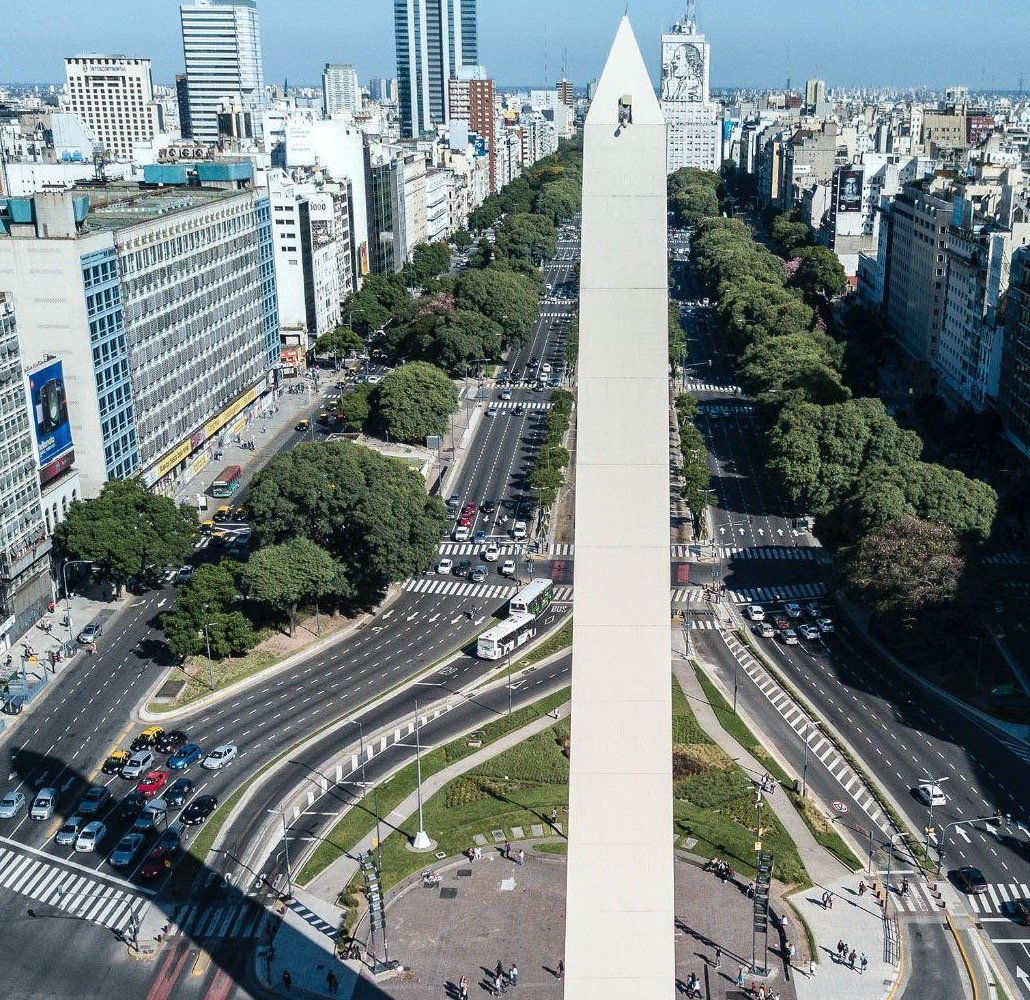
Ask your DMC to propose one hotel cluster in Buenos Aires that passes three tests: a workable arrival transfer, sessions within a walk or a short ride, and restaurants close enough for a late dinner. A cheaper block that fails the third test costs more in vehicles and lost sleep than it saves on rooms.
Keep the whole group in one hotel, or two hotels on the same block, wherever room supply allows. Splitting delegates across districts doubles every pick-up, splits the welcome reception and leaves the coordinator in two places at once. For a group that will also travel beyond the city, the same logic applies to the rooming and luggage plan for private groups in Argentina.
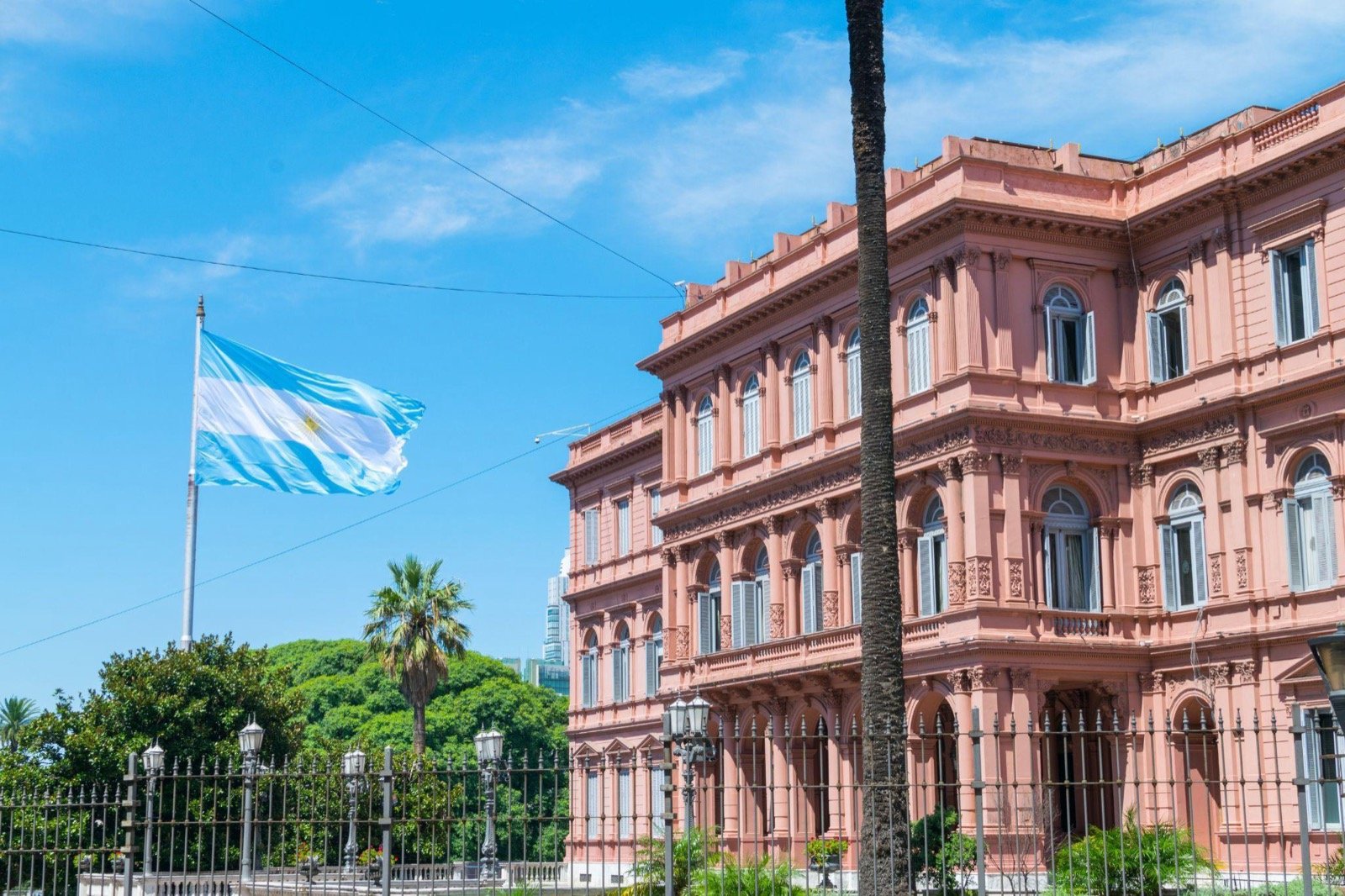
Once the hotels are fixed, the venue only has to hold your group well and sit close to it. For many congresses of 40 to 60 delegates, the hotel's own meeting rooms do that job. For a group of 45 we can hold the sessions in hotel meeting rooms, with coffee breaks and a welcome reception on site, so nobody needs a morning transfer.
The city's large venues are built for much bigger events. The Buenos Aires Convention Centre, between the University of Buenos Aires law faculty and Parque Thays, has 18,000 square metres of exhibition space and room for around 5,000 people, according to the city. La Rural combines pavilions, outdoor space and its own convention centre, and its calendar already lists a professional fair for March 2027. Either can host a congress, but a group of 45 needs to know which room it will use and which other event shares the building that week.
Whatever the venue, check the room plan for your seated delegate count, audiovisual support, coffee break timing, step-free access from the drop-off to the room, and whether you need simultaneous interpretation or printed materials. Those details decide whether the venue fits the hotel plan or quietly adds another transfer.
Treat the afternoon and the dinner hour as programme time that your DMC plans, because when the sessions fill the morning, the rest of the day in Buenos Aires is yours to design. We can build the afternoons around a half-day city tour of about four hours or a boat trip through the Tigre Delta, with a group dinner and its transfers each night, matched to your brief.
Then set dinner around local habits, which are shifting. Buenos Aires has a long reputation for late dinners, yet in September 2025 Cadena 3 reported one Villa Crespo restaurant with 70% of its reservations at 19:30. Time Out Buenos Aires described the same move towards earlier dinners in 2025, noting that the parrilla La Cabrera now starts dinner service at 18:00. An early seating is possible; you simply have to book it.
A worked example shows what the hotel choice does to the evening. Take the opening scene: sessions end at 18:00 and dinner runs from 21:30 to 23:30. The ride times are our illustrative assumptions, not measured journeys.
The difference is 65 minutes of rest and half an hour of sleep, every night of the congress. If the hotel cannot move, our planning default is a 20:00 seating close to it instead; tell delegates why.
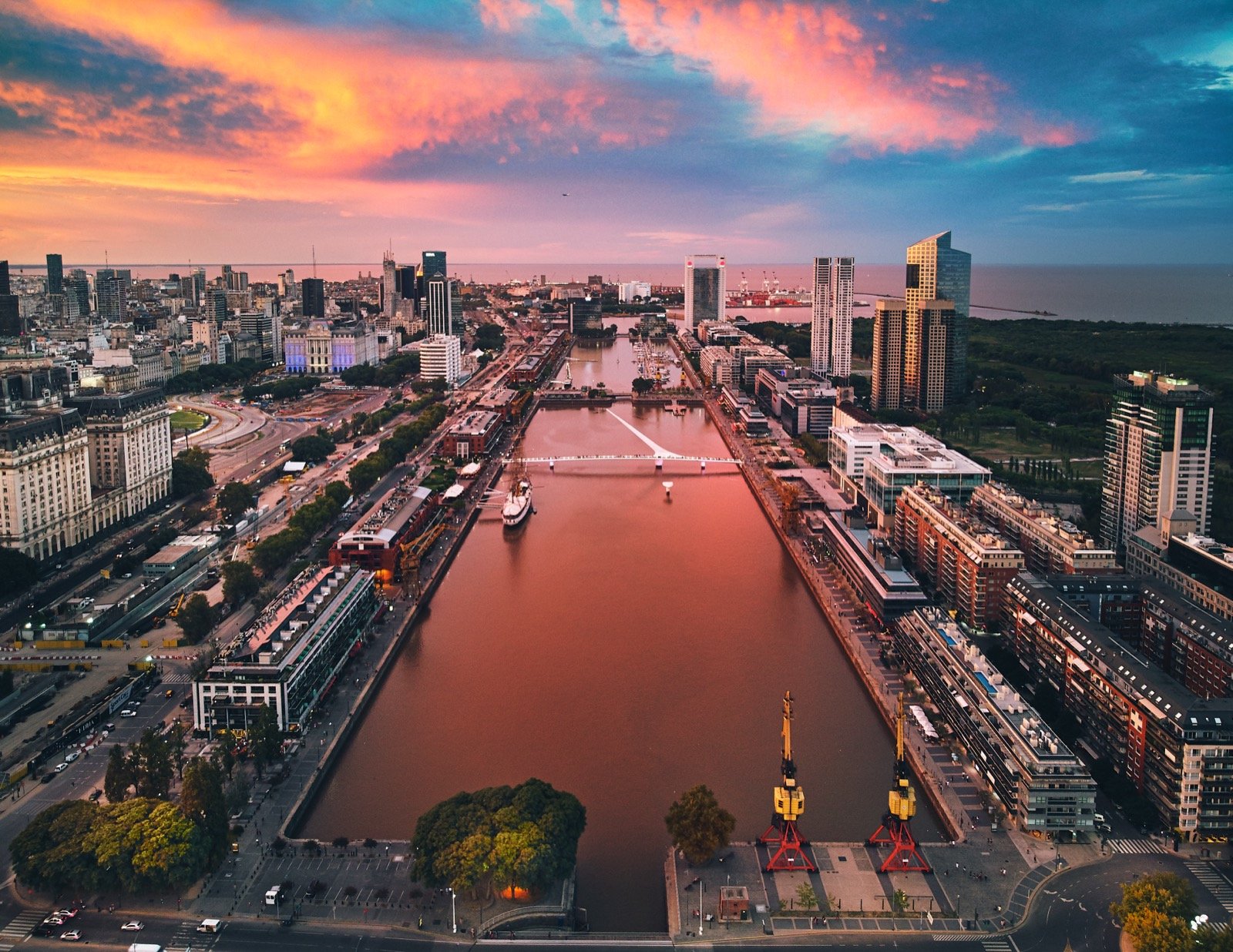
Hire for the job, not the label: a professional congress organiser (PCO) for the congress itself, the venue team for the rooms, and a destination management company (DMC) for the delegates' time outside them. Many congresses use two of these, and the best results come when each knows where its duties stop.
| Option | Best suited to | Choose it when |
|---|---|---|
| Ada Tours | Hotels, transfers, afternoons, dinners and an on-the-ground coordinator | You want one partner for the congress and a programme in Brazil or Argentina around it |
| Local PCO | Registration, abstracts, scientific programme and sponsors | An association congress needs its content and delegates managed |
| Venue in-house team | Rooms, staging, catering inside the building | The venue is fixed and the programme stays within it |
| Buenos Aires event company | Venue search, audiovisual, staging and interpretation in the city | The technical event matters most and nobody travels beyond the city |
A local PCO is the right call when the job is the congress itself. MET Group, for example, describes more than 25 years organising national and international congresses for the pharmaceutical industry and medical societies. It has offices or representation in the United States and Europe and lists its Argentine travel agency registration on its site. For a wider search, IAPCO runs a member directory and describes itself as the only international accreditation organisation for professional conference organisers. In Argentina, AOCA brings together the country's congress and event organisers, suppliers and convention bureaus.
A venue's own team suits a congress that never leaves the building; La Rural, for instance, offers its own event professionals to advise on the whole event. A Buenos Aires event company suits a technically demanding meeting. Canteros Eventos, based in Núñez, describes more than a decade of corporate and MICE events. It works with its own audiovisual equipment, streaming and simultaneous interpretation, plus a network of hotels and venues in the city. None of the three publishes prices on its home page, so each quote has to be compared against the same brief.
Choose Ada Tours when the delegates' days matter as much as the sessions, and especially when the congress is one part of a longer journey. We arrange hotels, VIP cars, vans and buses, guides, coffee breaks, printed material, meeting coordination and welcome and farewell dinners to each brief, and we can place an on-the-ground coordinator with the group. Because we plan programmes in both Brazil and Argentina, an agency can add a pre or post tour in Rio de Janeiro, elsewhere in Brazil or further into Argentina through the same partner. We can deliver it under the agency's own brand or ours. If your association needs registration, abstracts and a scientific committee, appoint a PCO for that work and brief us on the hours around it. If your congress never leaves its venue, the venue team and a local event company may be all you need. Our Buenos Aires DMC guide for travel agencies covers the wider operator choice, and our Rio de Janeiro congress guide applies the same thinking to a Brazil leg.
Name one decision-maker before arrival, because plans slip and someone must move vehicles and dinner tables quickly. That person, usually on the organiser's or the PCO's side, approves changes; the DMC's ground coordinator in Buenos Aires carries them out.
Agree in advance what the coordinator may change alone, such as moving a transfer wave for a delayed flight, and what needs approval, such as cancelling a dinner or adding a vehicle. Give both people each other's mobile numbers and the hotel contact before the first delegate lands, and make sure the PCO, if there is one, knows the same rule.
Ask your ground partner, the DMC or PCO running the Buenos Aires programme, to confirm in writing every item you cannot see from abroad. A verbal assurance about a room or a restaurant is not a plan.
Entry rules belong on the list too, and they depend on passport and purpose. The UK government's Argentina entry page says British citizens can visit for tourism for up to 90 days without a visa and should ask the Argentine consulate about any other purpose. Canada's Argentina travel advice, updated in October 2026, lists neither a tourist nor a business visa as required. The Argentine consulate in Houston says US citizens do not need a visa to enter as tourists for up to three months. Ask each delegate to check the rule for their own passport and the purpose of their trip.
Before you ask a Buenos Aires DMC or PCO for a proposal, send one page that answers the questions above; the same page lets you compare their proposals like for like. It should state:
If you have briefed a congress in Brazil before, our guide to briefing a DMC for a congress or incentive uses the same discipline. Our guide to choosing a DMC for a Brazil or Argentina incentive helps when the congress grows into a wider trip.
Ready to plan the hours around the sessions? Send us a brief with your one page, and Ada Tours will come back with the hotel cluster, transfer waves and evening plan for your congress in Buenos Aires, plus any Brazil or Argentina extension you want around it.
Ada Tours plans and coordinates congress ground programmes in Buenos Aires from our base in Rio de Janeiro, covering hotels, transfers, guides, meeting coordination and group dinners. We aim to confirm the rooms, timings and suppliers for your exact dates in writing before you commit delegates, and we can place an on-the-ground coordinator with the group.
Ada Tours focuses on the delegates' time outside the sessions of a Buenos Aires congress, so registration platforms, fee collection and abstract handling need a separately agreed owner. If your association needs them, appoint a professional congress organiser in Buenos Aires for that work and brief us on the hotels, transfers and evenings around it.
Ada Tours plans programmes in both Brazil and Argentina, so we can add a stay in Rio de Janeiro or elsewhere in Brazil before or after a Buenos Aires congress. Each extension needs its own flights, hotel nights and transfers, so we plan it outside the congress timetable and record which airport each delegate uses.
Ada Tours can deliver a Buenos Aires congress ground programme under your agency's brand or under ours, whichever you prefer. Commercial terms are agreed for each programme, so state the branding you need in the first brief.
Ada Tours arranges congress group dinners in Buenos Aires with their transfers, suggests a start between 20:00 and 21:30 as a planning default, and sets the exact time once the hotel cluster is fixed, because the right hour depends on how far the restaurant is from the hotel. Buenos Aires is known for late dinners, but some restaurants now report early seatings around 19:30 filling first, so an early seating near the hotel suits a group with a morning session the next day.
Ada Tours advises that whoever sources a Buenos Aires congress venue, a PCO or a DMC, should secure the hotel block and meeting rooms first for a September date, because September was the busiest month for meetings and events in the city in the first nine months of 2026, with 166 events. Hotels and universities were the most used venues for congresses in that period, so a late search competes with other events for the same rooms.