Your booking cart is empty!
A Brazil congress or incentive trip usually begins with an attractive idea: a few days in Rio de Janeiro, a meeting programme, perhaps Iguaçu Falls or a coastal extension, then a strong closing event. The operational brief has a different job. It must tell a destination-management company what cannot move, what can change and who is affected when the timetable does.
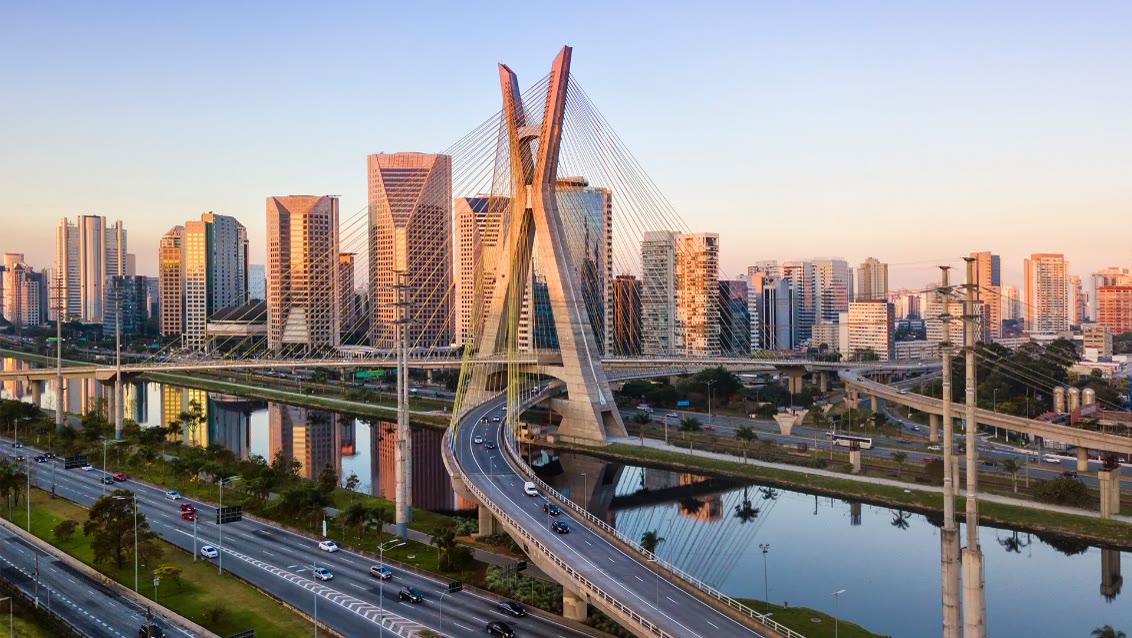
At Ada Tours, we build Brazil and wider Latin America programmes for travel professionals and private groups. For a congress, delegation or incentive movement, the useful first step is not to request a generic MICE package. It is to give the local team a decision-ready brief: dates, group profile, meeting purpose, arrival pattern, accommodation standard, movement constraints, languages, accessibility needs and the approvals that govern each choice.
That distinction matters because a good-looking programme can still be weak at its joins. A meeting room may suit the agenda but not the arrival schedule. A dinner may be memorable but too far from the next morning’s session. A regional extension may make sense on a map while creating a transfer day that the group cannot realistically absorb.
Separate your brief into three columns: fixed decisions, preferred choices and open questions. Fixed decisions are the things the DMC must design around: congress dates, confirmed city, delegate count range, arrival and departure windows, budget authority and contractual deadline. Preferred choices describe the desired experience without pretending they are already confirmed: a welcome reception, an incentive element, a private dinner, a cultural activity or a second destination. Open questions are the items the local team should test and return with options.
| Brief section | What to give the DMC | What a usable answer should show |
|---|---|---|
| Dates and group | Congress dates, expected range, rooming assumptions and arrival waves | Which services need to be held, where timing is tight and what depends on final numbers |
| Meeting programme | Session timing, room setup needs, breaks, technical requirements and hosted moments | A day plan that protects meeting time rather than adding excursions around it |
| Movement | Airports, likely flight patterns, luggage or equipment needs and connection tolerance | Meeting points, transfer logic, contingency points and who owns each handoff |
| Experience design | The purpose of the incentive: recognition, relationship-building, learning or celebration | Experiences that fit the group’s energy, time and location rather than a generic checklist |
| Duty of care | Accessibility, dietary, medical, safeguarding and language requirements | Questions still requiring individual confirmation and a clear escalation route |
Congress days need protection. The agenda, delegate energy, coffee-break rhythm, room changes and transport to evening activity must all be treated as one operating sequence. An incentive day has more room for discovery, but it still needs a clear beginning, a sensible movement plan and enough recovery time before the next commitment.
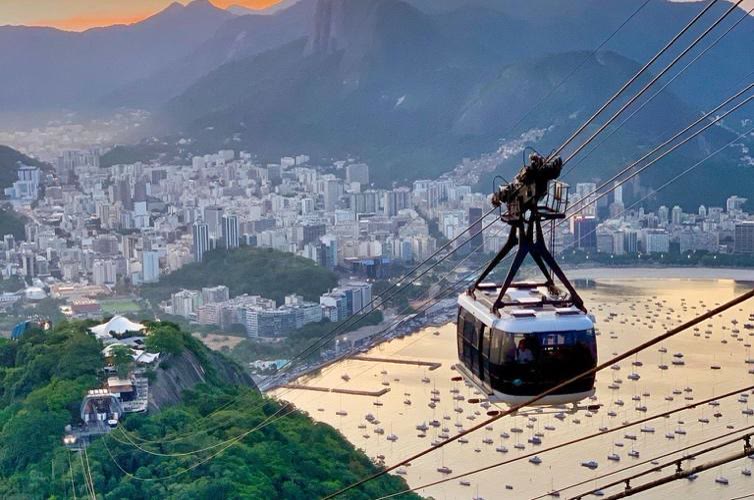
Across hundreds of trips, Ada Tours has learned that congress and incentive programmes need different operating rhythms. In Rio de Janeiro and São Paulo, congress planning has to align arrival transfers, room setup, coffee breaks, morning sessions, hosted meals and movement into afternoon or evening activities. An incentive extension to Iguaçu adds domestic flights and airport handoffs, while a coastal route through Angra dos Reis and Paraty introduces longer road sectors, luggage movement and boat-dependent activities. We build the protected meeting schedule first, then fit destination experiences around it, so the programme works as one operation rather than an incentive itinerary with a meeting room inserted into the middle.
Ask the DMC to label every block as protected business time, operational movement, hosted group time or optional personal time. If an activity needs a hard departure, a meal, a guide, a boat, tickets or a long road transfer, it belongs in the operational plan rather than being described only as an attractive idea.
Give the local team more than nationality and headcount. Explain whether delegates are colleagues, hosted clients, association members, partners or mixed groups; whether spouses or families are travelling; whether the trip is a reward, an annual meeting, a product launch or a delegation; and how much personal choice the programme should allow.
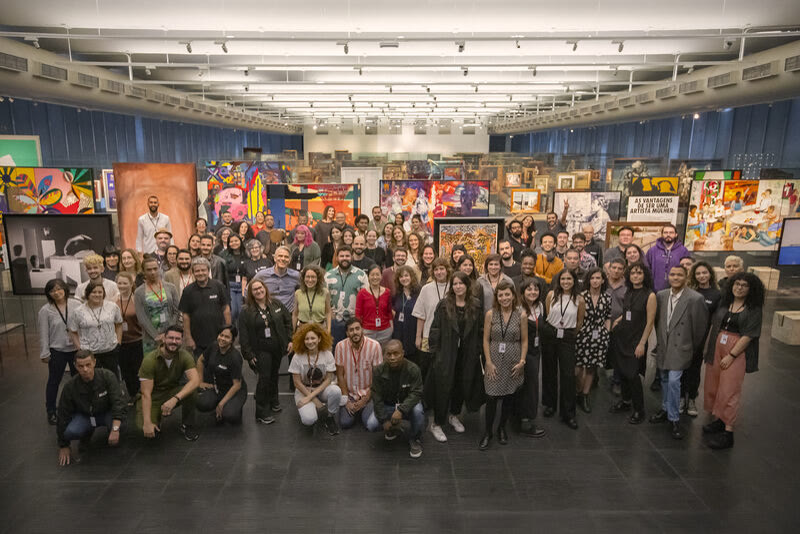
This helps prevent the most common design error: treating every group as if it wants the same kind of evening, sightseeing pace or shared activity. A recognition trip may need a small number of genuinely well-produced hosted moments and ample personal time. A congress extension may need a simpler programme that keeps luggage, transfers and departure logistics under control. A delegation may need protocol, privacy or access requirements clarified before any activity is promised.
We do not assume those details. The brief should state what is known, what is confidential and what needs approval. Named government, corporate, VIP or delegation relationships remain confidential unless the organiser has expressly authorised their use.
Do not compare only the headline price, hotel names or number of inclusions. Put each proposal against the same operating checklist. Does it state where the group is met? Does it show the movement between the congress, hotel and hosted events? Does it distinguish confirmed inclusions from options? Does it identify the decisions that need final delegate numbers, supplier confirmation or client approval?
A strong proposal will also show its assumptions. It will not imply that a room, guide, flight, restaurant, vehicle, private venue or experience is available until the relevant dates and requirements have been checked. If an answer looks unusually simple, ask which operational details have been left outside the scope.
We begin by separating the group’s non-negotiables from the elements worth exploring. Then we map the meeting rhythm, arrivals, departures and regional movement before designing hosted moments around them. A Brazil programme can combine cities, falls, coast, rainforest or a wider Latin America extension, but the exact sequence must be built for the group’s dates, energy and operating requirements.
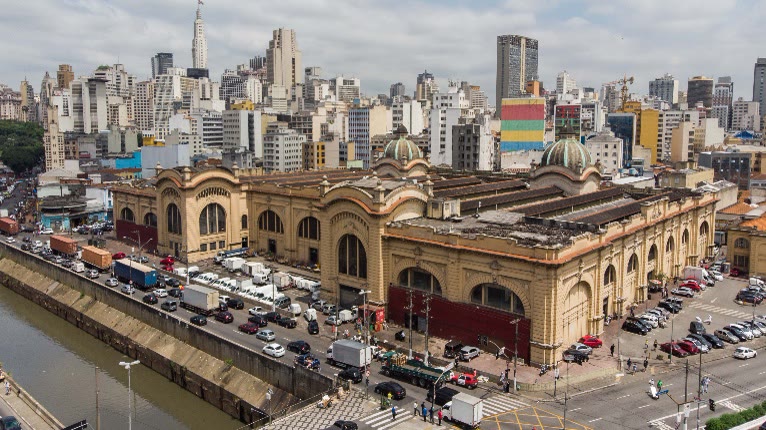
Send us the congress dates, city, estimated delegate range, arrival pattern, programme purpose, preferred pace, language needs, accessibility considerations and decision deadline. We will return a structured proposal that identifies what is confirmed, what needs supplier checking and where a choice is still required.
Brief your Brazil congress or incentive programme with us.
Ada Tours builds the protected meeting schedule and delegate movements before adding hosted dinners or destination experiences. We then confirm the exact scope in writing because every service depends on the dates, group profile and current supplier availability.
Ada Tours recommends an extension only when it fits the group’s available time, flight pattern, energy and tolerance for additional movement. We test whether the destination adds enough value to justify the extra transfer, luggage and scheduling requirements.
Ada Tours can prepare an initial proposal from a realistic planning range without final delegate names. We then set the deadlines for names, rooming, dietary and accessibility information according to when each service must be confirmed.
Ada Tours maps each arrival, hotel transfer, venue movement and evening departure around the protected session times. We also identify luggage, guide, vehicle and contingency requirements so a transport handoff does not disrupt the programme.
Ada Tours selects an experience by the group’s purpose, physical comfort, available time, location and next commitment. We favour the option that works cleanly with the meeting rhythm and delegate profile rather than simply choosing the most elaborate activity.
Ada Tours confirms the core dates, accommodation, transfer plan, meeting arrangements, inclusions and terms that affect the attendee experience. We keep options, reconfirmation items and personal-choice activities clearly labelled until they are secured.