Your booking cart is empty!
Brazil rarely gives a one-line answer to "why visit." It is one country large enough to hold Amazon rainforest, open wetland, colonial gold-rush towns, two of South America's biggest cities and a scatter of Atlantic islands; Ada Tours can discuss the routes, transfers and guiding that might connect the chosen stops in an agreed trip. Its diversity runs from vibrant city life and historical exploration to outdoor adventure and quiet relaxation in stunning natural settings, so the honest starting point is matching the traveller to the right slice of it.
At Ada Tours, we build routes around Brazil's range: golden-sand city beaches, UNESCO-listed colonial towns, a wetland known for jaguars and capybaras, a rainforest gateway city and Atlantic islands. Our Brazil travel guide offers more route ideas. From the urban energy of Rio de Janeiro and São Paulo to the mountains, gorges and coastline of its national parks, Brazil gives beach-first, wildlife-first and history-first travellers different ways to shape a trip.
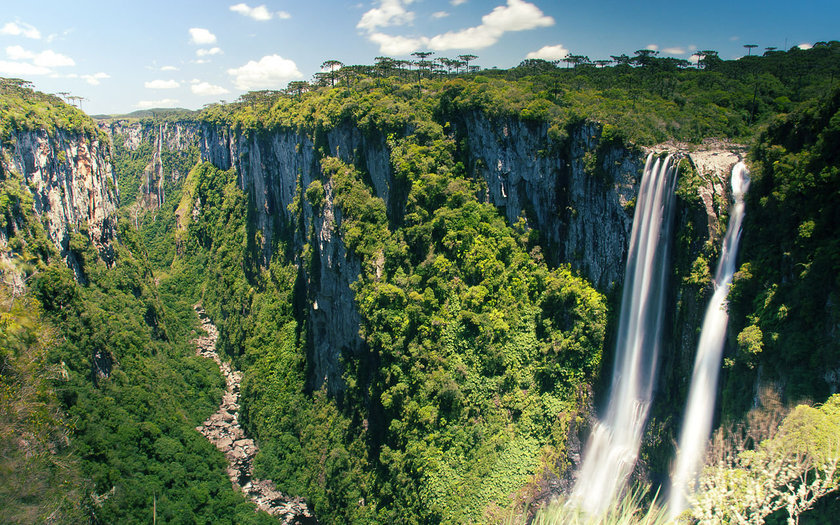
The table below sets out regions to consider, what each is good for, and the timing conditions to check before booking; its dated Ministry of Tourism windows are planning leads, not current forecasts. See our full guide to the best places to travel in Brazil for more detail.
| Region | Best for | Timing to check before booking |
|---|---|---|
| Rio de Janeiro | Beaches, Christ the Redeemer, Sugarloaf Mountain, nightlife | Beach-season demand, weather and bookings for your dates |
| São Paulo | Food, arts and nightlife in Brazil's largest city | City event calendar and weather for your dates |
| Iguazu Falls | The falls themselves and short guided excursions | Current water levels, park access and border-day plans |
| Salvador and Chapada Diamantina (Bahia) | Afro-Brazilian culture, colonial streets, waterfall hiking | Check local weather and trail conditions for your dates |
| Recife and Olinda (Pernambuco) | Colonial streets, waterways, local culture | Rain, heat and cultural-event dates |
| Ouro Preto (Minas Gerais) | Baroque churches and gold-rush history | Highland temperatures and walking conditions |
| Brasília | Modernist architecture and city planning | Dry-season weather and city-event dates |
| Manaus and the Amazon | Rainforest wildlife, river travel, eco-lodges | 2015 Ministry guidance suggests July to September for shorter rain around Manaus; check current conditions |
| Pantanal and Bonito | Jaguars, capybaras, caimans, crystal-clear rivers | 2015 Ministry guidance suggests May to September for the Pantanal; confirm regional access and Bonito activities separately |
| Florianópolis (Santa Catarina) | Beaches and water sports | Beach demand, sea conditions and water-sport availability |
| Fernando de Noronha | Diving, marine life, coral reefs | 2015 Ministry guidance suggests August to November for diving; check current sea conditions and access |
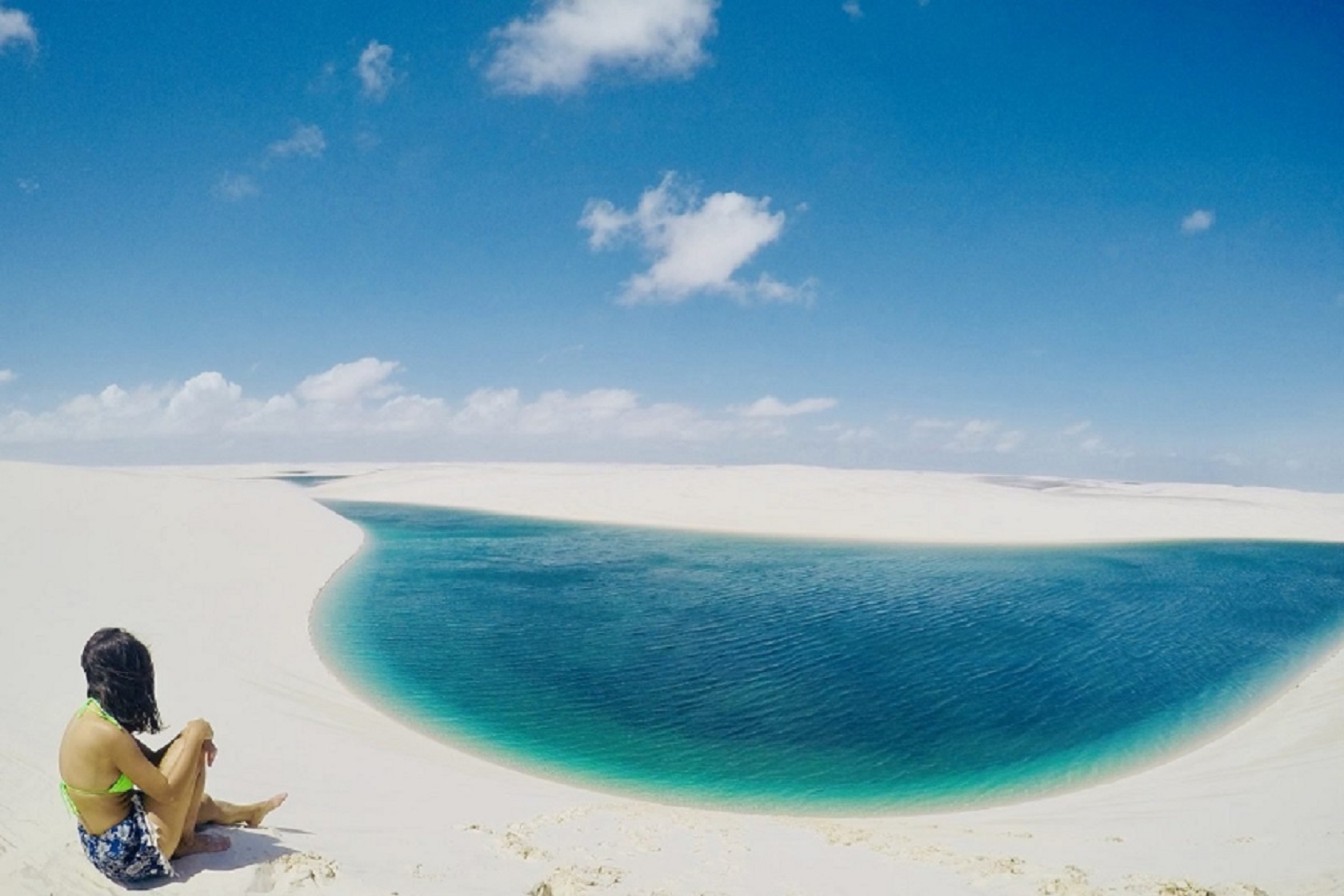
| Lençóis Maranhenses (Maranhão) | Sand dunes with seasonal lagoons | 2015 Ministry guidance suggests May to early October for lagoons; check actual water levels |
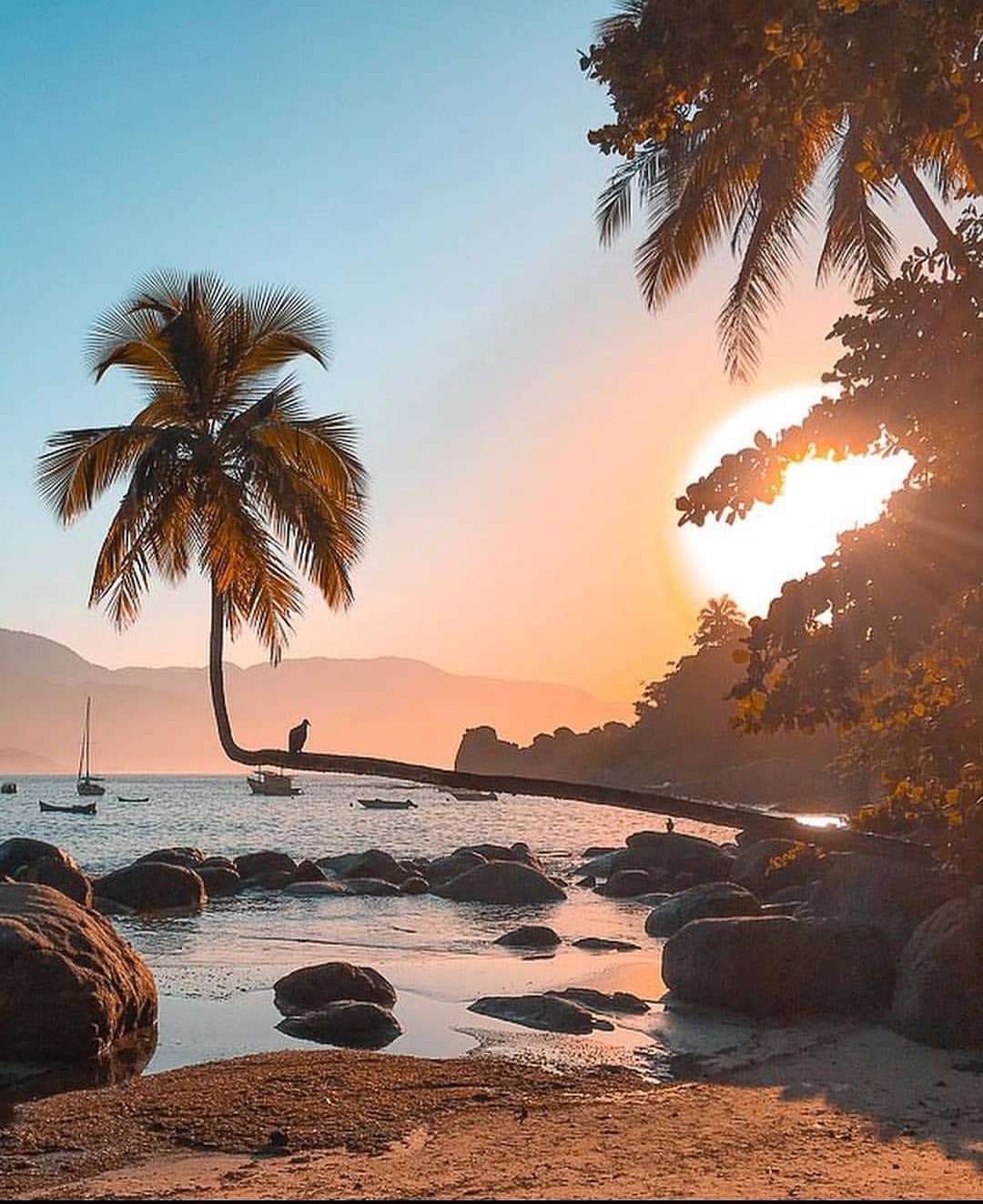
| Paraty | Colonial coastal town, beach and island access | Rain, sea and island-trip conditions for your dates |
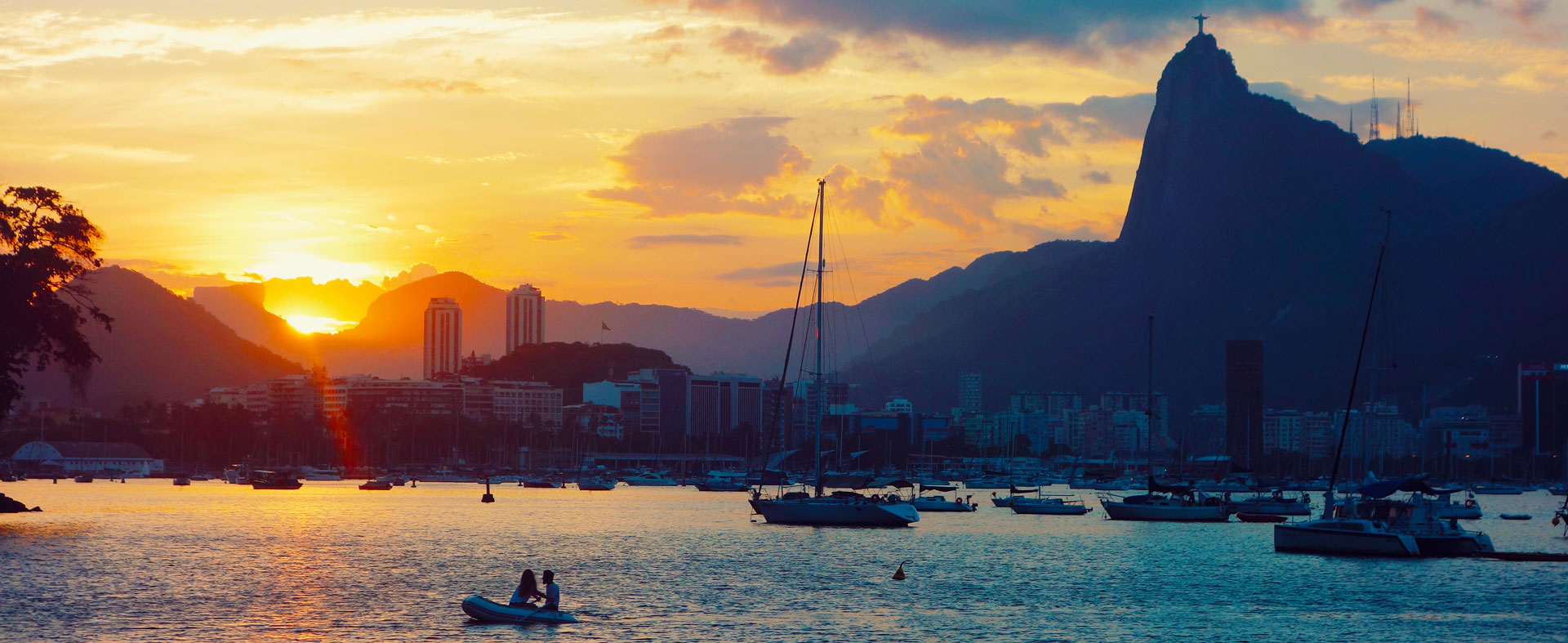
Rio de Janeiro, the "Marvellous City," can suit a traveller who wants beaches, landmark viewpoints and city energy, but it need not anchor every Brazil trip. Built on golden-sand beaches, the city's urban sprawl runs straight into the lush green forest of Tijuca National Park. A train can take visitors to Christ the Redeemer, while anyone considering the Corcovado walking trail should note that the FCDO says tourists have reported armed robberies there and check current local guidance before setting out; a cable car takes visitors up Sugarloaf Mountain for panoramic views over the bay. The days in between can be for Copacabana and Ipanema: beach tennis or beach volleyball, surfing, stand-up paddleboarding, swimming, or simply a cadeira and an umbrella with a coconut water or a Caipirinha in hand.
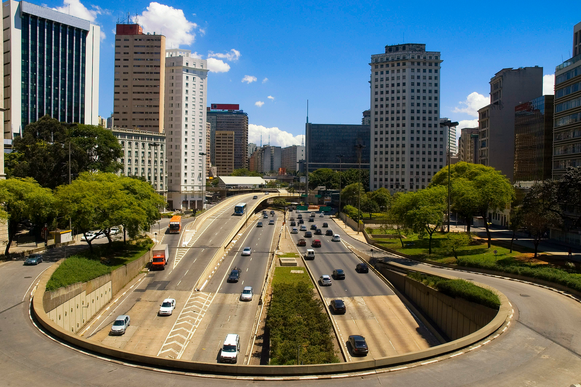
As Brazil's largest city, São Paulo works as a different kind of anchor: a cultural and financial hub with a lively arts scene, a bustling nightlife and a diverse culinary scene. A short São Paulo stay can complement a Rio-led itinerary so a traveller sees both a beach city and a working city; our guided excursions page offers route ideas.
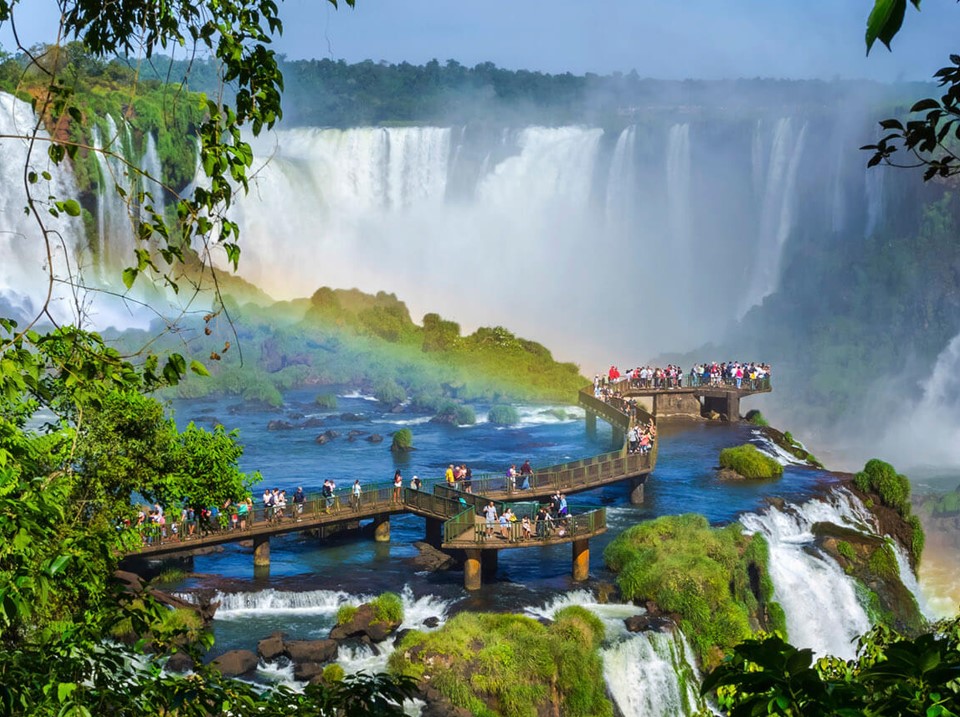
Iguazu Falls straddle the border between Brazil and Argentina and form one of the world's largest and most powerful waterfall systems. The Brazilian side lies in UNESCO-listed Iguaçu National Park; Argentina's neighbouring Iguazú National Park has its own separate UNESCO inscription. Walkways on the Brazilian side lead toward the "Devil's Throat" viewpoint, and a boat ride can take you close enough to feel the spray and the force of the water.
Salvador has a rich Afro-Brazilian culture, with beautifully preserved colonial architecture centred on the Pelourinho district. Wandering its streets means colourful churches, a vibrant cultural scene and traditional Bahian cuisine and music at almost every turn.

Ouro Preto, a historic town in the state of Minas Gerais, was designated a UNESCO World Heritage Site in 1980. Founded in the late 17th century, it became the focal point of the Brazilian gold rush in the 18th century, and the wealth and importance of that period still show in its opulent churches, public buildings and homes, considered among the best-preserved examples of 18th-century colonial architecture anywhere in the world.
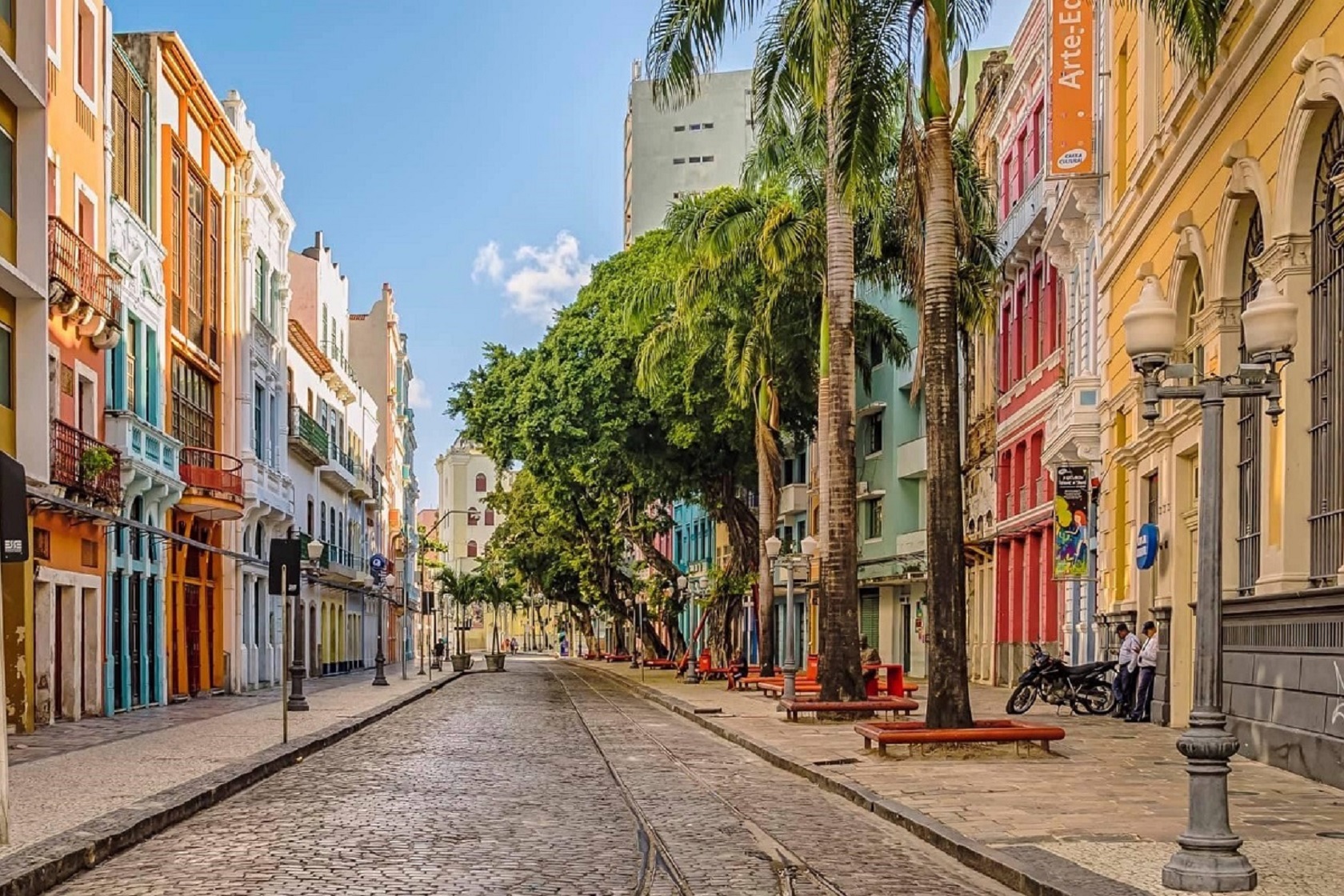
Recife is known as the "Venice of Brazil" for its waterways and bridges, and works as a bustling, historic city with modern attractions of its own. A few kilometres away, Olinda's historic centre has been UNESCO-listed since 1982 and is known for colourful houses, baroque churches and a lively cultural scene; the inscription belongs to Olinda, not Recife. The two can be visited together: Recife for its history and energy, Olinda for its colonial streets.
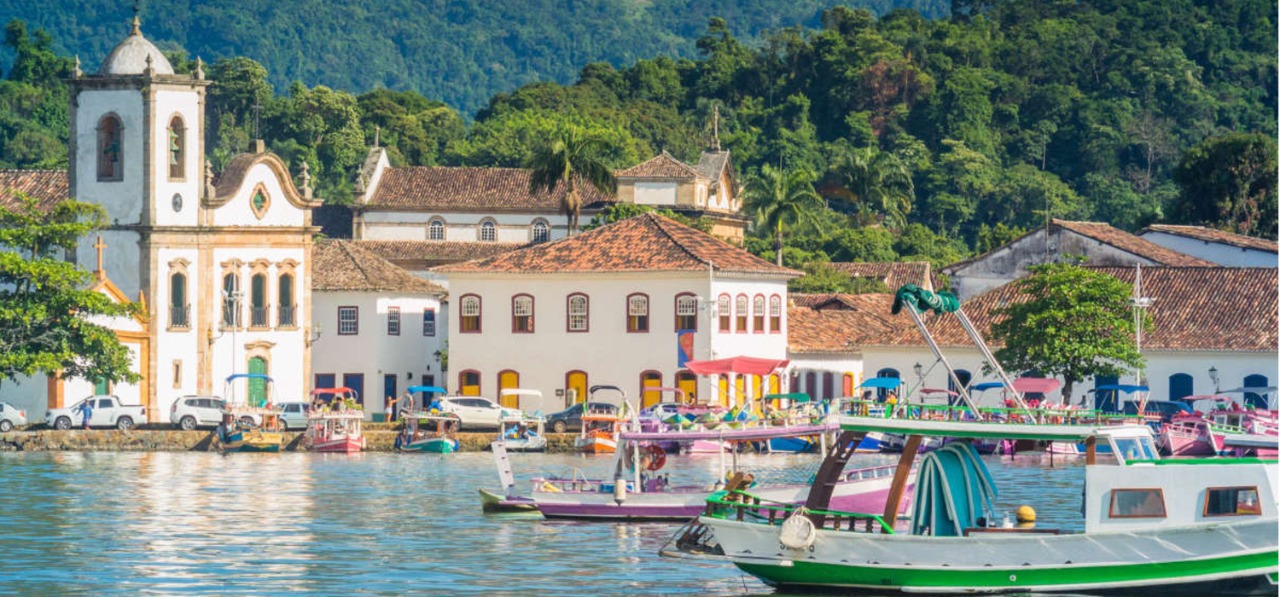
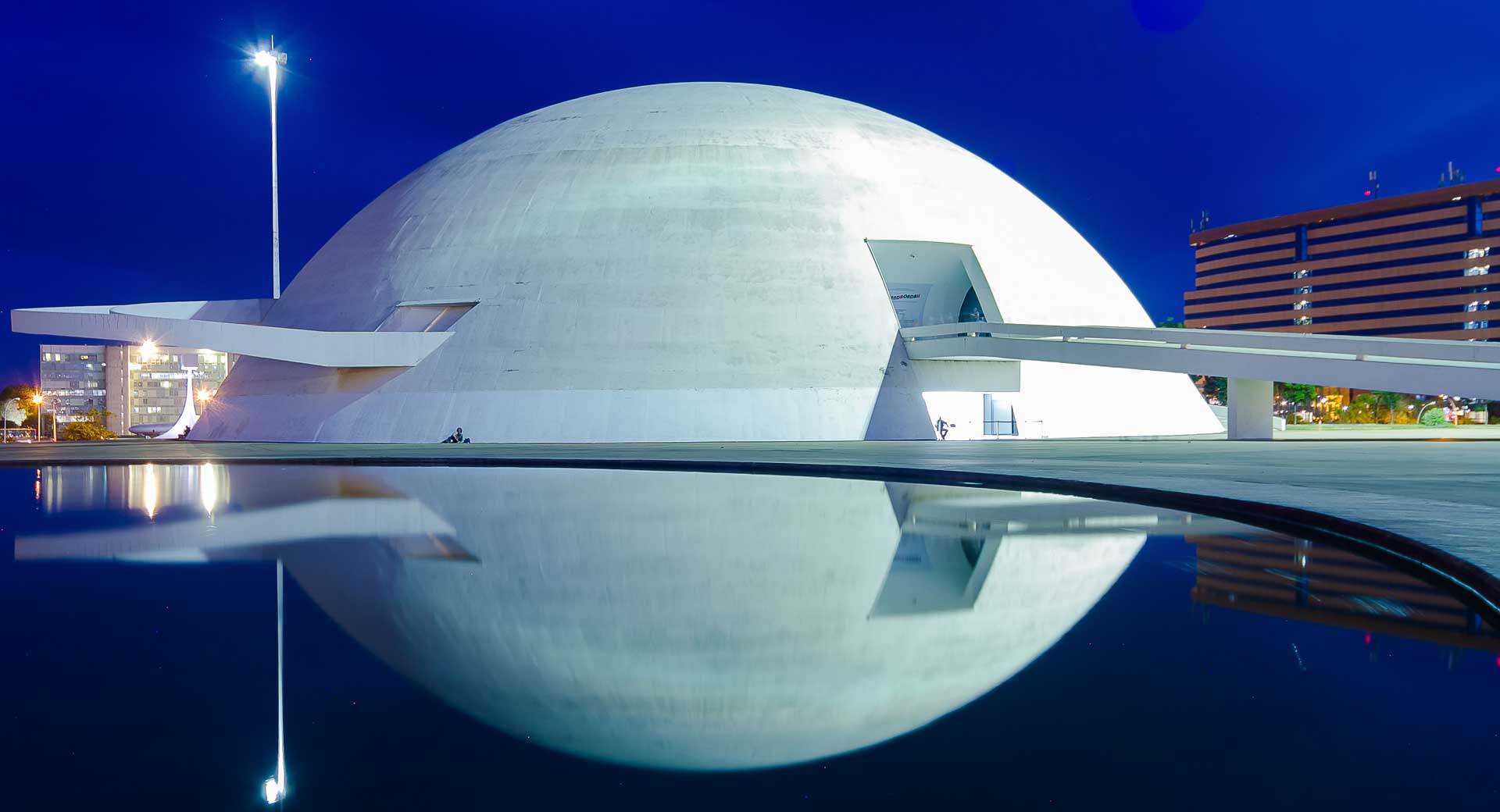
Paraty is a well-preserved colonial town with cobblestone streets and historical architecture, and it doubles as a gateway to beautiful beaches and islands along the coast. Brasília, the capital, adds a completely different register: an inland city known for its unique design and modernist architecture, inaugurated on 21 April 1960 to help develop the interior of the country and symbolise a new era of progress. Oscar Niemeyer's buildings are visible across the city, and Brasília was itself made a UNESCO World Heritage Site in 1987.
Manaus is the gateway to the Amazon and the natural starting point for exploring the rainforest's biodiversity. Guided tours from there can include boat trips along the Amazon River, trekking with an experienced guide through the jungle, or staying in one of the region's eco-lodges to spend a night immersed in the sounds of the forest.
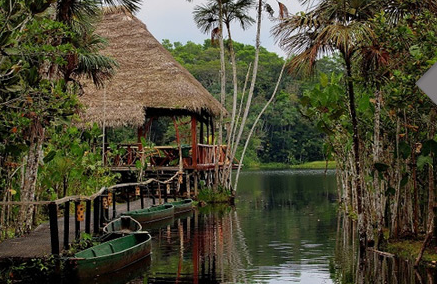
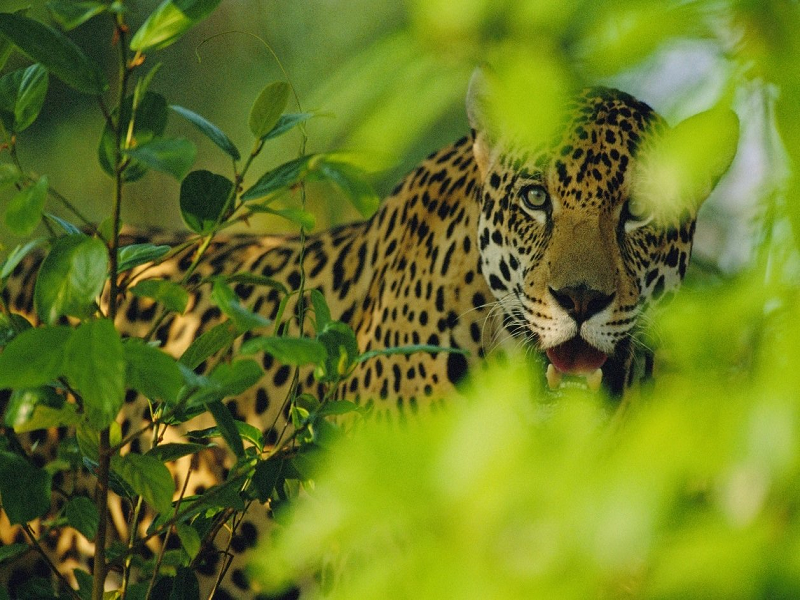
The Pantanal is the world's largest tropical wetland, with an open landscape and wildlife routes that can be more accessible than some dense Amazon rainforest journeys; the exact access depends on the itinerary and conditions. It is known for jaguars, capybaras and caimans; a wildlife safari, birdwatching tour or boat trip is a way to explore it, not a guarantee of sightings.
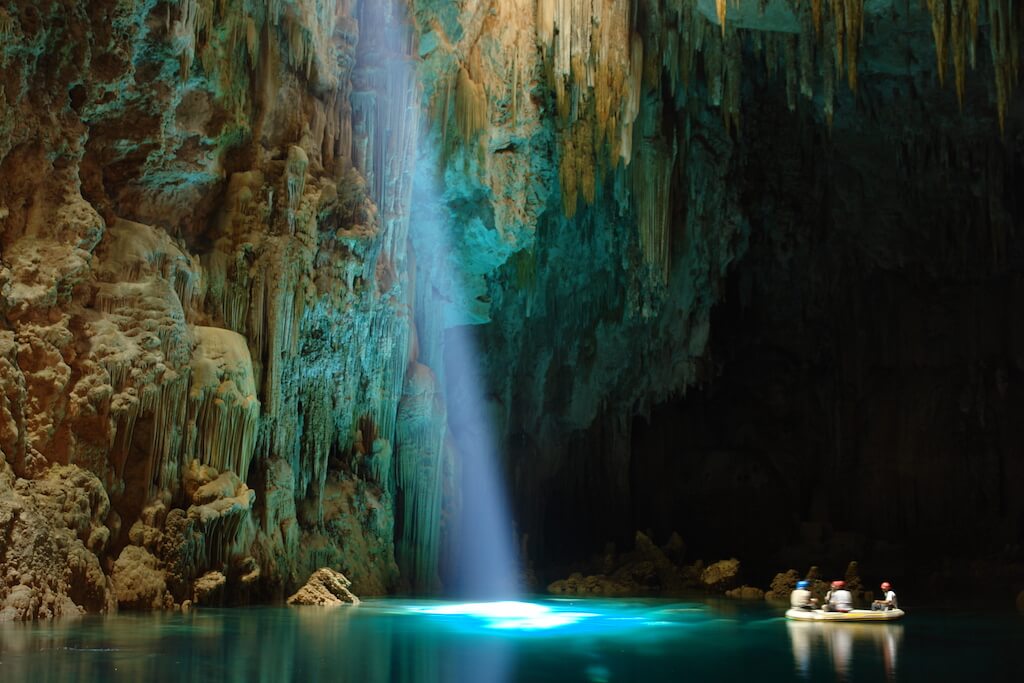
Bonito, near the Pantanal, is a different kind of nature stop, known for clear-water rivers and caves. Rio da Prata offers river snorkelling, while Blue Lake Cave (Gruta do Lago Azul) is an observation-only visit: tourist snorkelling or diving in its lake is not permitted. Our guide to the top things to do in Brazil offers more ideas for a nature-led route.
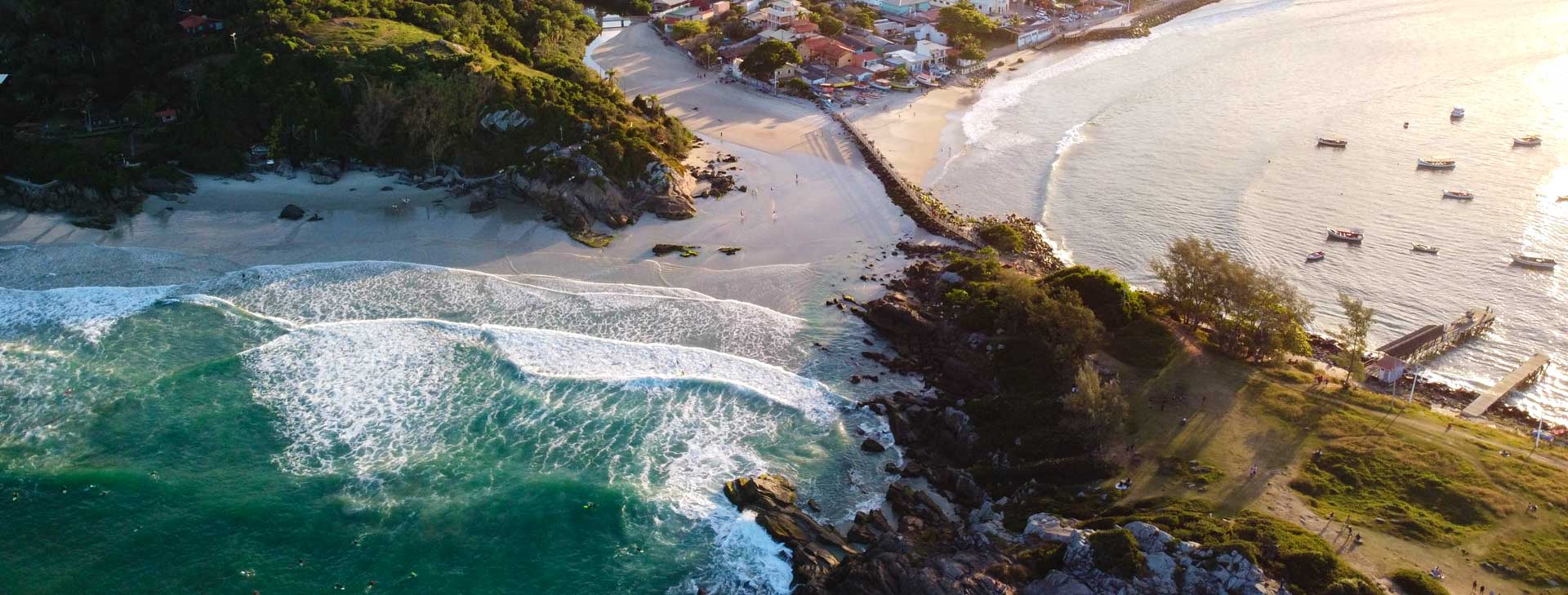
Referred to locally as "Floripa," Florianópolis is a beautiful island city in southern Brazil known for its stunning beaches, outdoor activities and vibrant culture. Inland, the Lagoa at the heart of the island is surrounded by hills, dunes and lush greenery and suits windsurfing, kayaking and stand-up paddleboarding, while the surrounding neighbourhoods offer fresh seafood, including oysters, at waterfront restaurants alongside the city's nightlife.
Fernando de Noronha is an archipelago off Brazil's northeastern coast known for natural beauty and clear water. Its marine national park and the Atol das Rocas biological reserve form a UNESCO World Heritage property inscribed in 2001; the listing does not cover the whole archipelago. Diving and snorkelling around permitted areas can include coral reefs, underwater caves and the occasional shipwreck, alongside sea turtles, dolphins, reef sharks and many species of fish.
Lençóis Maranhenses National Park is famous for vast sand dunes interspersed with seasonal lagoons. A dune outing can use authorised 4x4 transport on permitted routes, where available, followed by a swim in an open lagoon and a sunset over the desert-like scenery.
Chapada Diamantina National Park, in the interior of Bahia, is a different kind of dramatic: waterfalls and plateaus with hiking toward Fumaça Waterfall. The wider Chapada Diamantina region also has deep caves and viewpoints such as Morro do Pai Inácio, plus Pratinha Cave in the separate Marimbus/Iraquara protected area; these should not all be presented as stops inside the national park.
Because Brazil spans several climates, "best time to visit" depends on the itinerary rather than one national calendar. Rio's beach demand and weather need checking for the chosen dates, rather than assuming a quieter or cheaper month. A Brazilian Ministry of Tourism guide published in 2015 suggests July to September around Manaus for often shorter Amazon rain, not a rain-free season, and May to September for lower rain across the wider Pantanal region; current conditions and access still vary by route. The same dated guide suggests May to early October for the seasonal lagoons of Lençóis Maranhenses, but their actual water levels depend on rainfall. Fernando de Noronha's sea conditions and every inland stop also need a current date check before combining them in one route.
For a first Brazil trip, two or three anchor destinations may be easier to enjoy than an ambitious multi-stop route across the whole country. That can also suit older travellers looking for a relaxed, well-paced South America trip: longer stays per stop and shorter travel days can reduce the logistical load. Our Brazil packages offer route ideas around Rio, Iguazu Falls and colonial towns such as Paraty; any guide or driver coverage needs to be confirmed for the exact itinerary.
Entry rules for Brazil differ by nationality and can change. As checked on 15 September 2026, GOV.UK says people travelling on a full British citizen passport from the UK can visit Brazil for tourism without a visa for up to 90 days, provided the passport expires at least six months after arrival; the US Department of State says US citizens need a visa, the Government of Canada lists a tourist visa as required, and Brazil's Ministry of Foreign Affairs describes the visitor e-Visa route for US and Canadian passports. Check the current official requirements for your own passport before booking and again before departure.
Have we convinced you to plan your next holiday to Brazil? Contact Ada Tours and tell us the destinations, pace and travel dates you have in mind. We can discuss experienced guides, drivers and organised experiences for your chosen stops, including arrival-to-departure support if available for the route; the proposal will state the exact coverage rather than assume it for every trip or promise a stress-free visit.
Ada Tours can discuss a Brazil route linking rainforest, wetland, colonial towns, modern cities or Atlantic islands, with the connections scoped for the chosen stops. That range can suit a first-time couple, a wildlife-focused traveller or an older traveller who wants a slower pace, all without leaving the country.
Ada Tours can discuss a first Brazil itinerary around two or three anchor destinations, pairing a city such as Rio de Janeiro with a natural or colonial highlight. Ask which transfers and guided visits can be included for your pace and route; any flight arrangements require separate confirmation.
Ada Tours treats Brazil as several climates: a 2015 Ministry of Tourism guide suggests July to September for shorter rain around Manaus and May to September for lower rain across the Pantanal region. Match travel dates to current conditions and the exact activities, because those dated windows do not promise dry weather, easy access or wildlife sightings.
Ada Tours directs full British citizen passport holders to GOV.UK, which says tourism visits of up to 90 days do not require a visa; US and Canadian passport holders need a tourist visa according to the US Department of State and the Government of Canada, and Brazil's Ministry of Foreign Affairs describes the e-Visa route. Check the latest official requirements for your own passport before booking and again before departure.
Ada Tours can plan longer stays per destination and shorter travel days for older travellers who prefer a slower pace. Tell us which support or accessibility needs matter so the exact route and any guiding can be confirmed before booking.
Ada Tours can discuss the Pantanal for travellers drawn to wetland wildlife such as jaguars and capybaras, with no sighting promised. For travellers interested in rainforest landscapes, river travel, guided jungle walks and eco-lodge stays near Manaus, the Amazon offers a different itinerary focus.