Your booking cart is empty!
Updated 18 October 2026
TLDR: Brazil's best places for a first visit sit in five regions: Rio de Janeiro and São Paulo in the Southeast, Iguazu Falls in the South, Salvador and the dunes in the Northeast, the Pantanal and Bonito in the Centre-West, and the Amazon in the North. Pick two or three bases and fly between them.
We've put together some highlights of our favourite places to visit in Brazil, grouped by region so you can see what each one is best for and how they connect. Brazil covers about 8.5 million square kilometres and ranks fifth in the world by area (Brazilian Ministry of Foreign Affairs), so the places below are usually linked by domestic flights, with a road, boat or 4x4 transfer at each end.
For the case for visiting Brazil at all, see why Brazil is a good place to visit.
Rio de Janeiro and São Paulo suit city and beach trips, the Northeast suits culture, coast and dunes, the Pantanal and Bonito suit wildlife and clear rivers, and the Amazon suits rainforest and river travel. The table lists the places in each region, what each is best for, the months official guidance gives and the usual way in.
| Region and places | Best for, and when to go | How it connects |
|---|---|---|
| Southeast: Rio de Janeiro, São Paulo, Paraty, Ouro Preto | Beaches and viewpoints, arts and food, colonial towns. No single season, so check weather and event dates for your dates. | Paraty is a coastal side trip from Rio. Ouro Preto is inland in Minas Gerais, so plan it as its own stop. |
| South: Iguazu Falls, Florianópolis | Waterfalls, island beaches and water sports. No single season, so check river levels and sea conditions for your dates. | Foz do Iguaçu is the gateway to the falls. |
| Northeast: Salvador, Recife and Olinda, Fernando de Noronha, Lençóis Maranhenses, Chapada Diamantina | Afro-Brazilian culture, colonial streets, diving, dunes, waterfall hikes. Lençóis lagoons: May to early October. Noronha diving: August to November, with rain from March to July. | Noronha is reached by air from Recife. Lençóis Maranhenses is reached through São Luís, then by road to Barreirinhas. |
| Centre-West: Pantanal, Bonito, Brasília | Wildlife, clear rivers and caves, modernist architecture. Pantanal: May to September. Bonito rivers are clearest May to September. | Bonito is reached by road from Campo Grande or by direct flight from São Paulo. Pantanal access depends on the road in the rain. |
| North: Amazon rainforest | Rainforest wildlife, river travel, eco-lodges. July to September brings shorter, lighter rain, and heavy rain floods the forest from December to May. | Manaus is the main gateway. |
The month windows come from the Brazilian Ministry of Tourism's travel-timing guide, published in 2015, and from the park and tourism-office pages linked in each section. Conditions change from year to year, so check current water levels, road access and sea conditions for your dates.
No visit to Brazil is complete without a visit to the ‘Marvellous City,’ Rio de Janeiro. Situated on golden sand beaches, the urban sprawl of the city of Rio de Janeiro merges seamlessly into the lush green forests of the Tijuca National Park surrounding you with lush nature wherever you go. When in Rio take a train or hike up to Christ the Redeemer and scale Sugarloaf Mountain by cable car for panoramic views of the city.
The Corcovado train leaves from Cosme Velho station and has taken visitors to Christ the Redeemer since 1884, and the Sugarloaf cable car runs between Urca Hill and Sugarloaf Mountain. As at 15 October 2026 the UK Foreign Office says tourists have reported armed robberies on the Corcovado walking trail and lists thefts and pickpocketing at Copacabana, Ipanema, Lapa and Santa Teresa, so take the train if in doubt and check current local guidance before you walk.
While away the days soaking up the atmosphere on Copacabana and Ipanema beaches where you can relax as hard as you like with access to beach tennis or volley, surfing, standup paddle boarding, swimming on the beach or simply sit in a cadeira under an umbrella sipping cool coconut water from a coconut or enjoy the tropical taste of a traditional Caipirinha.

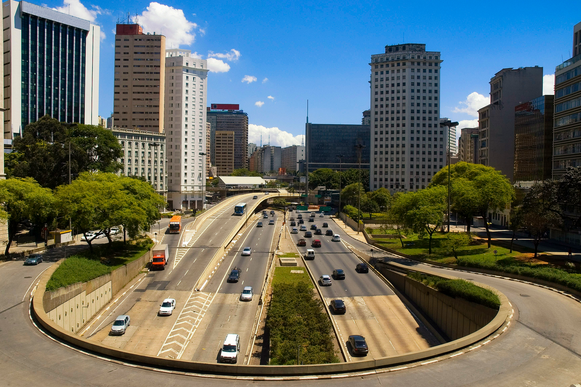
As Brazil's largest city, São Paulo is a cultural and financial hub that boasts a lively arts scene and bustling nightlife. In São Paulo you can find a culturally diverse culinary scene.
IBGE's 2025 population estimates put São Paulo at about 11.9 million residents, the most of any Brazilian city (IBGE). A short São Paulo stay pairs well with a Rio-led itinerary, one beach city and one working city.
A well preserved colonial town with cobblestone streets, and historical architecture, Paraty is a charming coastal town with a rich history and access to beautiful beaches and islands.
UNESCO inscribed Paraty and Ilha Grande together in 2019 as a mixed cultural and natural site. From Rio, Paraty makes an easy coastal side trip.

A historic town in the state of Minas Gerais, Ouro Preto was designated a UNESCO World Heritage site in 1980. The town is considered one of the best-preserved examples of 18th-century colonial architecture in the world, with a wealth of baroque art and architecture. Founded in the late 17th century the town became the focal point of the Brazilian gold rush in the 18th century. The town's wealth and importance during this period are reflected in its opulent churches, public buildings, and homes.
Ouro Preto sits inland, away from the coast, so plan it as a stop of its own rather than a day trip from a beach base.
One of the largest and most powerful waterfall systems in the world, Iguazu Falls is a UNESCO World Heritage Site and never fails to impress. Visiting the falls allows you to walk along extensive trails including to the ‘Devil’s Throat’ viewpoint or take a boat ride to get up close to the falls feeling the power of the water! One of the world’s most impressive natural wonders, straddling the border between Brazil and Argentina.
The Brazilian side is Iguaçu National Park, inscribed by UNESCO in 1986, and Argentina's neighbouring Iguazú National Park has its own separate inscription. The Brazilian park entrance is at km 18 of the BR-469, the road from Foz do Iguaçu.

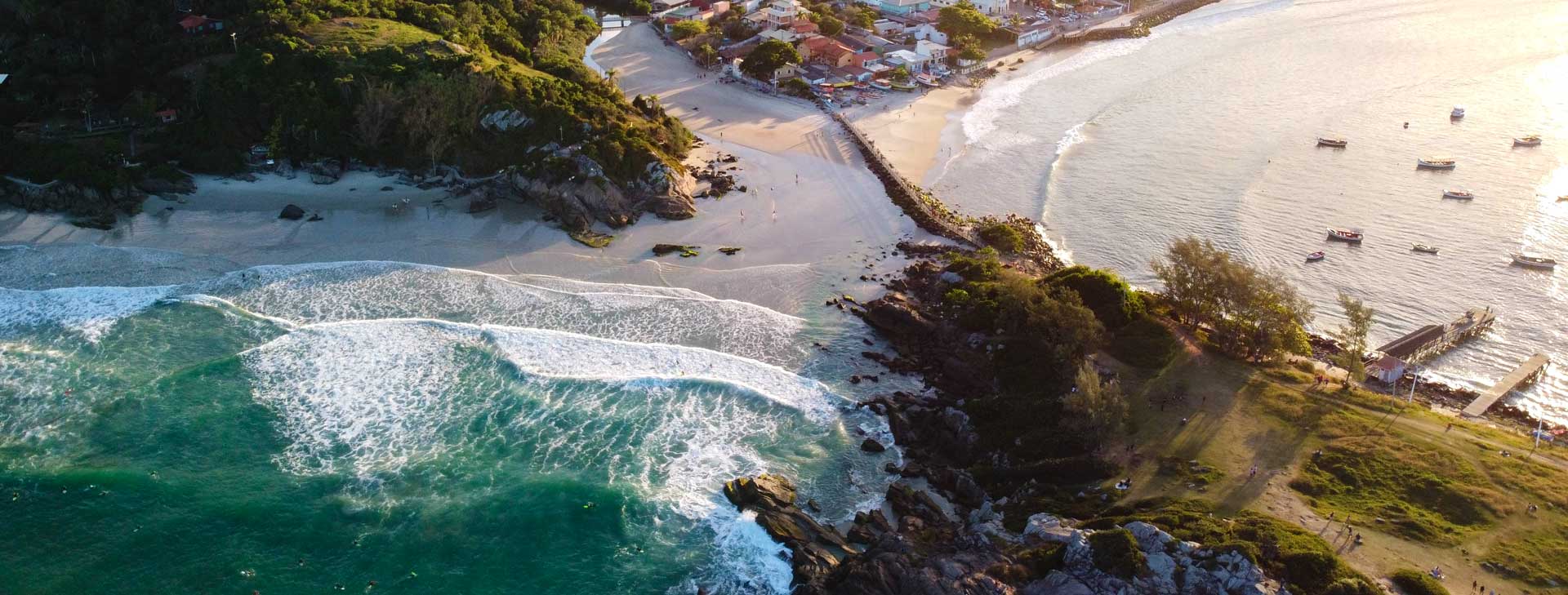
Referred to as "Floripa," Florianópolis is a beautiful island city in southern Brazil known for its stunning beaches, outdoor activities and vibrant culture. Florianópolis is a destination that offers a perfect blend of natural beauty, cultural heritage, and modern amenities, making it a must-visit spot in Brazil.
Visit the numerous beaches, for relaxing or try surfing. Head inland to the Lagoa at the heart of the island, which is surrounded by hills, dunes, and lush greenery and perfect for water sports like windsurfing, kayaking, and stand-up paddleboarding. Numerous charming neighbourhoods offer fresh seafood at waterfront restaurants, including fresh oysters! Experience the local culture, try regional delicacies, and enjoy Florianópolis' vibrant nightlife scene.
Florianópolis works well as a beach-first stop at the end of a route through the cities.
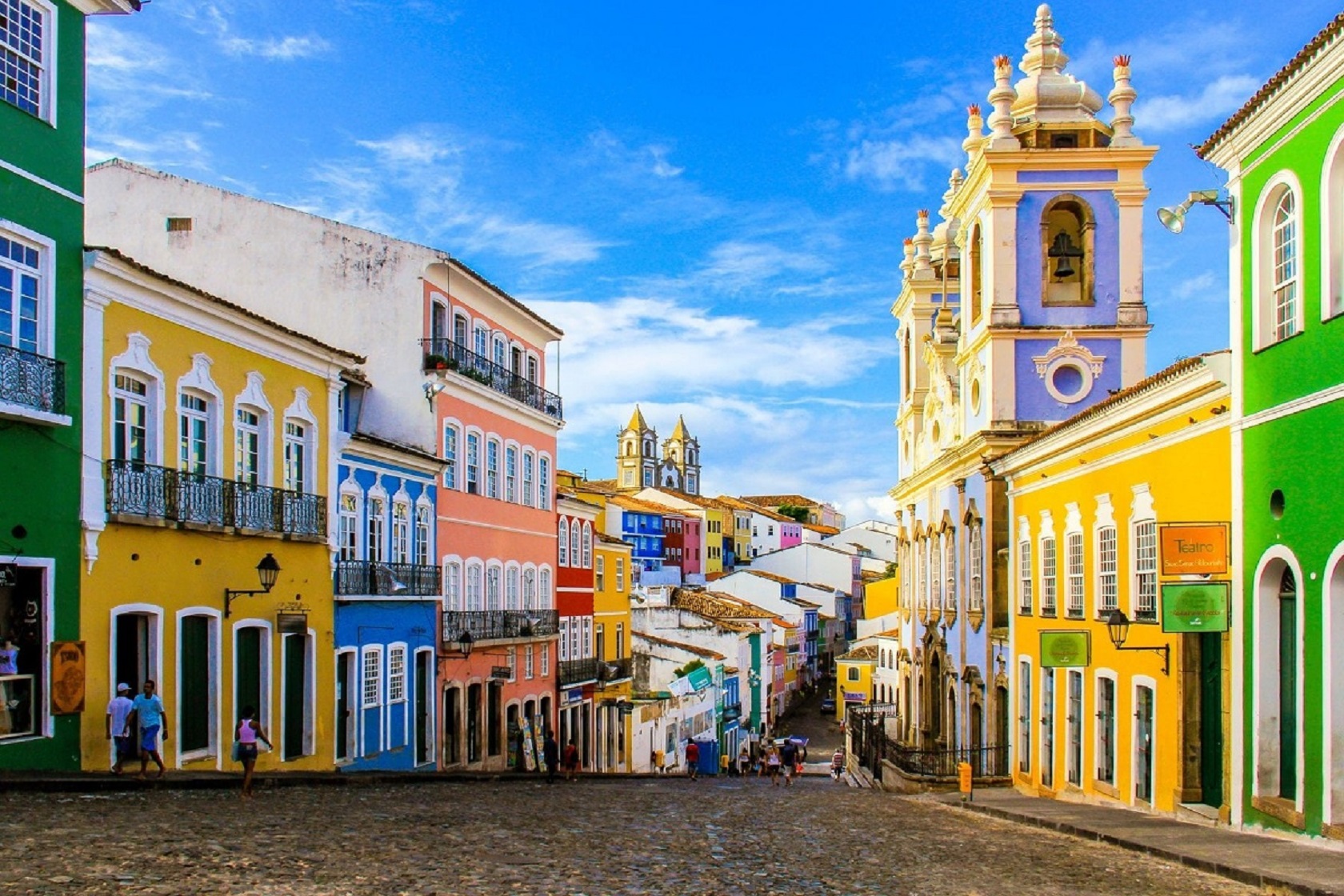
Discover the rich Afro-Brazilian culture of Salvador, home to a beautifully preserved colonial architecture and vibrant cultural scene. Wander the streets of the Pelourinho district, visit colourful churches, and enjoy traditional Bahian cuisine and music.
UNESCO inscribed the Historic Centre of Salvador de Bahia in 1985.
Recife is the "Venice of Brazil" due to its numerous waterways, bridges, and vibrant culture. It is a bustling metropolis with a rich history and modern attractions. Olinda is a UNESCO World Heritage site and one of Brazil's best-preserved colonial cities. Located just a few kilometres from Recife, Olinda is known for its colourful houses, baroque churches, and lively cultural scene.
Best visited together, Recife is known for its lively culture and history, while Olinda, a UNESCO World Heritage site, offers charming colonial streets and rich traditions. The UNESCO listing covers Olinda's historic centre, inscribed in 1982, not Recife. Flights to Fernando de Noronha leave from Recife, so the city also works as the starting point for the island.

This stunning archipelago off the northeastern coast of Brazil, known for its breathtaking natural beauty, crystal-clear waters, and rich marine life. It is a UNESCO World Heritage site and one of Brazil's most prized ecological treasures. Enjoy the pristine beaches or dive and snorkel with the rich marine life. The crystal-clear waters provide excellent visibility, allowing divers and snorkelers to explore vibrant coral reefs, underwater caves, and shipwrecks. You can encounter a wide variety of marine life, including sea turtles, dolphins, reef sharks, and countless species of fish.
The 2001 UNESCO listing covers Fernando de Noronha's marine national park and the Atol das Rocas reserves, not the whole archipelago. The Ministry of Tourism's guide gives August to November as the diving window, with calm sea and visibility of up to 50 metres, and March to July as the rainy months, when dirt streets turn to mud.
The island lies about 545 km from Recife, and the island administration lists daily flights of about an hour from there. Visitors pay a per-day environmental preservation fee to the island administration and buy a separate national park ticket, and the Atalaia tide pool takes a limited number of people a day.

The unique Lençóis Maranhenses national park is famous for its vast sand dunes interspersed with seasonal lagoons, creating otherworldly landscapes. Take a 4x4 tour across the dunes, swim in the crystal-clear lagoons, and watch the sunset over the desert-like scenery. A unique natural wonder, this park offers an otherworldly experience with its shifting dunes and crystal-clear lagoons.
The park agency, ICMBio, records UNESCO natural World Heritage recognition in 2024. The Ministry of Tourism's guide says many lagoons disappear in the dry season, around November, and gives May to early October as the best time to visit.
The visitor guidance names São Luís as the practical airport, then the road to Barreirinhas by the BR-135 and MA-402. Tours must use credentialed vehicles, drivers and visitor guides, and private vehicles may not be used on the dunes.

The region of Bahia is known for its dramatic landscapes, with numerous waterfalls, deep caves, and majestic plateaus. Hiking to the Fumaça Waterfall, exploring the Pratinha Cave, or climbing the Morro do Pai Inácio for stunning views must not be missed for the adventure traveller! Its dramatic landscapes and outdoor adventures, makes this national park a haven for both hikers and nature enthusiasts.
Not every stop lies inside the national park: Pratinha is listed among the notable features of the neighbouring Marimbus/Iraquara protected area. The park agency says the Fumaça Waterfall trail is about 5 km and takes about two hours, including about an hour of steep climbing, from the village of Campos in the Vale do Capão.
The park can be entered from six towns through 38 entry trails, and ICMBio recommends hiring a guide because the trails are unmarked.

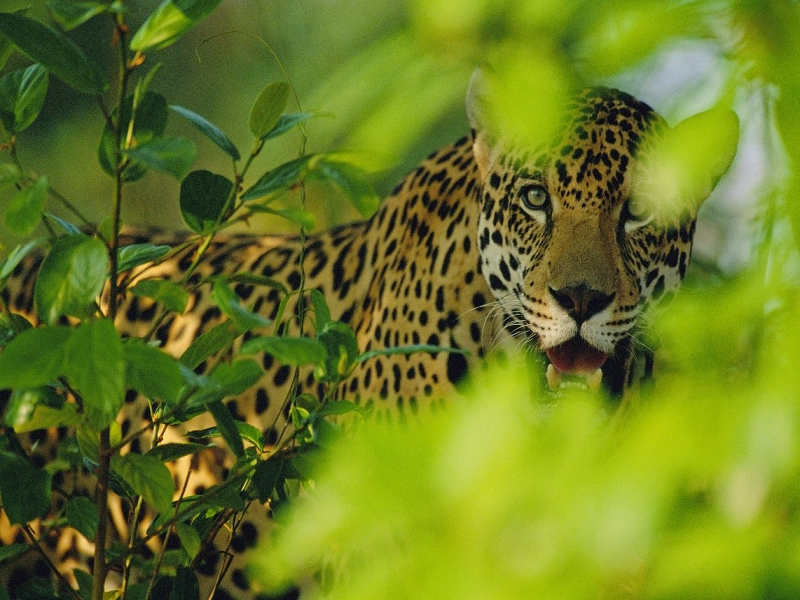
The Pantanal is the world’s largest tropical wetland area, renowned for its rich wildlife, including jaguars, capybaras, and caimans. Whilst there make sure to go on a wildlife safari, birdwatching tour, or a boat trip to explore this natural paradise. We think the Pantanal is the best place in Brazil for wildlife viewing, offering a more accessible and open environment than the Amazon.
WWF describes the Pantanal as the world's largest tropical wetland. The Ministry of Tourism's guide calls the dry season, May to September, the best for visiting because animals move around more freely and the chance of seeing jaguars rises. From January to March rain is heavy and the heat intense, and in the wet season trips go by boat. No sighting is ever guaranteed.
How easy the Pantanal is to reach depends on the route and the month. ICMBio notes that the Transpantaneira road, which runs from Poconé to Porto Jofre, becomes nearly impassable in the rain from December.
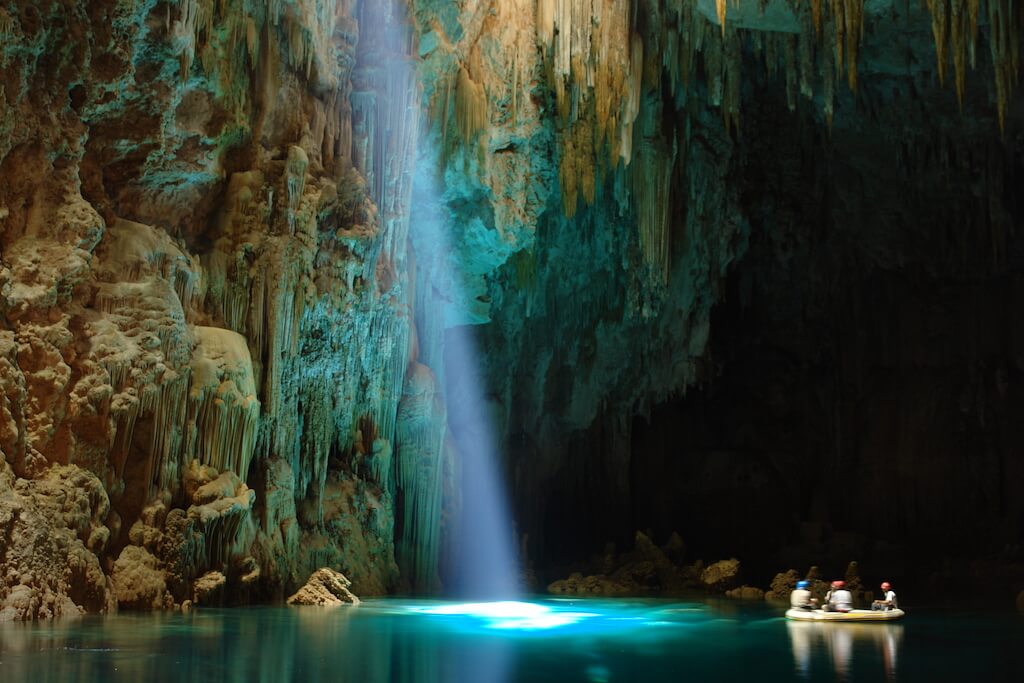
A hidden gem known for its crystal-clear rivers, caves, and underwater life, Bonito is tucked away in the Serra da Bodoquena, about 180 km from the southern Pantanal (Bonito tourism office). A visit to this majestic river is a snorkelling experience like no other you’ve had before. Visit the Rio da Prata, the Blue Lake Cave (Gruta do Lago Azul), and explore the surrounding natural beauty, a true paradise for nature lovers.
The Blue Lake Cave is for viewing only: tourists cannot swim or dive in its lake, so the snorkelling is in the rivers. The tourism office says the rivers are clearest from May to September, and that attractions are booked through a travel agency and visited with a guide.
Bonito is about 300 km from Campo Grande, around four hours by road, and the tourism office lists direct flights of about two hours from São Paulo to Bonito Regional Airport.
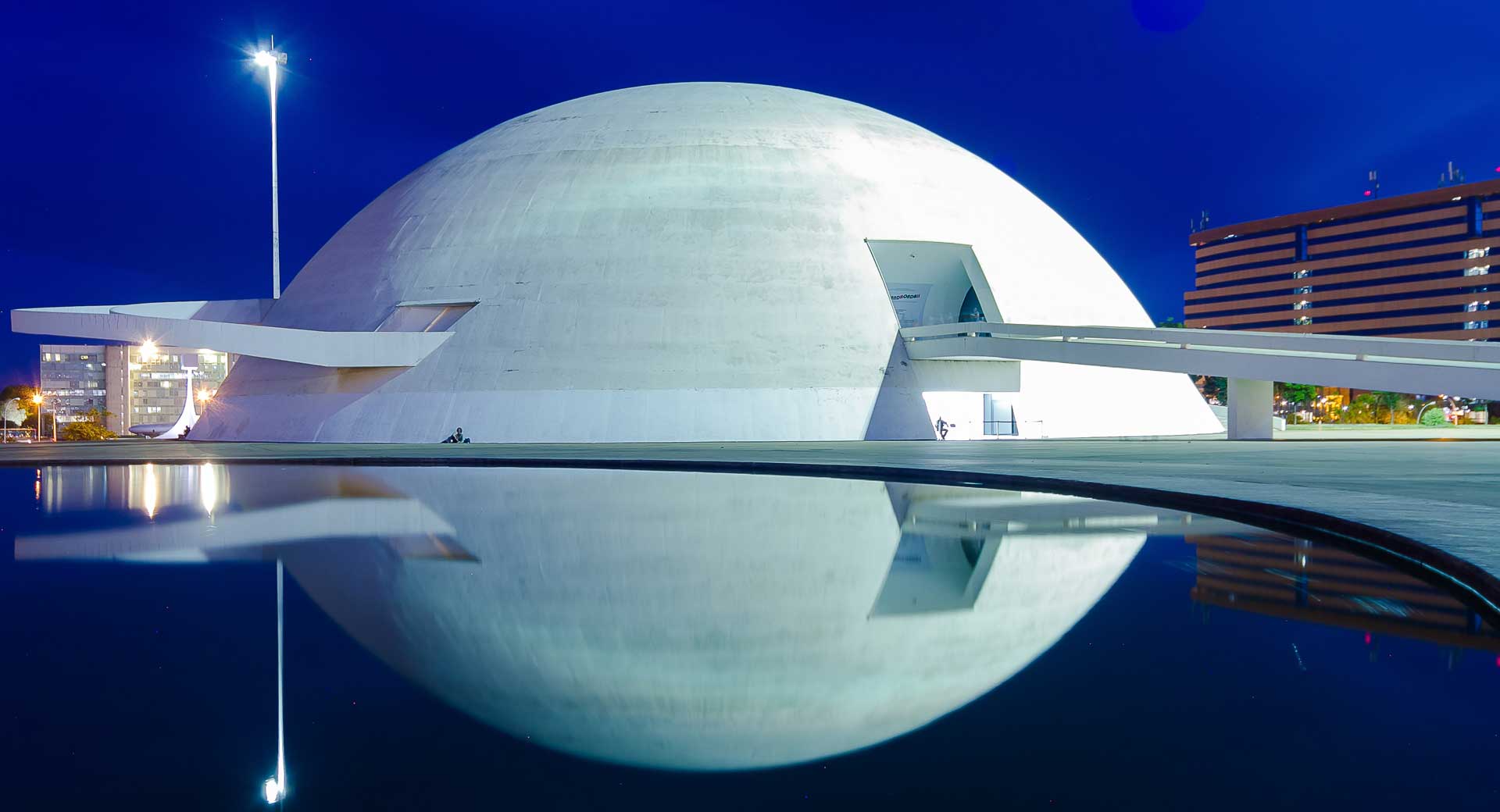
The capital of Brazil is known for its unique design, modernist architecture, and political significance. Brasília was constructed to serve as the new capital of Brazil, officially inaugurated on 21 April 1960. The city was designed to help develop the interior of the country and to symbolise a new era of progress. Everywhere in the city, modernist architecture by Oscar Niemeyer can be enjoyed. Now a UNESCO World Heritage site, Brasília is on the world map for its unique and innovative design.
Brazil's federal city profile credits the design to Oscar Niemeyer and Lúcio Costa, and UNESCO inscribed Brasília in 1987.
Manaus is the gateway to the Amazon and is the perfect place to start your journey to explore the unique biodiversity of the Amazon Rainforest. Teeming with wildlife, overgrown with exotic plants, the rainforest offers incredible safari opportunities set beneath a never ending sky. Guided tours can include boat trips along the Amazon River, trekking with an experienced guide through the jungle, or staying in one of the spectacular eco-lodges to immerse yourself in the sounds and sensations of the magnificent jungle.
The Ministry of Tourism's guide says heavy rain floods forests and streams from December to May, that the jungle has no true dry season, and that July to September brings shorter, lighter rain, which it gives as the best time to visit.

Link regions by flying between them, then plan the road, boat or 4x4 leg at each end, because most of these places sit far from each other and several have a single practical gateway, named in the place sections above. We suggest two or three bases for a first route, one flight between each pair and a spare half day after any long transfer, so that fewer moves leave more time at each place.
Several places only admit visitors with an accredited guide or operator. Lençóis Maranhenses tours must use credentialed vehicles, drivers and visitor guides, Bonito attractions are visited with a guide booked through a travel agency, and ICMBio recommends a guide for Chapada Diamantina because its trails are unmarked. At Fernando de Noronha, guided tours and diving are booked separately from the park ticket.
A single base with no flights may suit you better if you have a week or less, travel with young children, or simply prefer an unhurried pace. Rio de Janeiro with a Paraty side trip keeps everything in one region, and Ada Tours can plan that route too.
Take a first-time visit in July with 10 nights, which is 11 days on the ground from arrival to departure. Assume half a day is lost on arrival and half a day on departure, and one full day on each flight and transfer between bases. This is an illustration of the arithmetic, not a quoted programme.
| Plan | Days lost to travel | Full days at the places |
|---|---|---|
| Two bases: Rio de Janeiro for 5 nights, then Bonito for 5 nights, reached by a connection through São Paulo | 1 arrival and departure (two halves) + 1 transfer = 2 | 11 minus 2 leaves 9, about 4.5 a base |
| Three bases: add Iguazu Falls between them | 1 arrival and departure + 2 transfers = 3 | 11 minus 3 leaves 8, about 2.7 a base |
July falls inside the May to September window the Bonito tourism office gives for its clearest rivers and the Ministry of Tourism gives for the Pantanal. The extra base costs a full day at the places, which is why we suggest two or three bases for a first route.
Advisers building these routes for clients should agree who covers each flight, transfer and guide, and what happens if a road, river or sea condition changes the plan. Our guides to choosing a Brazil DMC, complex multi-stop trips and agreeing the handoff under your agency's brand cover those questions in detail.
Ada Tours is a destination management company and inbound operator based in Rio de Janeiro, planning trips across Brazil and Latin America. We plan routes across the places above, including guides, transfers and domestic flight logistics, with the exact coverage stated for each programme, and we can quote under an agency's own brand or as Ada Tours, as the agency prefers.
If you are struggling to know where to begin, contact Ada Tours if you’d like help planning a trip of a lifetime to beautiful Brazil, and tell us the places, the months and the pace you have in mind. Our highly experienced guides and drivers can be with you from the moment you land at the airport until the end of your adventure in Brazil. We will arrange the experiences Brazil has to offer, and the proposal states what is covered at each stop. See our Brazil tours, excursions and packages for route ideas, or write to us.
Ada Tours starts from the traveller's interests and months of travel, then groups places by region so that each move between regions is one flight and each region gets enough nights to feel unhurried. A first route often uses two or three bases, for example Rio de Janeiro, Iguazu Falls and one nature region.
Ada Tours can plan around the Ministry of Tourism's 2015 guidance: May to September for the Pantanal, July to September for shorter rain around Manaus, and May to early October for the Lençóis lagoons. Those windows are planning leads, not forecasts, so check water levels, road access and wildlife conditions against your actual dates before choosing a month.
Ada Tours can plan a Brazil route that links regions such as Rio de Janeiro, Iguazu Falls, the Pantanal and the Northeast, with the guides, transfers and domestic flight logistics stated for each stop. Because Brazil is so large, we build each route around the flights between regions first and add the road, boat or 4x4 legs second.
Ada Tours can arrange accredited guides where the rules require them: Bonito attractions are visited only with a guide booked through a travel agency, and Lençóis Maranhenses tours must use credentialed vehicles, drivers and guides. ICMBio recommends a guide for Chapada Diamantina because the trails are unmarked, so a guide is the sensible choice for trails such as the Fumaça Waterfall.
Ada Tours suggests Rio de Janeiro for the beaches and landmarks, Iguazu Falls for the waterfalls and one nature region such as the Pantanal or the Amazon. The right mix depends on how many days you have and which months you travel, so tell us both and we will propose two or three bases rather than all fifteen places.
For Rio de Janeiro, Ada Tours repeats the UK Foreign Office advice: it reports armed robberies on the Corcovado walking trail to Christ the Redeemer, so take the train and check current local guidance. The same advice lists thefts and pickpocketing at Copacabana, Ipanema, Lapa and Santa Teresa, so keep valuables out of sight.