Your booking cart is empty!
Updated 6 October 2026
TLDR: Ada Tours can plan an escorted, relaxed-pace South America trip for older travellers, with fewer transfers, realistic daily distances and rest built into the route. Tell us your preferred pace, mobility needs and the countries that matter most, and we will propose stops and timings for you to check before booking.
Ada Tours can put together an escorted small-group itinerary or tailor an independent one, built around the pace you want rather than a fixed day by day script. The same route through Rio de Janeiro, the Amazon or the Andes can be a brisk week or an unhurried fortnight.
Ada Tours has been planning South America trips since 2007, and our guides and drivers are with you from the moment you land until your adventure ends. We ask about mobility, rest day preference and which destinations matter most before we propose stops, transfers and timings for you to check, and senior discounts are often available depending on the exact programme.
The sections below cover the format choice, what a senior-friendly stop looks like, which countries fit a relaxed-pace route, and how altitude and health planning fit alongside it.
Ada Tours can arrange a South America trip as an escorted small-group itinerary, with a guide and a set group travelling together, or as an independent itinerary with pre-booked transfers, hotels and local guides at each stop but no fixed group. Neither format is the automatic right answer for an older traveller: an escorted group suits someone who wants company and one point of contact throughout, while an independent itinerary suits a traveller or couple who prefers their own schedule with support arranged in advance.
Group size, exact departure dates and the balance of guided days against free time vary by itinerary and are confirmed for the specific trip, not fixed in advance. Tell us which format you expect to want, and we will propose a route built around it rather than assume one.
A stop works for an older traveller when it limits one-night turnarounds, keeps each day's walking and transfer time realistic, and leaves a genuine rest day between longer travel days. Ada Tours builds a route around those three things first, then fits sightseeing around them rather than the other way round. Across the continent, many attractions offer experiences for a range of mobility levels, whether by cruise, by train or on foot via easily accessible trails and viewpoints.
None of this is a fixed inclusion on every Ada Tours itinerary. It is the checklist we work through with a traveller before proposing stops, so the route reflects an actual pace rather than a standard template.
Ada Tours can combine two or three of Argentina, Brazil, Peru, Chile, Colombia, Costa Rica, Mexico and Uruguay in one relaxed-pace itinerary rather than all eight at once. The table below sets out what a comfortable stop in each tends to involve and what we check before confirming it fits the same trip as another country.
| Country | What a relaxed-pace stop can include | What to check before booking |
|---|---|---|
| Argentina | Buenos Aires city time plus one slower regional stop, such as wine country or Patagonia, rather than a rushed one-night turnaround. | Whether the regional stop keeps total transfer time reasonable for the days available. |
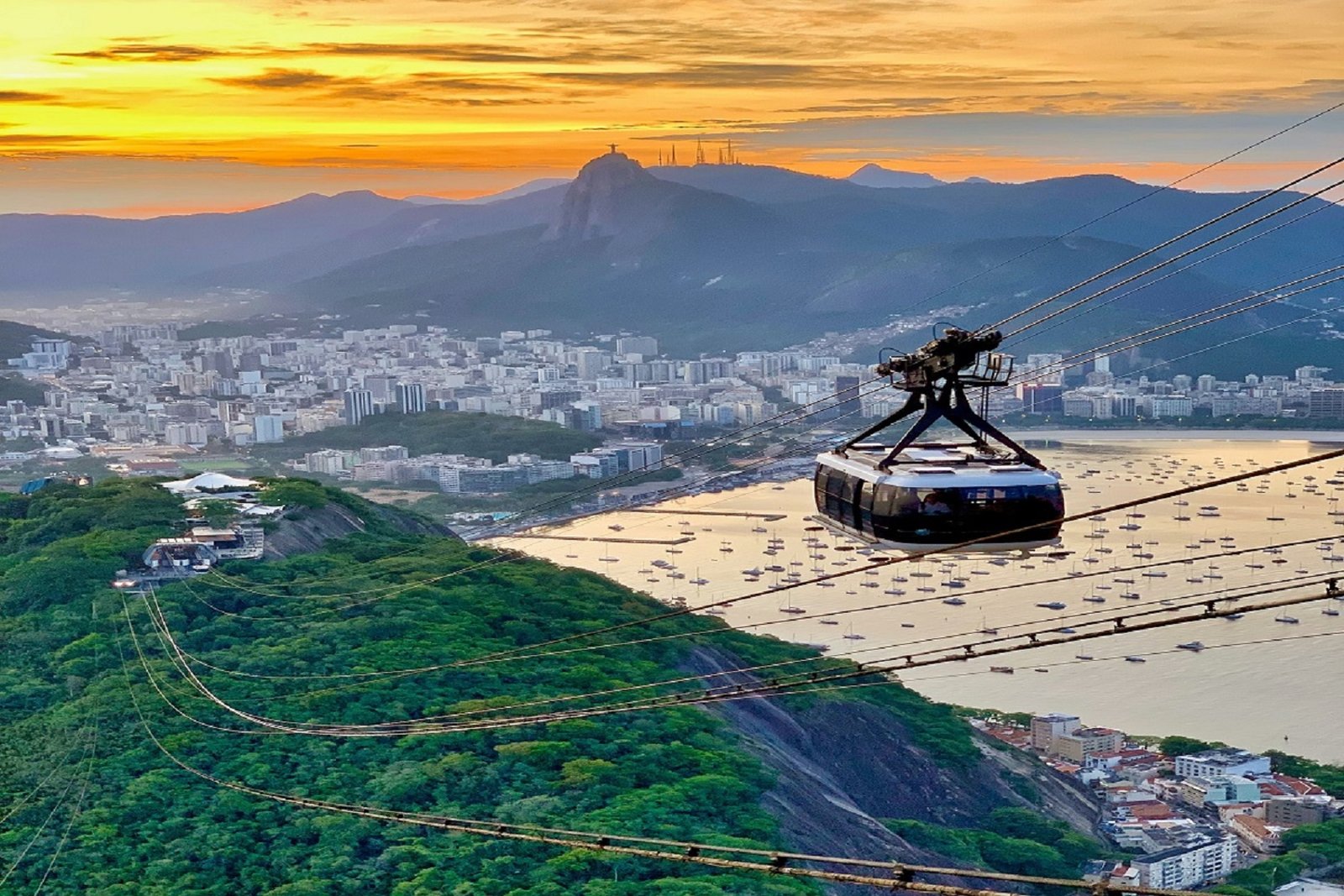
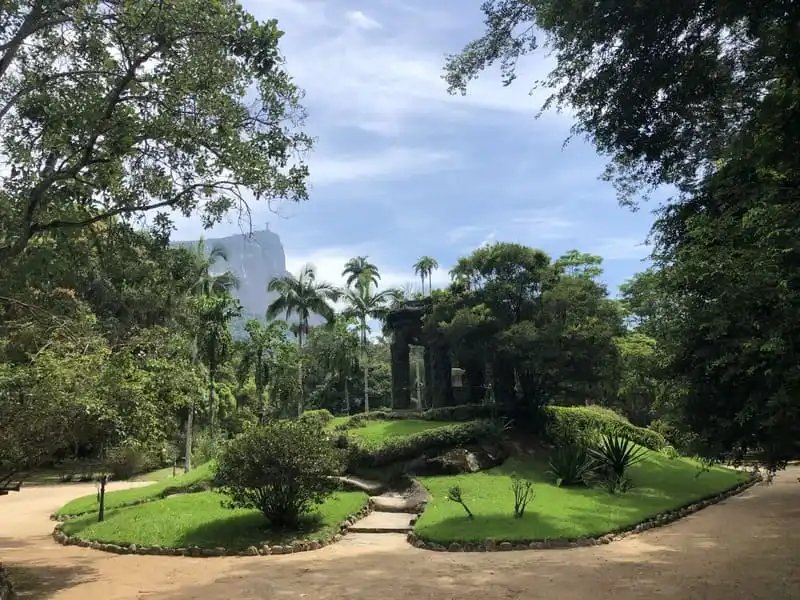
| Brazil | A Rio de Janeiro base with cable car and garden sightseeing, extended into the Amazon or the Pantanal only if the pace and logistics suit the traveller. | How many internal flights the route needs and where the rest days sit. |
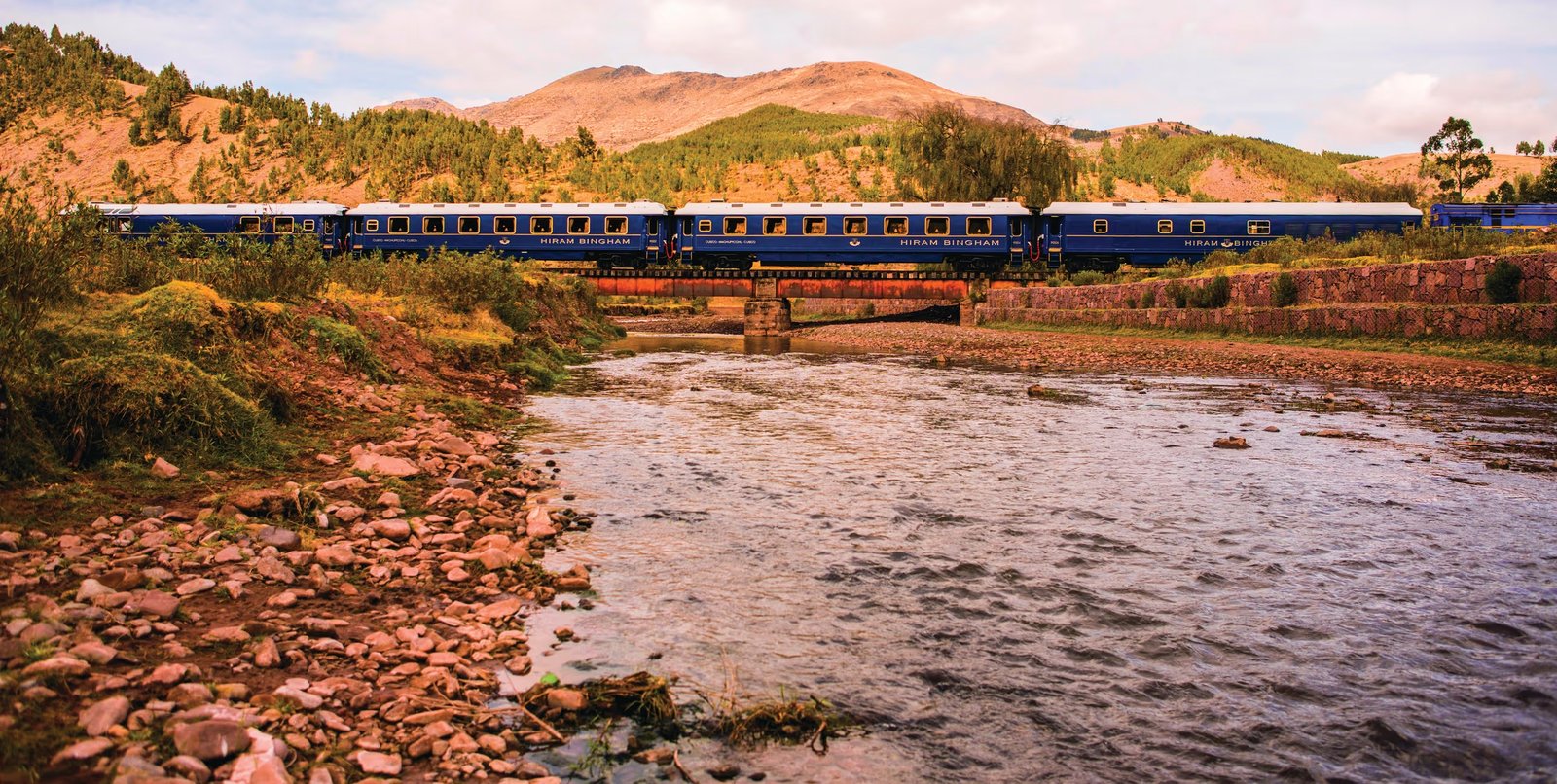
| Peru | Cusco and Machu Picchu reached by train rather than a trek, with acclimatisation time built in before the ruins. | Altitude and acclimatisation planning with your own doctor; see the next section. |
| Chile | Santiago plus a single regional extension, such as the Atacama Desert or the Lake District, instead of covering both in one trip. | The distance and altitude of any desert or mountain extension. |
| Colombia | Bogotá and Cartagena as two distinct stops, with enough days in each to avoid back-to-back travel days. | The transfer time and altitude change between Bogotá and a coastal stop. |
| Costa Rica | A smaller geographic loop, such as the Central Valley and one coastal or cloud-forest stop, rather than a full-country circuit. | How many lodge changes the route involves and how much driving each one needs. |
| Mexico | Mexico City combined with one further region, such as the Yucatán or the colonial highlands, rather than several regions in sequence. | Altitude at Mexico City and the walking demands of any ruin site on the itinerary. |
| Uruguay | Montevideo or Punta del Este added to a Brazil or Argentina itinerary as a shorter, lower-intensity stop. | That it is a genuine stop with its own nights, not an overnight squeeze between two longer legs. |
A closer look at each country shows what makes it a fit for a relaxed pace, and which named sites and stops it is actually built around.
Argentina's standout stops for a relaxed pace include the Perito Moreno Glacier in Los Glaciares National Park, reached from the gateway town of El Calafate with accessible walkways and boat trips that bring you close without a trek; nearby El Chalten suits a quieter scenery stop in a small village. Tierra del Fuego, the "Land of Fire" at the continent's southern tip, is home to Ushuaia, the southernmost city in the world, where visitors can explore national parks on horseback. The Lake District around Nahuel Huapi National Park and the Valdés Peninsula, a UNESCO World Heritage site near Puerto Madryn where sea lions, penguins and whales can be seen in their natural habitat, both suit a slower pace. Buenos Aires and the Mendoza wine region round out a relaxed Argentina stop.
A Rio de Janeiro base can include the cable car up Sugarloaf Mountain and a train to the Christ the Redeemer statue, both accessible without a climb, alongside the beaches of Copacabana and Ipanema. São Paulo and Brasilia, a UNESCO World Heritage city for its modernist architecture, suit a traveller who wants city time; smaller cities such as Salvador, Manaus, Recife, Olinda and Florianopolis offer a slower pace of life. Iguazu Falls, a UNESCO World Heritage Site on the Brazil-Argentina border, has accessible trails to the Devil's Throat viewpoint as well as boat rides for those who want to get close to the water. Further into the Amazon rainforest and the Pantanal wetlands, the Pantanal (home to jaguars, capybaras and caimans) is generally a more accessible, open environment for wildlife viewing than the Amazon itself, especially for bird watching. Fernando de Noronha and Lençóis Maranhenses National Park add a beach or dune stop for a traveller extending the trip.
Machu Picchu, reached from Cusco by a scenic train rather than a trek, is Peru's best-known relaxed-pace option, with the Sacred Valley, once the centre of the Inca empire, close by. For a lake stop, Lake Titicaca, the highest navigable lake in the world, can be visited from Peru or Bolivia, including the floating reed islands where the Uros community still lives. See "How does altitude fit into a relaxed pace?" below before confirming Cusco or Titicaca on the same trip as a lower-altitude stop.
Chile's distinct geography lets a relaxed-pace itinerary pick one region rather than cover the whole country: the rust-coloured San Pedro de Atacama Desert in the north, or Torres del Paine National Park and the Patagonian fjords in the south, both of which can be explored by vehicle or boat cruise, with a chance to see penguins and sea lions, rather than on foot.
Cartagena's walled colonial city and the nearby Isla Rosarios suit beach and city time with limited walking; Medellín, now a calm and well-regarded city, adds a magnificent Botanical Garden and colonial architecture. Both make a better fit for a relaxed pace than a route built around Valle de Cocora, the volcanic peaks of Los Nevados National Park, or the high mountains and jungle of Tayrona National Park, which involve more altitude and terrain change.
Costa Rica protects around a quarter of its territory as nature reserves, roughly 26 of them, including Corcovado National Park, the remote Osa Peninsula, Ballena Marine Park, Cahuita Park's coral reef and Tortuguero's sea turtle nesting beaches, alongside volcanoes such as Arenal, Poás, Irazú, Rincón de la Vieja and Turrialba and the cloud forests of Monteverde. A relaxed-pace visit picks one or two of these rather than a full-country circuit; see the table above for how we usually group them. The remote, uninhabited island reserve of Cocos suits a diving-focused extension rather than a relaxed-pace stop on its own.
Mexico City combines ancient sites such as Teotihuacan and Chichén Itzá with colonial architecture, while Cozumel's Palancar Reef and the coastal towns of Cancún, Tulum and Puerto Vallarta suit a slower beach stop, alongside the country's cuisine of tacos, mole and tamales.
Montevideo and Punta del Este add a shorter, lower-intensity stop to a Brazil or Argentina itinerary, with Tannat wine and asado barbecue as a relaxed, low-walking way to end a trip.
For a traveller who already knows they want more than one of these countries on the same trip, one DMC for a multi-country South America trip covers how Ada Tours coordinates hotels, guides and transfers across borders through a single team.
Altitude matters more to a relaxed-pace route than age does on its own. Several of the countries above, Peru, Chile, Colombia and Mexico among them, have a high-altitude city or site on the usual route, and that is a planning question independent of how old the traveller is.
Age by itself is not listed as a specific risk factor for altitude illness: the official US guidance on travel to high altitudes does not name age as a risk, and an unacclimatised traveller of any age can be affected above roughly 2,400 metres. What raises the real risk is a pre-existing heart or lung condition. Official UK travel health guidance notes that reduced heart or lung function can mean some travellers do less well at altitude, including a risk of severe hypoxia or cardiac strain.
Ada Tours asks every traveller to check a high-altitude stop, such as Cusco or an Andean crossing, against their own doctor's advice rather than against a general age cut-off. Official guidance recommends a pre-travel consultation four to eight weeks before departure, gradual ascent, and a rest day at the same altitude every three to four days once above 3,000 metres.
A few practical checks make the difference between a relaxed-pace plan on paper and a comfortable trip in practice. Ada Tours asks about these directly, and a traveller's own doctor and insurer should confirm the rest.
Ada Tours can discuss a relaxed-pace, escorted or independent South America itinerary for an older traveller or group. Write to Ada Tours with your preferred countries, pace and any mobility or medical planning point you want reflected in the route, and we will propose stops and timings for you to check before booking.
Ada Tours can plan a South America itinerary around a relaxed pace, with fewer one-night stops and rest days built between longer travel days. Tell us your preferred daily pace and we will propose a route and timings for you to check before booking.
Ada Tours can arrange either an escorted small-group itinerary with a guide throughout or an independent one with pre-booked transfers and local support at each stop. The right format depends on how much company and structure the traveller wants, which we confirm before proposing a route.
Ada Tours can combine two or three of Argentina, Brazil, Peru, Chile, Colombia, Costa Rica, Mexico and Uruguay in one relaxed-pace itinerary rather than all eight at once. We check the transfer time and altitude change between any two countries before confirming they suit the same trip.
Ada Tours generally proposes fewer destinations with longer stays rather than a long list of short stops, since each extra base change adds a travel day rather than a rest day. The right number for any trip depends on the traveller's own pace and the days available, which we ask about directly.
Ada Tours asks about mobility, walking tolerance and any rest-day preference before proposing stops, guides and transfers for a trip. We do not assume a standard accessibility feature is available at any one hotel or site; that is checked for the exact itinerary before it is confirmed.
Ada Tours can build a rest day into a route wherever the traveller wants one, instead of filling every day with a new activity or transfer. This matters most around a high-altitude stop, where official guidance recommends a rest day at the same altitude every few days.