Your booking cart is empty!
By Anna Avanesova, Founder and CEO
Anna leads Ada Tours, a Rio-based incoming operator arranging journeys across Brazil and Latin America.
Updated
TLDR: Rio de Janeiro works all year, so choose the month by goal. For beach days and Carnival, come in summer, December to March; for hiking and sightseeing in cooler, drier weather, come between May and September; for lower hotel pressure, avoid New Year's Eve and the Carnival parades, which run from 7 to 9 February 2027 (as at 1 November 2026). From our base in Rio, we at Ada Tours plan programmes around each of these windows.
Rio de Janeiro rarely has a bad month, but it has a few very crowded weeks. The weather decides what a day in Rio feels like; the calendar decides whether a hotel room, a coach or a restaurant table is easy to get.
The short answer is ‘All year round!’
Rio de Janeiro is also known as the Marvellous City. When you arrive it is immediately obvious why! Rio de Janeiro is situated on golden sand beaches, and the urban sprawl of the city of Rio de Janeiro merges seamlessly into the lush green forests of the Tijuca National Park surrounding you with lush nature wherever you go.

The best time to visit Rio de Janeiro depends on what the trip is for. Beach time and Carnival point to summer; hiking, long walking tours and comfortable sightseeing point to the cooler months from May to September; and any trip that needs plenty of hotel choice, including a group or a congress, should be dated away from New Year's Eve and Carnival week.
There are four distinct seasons, and whilst they are different from the traditional seasons experienced in most temperate regions there is always something to do in this bustling, vibrant and culturally rich city. Attractions like ‘Christ the Redeemer’ and ‘Sugar loaf’ mountain can be visited all year round as can many of the museums and markets spread out across the city. Often a day of rain is all that is needed to clear the air before days of endless sunshine return!
Rio de Janeiro is warm all year: average daily highs at the Instituto Nacional de Meteorologia (INMET) Rio de Janeiro station range from 26.4°C in July to 32.2°C in February, and average lows from 18.7°C to 24.4°C, in the 1981 to 2010 climate normals. Rain follows the heat. At INMET's Bangu station in the city's west zone, January averages 204.9 mm and August 38.8 mm.
| Month | Season | Average high | Average low | Rain at Bangu | Main dates | Suits |
|---|---|---|---|---|---|---|
| January | Summer | 31.5°C | 24.1°C | 204.9 mm | Peak beach season | Beach, sea, evenings out |
| February | Summer | 32.2°C | 24.4°C | 148.7 mm | Carnival parades 7 to 9 February 2027 | Carnival, beach |
| March | Summer into autumn | 31.2°C | 24.0°C | 155.7 mm | Late summer | Beach, city sights |
| April | Autumn | 30.0°C | 23.0°C | 108.7 mm | Humidity easing | Beach and Tijuca Forest |
| May | Autumn | 27.8°C | 20.7°C | 74.8 mm | Quieter weeks | Hiking, sightseeing |
| June | Autumn into winter | 26.7°C | 19.3°C | 56.4 mm | Quieter weeks | Hiking, boat trips |
| July | Winter | 26.4°C | 18.7°C | 43.5 mm | Coolest month | Walking tours, parks |
| August | Winter | 27.0°C | 19.1°C | 38.8 mm | Driest month | Hiking, sightseeing |
| September | Winter into spring | 26.7°C | 19.6°C | 81.2 mm | Rock in Rio returns in September 2028 | Sightseeing, beach |
| October | Spring | 28.2°C | 21.1°C | 80.9 mm | Warming up | Beach, city sights |
| November | Spring | 29.4°C | 22.3°C | 105.0 mm | Showers returning | Beach, city sights |
| December | Summer | 30.3°C | 23.2°C | 152.4 mm | New Year's Eve on Copacabana | Beach, New Year |
The averages hide the hills. INMET's Alto da Boa Vista station, inside the Tijuca forest, records rain in every month, from 132.7 mm in June to 273.8 mm in December, so a forest hike needs a dry morning and good shoes whatever the season.
Rio's seasons are milder versions of the Northern Hemisphere's, and reversed: summer is December to March and winter is June to September. Each one suits a different kind of trip.
Weather: The weather is hot and humid with most daily temperatures reaching between 30-40°C (86-104°F). It does rain but for short sharp bursts, normally in the late afternoon after the long hot days, so this is welcome to cool down!
That range runs from a typical summer day to the rare extreme. In INMET's 1981 to 2010 normals, the Rio station's average summer highs are 30.3 to 32.2°C; it reaches 30°C or more on 16 to 20 days a month from December to March, and 35°C or more on 5 to 7. Days of 40°C or more are rare: about three a year at Bangu, in the west zone, and none at Alto da Boa Vista in the Tijuca forest. Summer is also the wettest season, which is why we keep summer afternoons flexible.
Activities: The ideal time for hanging out at the beach soaking up the atmosphere and enjoying a refreshing swim in the sea. The famous Carnival is celebrated unofficially throughout the summer months and officially for a week in February or March. The city comes to life with music and dancing and colour!
Weather: The weather is still warm but with decreasing humidity and temperatures, usually ranging from 22-28°C (72-82°F).
Activities: The temperatures remain warm enough for hanging out at the beach, observing Rio beach life. It is a great time for exploring Tijuca Forest which is just on the edge of Rio, as the weather becomes more comfortable and less rainy.
Weather: Don’t let the word ‘winter’ put you off coming to Rio at this time of year! The temperatures are mild and dry, ranging from 18-25°C (64-77°F). While it’s cooler, it is very pleasant and rarely ever cold.
Activities: This is an excellent time for sightseeing and exploring the city without the intense summer heat. Hiking and exploring Rio’s surrounding parks is the best at this time of year. It is still warm enough to enjoy the beach most days and the beach remains full of sunbathers, volleyball, futivolley and beach tennis groups.
Winter's cooler days suit the longer walks. Among our excursions in Brazil, the Tijuca Rainforest visit and the Pedra Bonita trek, a gentle hike through the Tijuca Forest to a view over the city, each take about four hours, while the six-hour Pedra da Gávea trek is for experienced hikers only.

Weather: Spring brings the warmth back. INMET's averages show highs rising from 26.7°C in September to 30.3°C in December, with rain picking up again from November.
Activities: Spring suits a mix of beach days and sightseeing before the summer peak. It is also a practical window for groups, because the busiest dates of the year, New Year's Eve and Carnival, are still ahead.
Rio de Janeiro's hotels are fullest at New Year's Eve and during Carnival. On those dates, rooms near the beaches and the Sambadrome go first, and coaches and restaurant tables need booking just as early.

New Year's Eve. The city's tourism company, Riotur, reported more than 5.1 million people across 13 stages for the 2026 celebrations, with 2.6 million on Copacabana. HotéisRIO, the city's hotel association, reported average hotel occupancy of 90.58% over the period.
Our New Year in Rio de Janeiro programme is planned around that crowd: five days and four nights, with the Corcovado tour on 31 December and time back at the hotel before the evening on Copacabana, then the city tour and Sugarloaf on 1 January. For a longer trip, our Unforgettable New Year group programme for 2026 to 2027 spends four nights in Rio, three at Foz do Iguaçu, with a day on each side of the falls, and two in Búzios. Holiday traffic is heavy, so we keep the route of the New Year's Day city tour flexible.
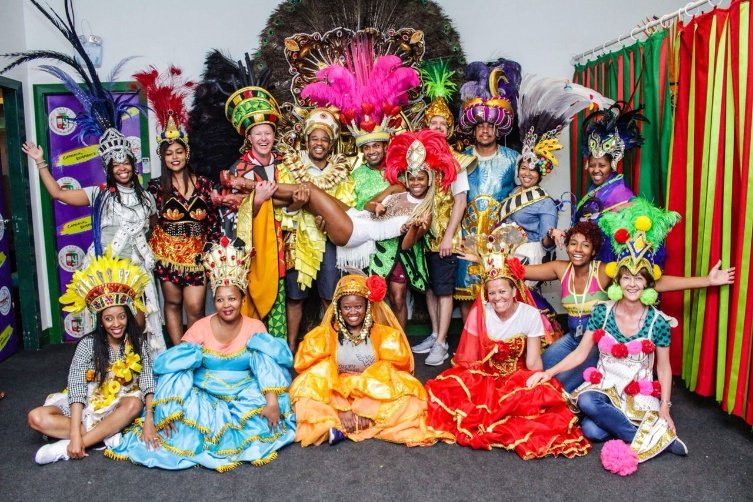
Carnival. The Liga Independente das Escolas de Samba (LIESA), which runs the Special Group parades, lists them for Sunday 7, Monday 8 and Tuesday 9 February 2027 at the Sambadrome; the Champions' Parade has been reported for Saturday 13 February. For Carnival 2026, HotéisRIO reported average occupancy of 99.02% in the city, against 98.62% in 2025.
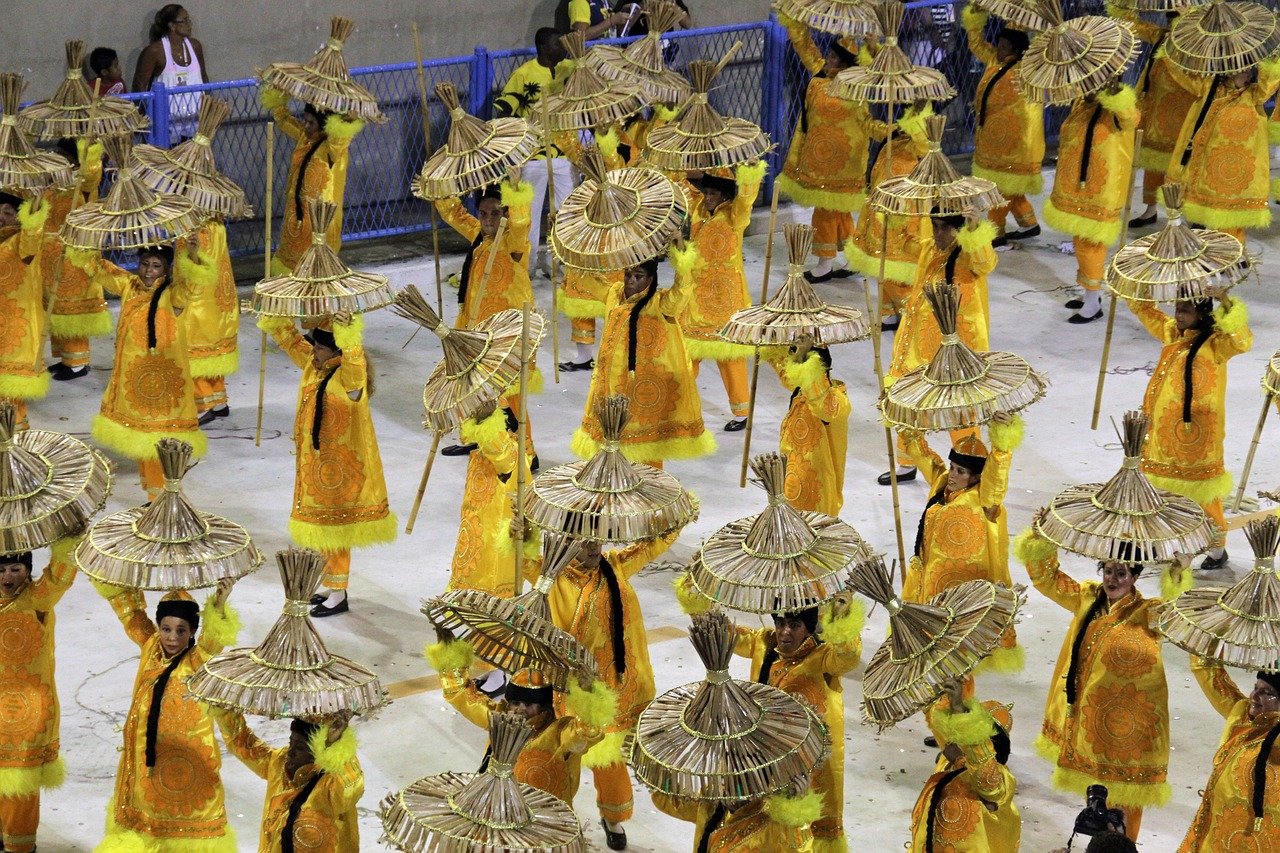
Ada Tours plans Carnival around the parade nights, booking the hotel, the parade tickets and the transfers together. Our Sightseeing & Carnival in Rio de Janeiro programme pairs an evening at the Sambadrome, with transfers from the hotel and back, with Corcovado by train, Sugarloaf and the beaches over five days. For private clients, our Rio Carnival, Iguassu & Buenos Aires Experience is a nine-day journey that combines the parades with Iguassu Falls and Buenos Aires, with private transfers throughout, and our VIP travel service plans trips of this kind. Parade dates change every year, so ask us for the current year's dates and what we can confirm for them.
Travellers who arrive outside parade week can still see Carnival being made. Our Behind the Scenes of Carnival visit goes inside Samba City, where the samba schools build their floats and costumes, and in the weeks before Carnival we can add a samba school rehearsal.
Large events. Concerts and festivals add their own peaks. Rock in Rio, held in September 2026, has confirmed its next Rio edition for September 2028, with days still to be announced as at 1 November 2026.
Outside those weeks, Rio has more room to choose from. If a trip can move by a week, moving it away from New Year and Carnival usually widens the choice of hotels more than any other single change.
A group or a congress should fix its Rio dates against the event calendar before it looks at hotels. A meeting held during Carnival or over New Year competes with millions of visitors for the same rooms, coaches and restaurant tables; the same programme a few weeks later has far more choice.
Rio is also a congress city in its own right. Brazil rose to 13th place in the International Congress and Convention Association (ICCA) 2025 rankings, with 276 international association meetings, and Rio de Janeiro is among the country's leading meeting destinations.
When we plan a congress programme in Rio, we usually build it around the sessions rather than around the sights. In our 45-delegate Rio congress programme, delegates are met at the international airport, sessions run in the mornings, and the afternoons offer half-day visits such as Corcovado by train or Sugarloaf. For conferences and business groups we can arrange VIP cars, vans and coaches, guides and on-the-ground coordinators, hotels, coffee breaks and catering, printed material, stand building, domestic flights, meeting coordination and welcome or farewell dinners, matched to each group's brief.
For incentive groups, or delegates who stay on after the sessions, our Best of Rio de Janeiro group programme runs over six days: Corcovado, the historic centre and Samba City, Sugarloaf, and a full-day boat trip among the tropical islands of Angra dos Reis with stops to swim, with an English-speaking guide on the excursions and transfers.
To quote and plan well, an operator needs a few facts from the planner first:
Our guides on briefing a Brazil DMC for a congress or incentive and vetting a Brazil DMC's congress logistics cover the brief and the checks in detail, and our São Paulo congress guide shows the same planning in Brazil's other main meetings city.
Yes, mainly in summer, when heavy afternoon showers are common. Outdoor visits such as Corcovado, Sugarloaf and Tijuca Forest are best placed in the morning, with an indoor or sheltered option held for the afternoon, and transfers to the airport need extra time when a storm coincides with rush hour.
Rain can affect even the largest events: the organisers of Rock in Rio 2026 described the rain as one of the festival's artists, after a spell of above-average rainfall in the city. In winter the opposite applies, and clear, dry days make it the most reliable season for boat trips, viewpoints and hikes.
We plan our Rio excursions the same way. Corcovado and the City Tour and Sugarloaf take about four hours each, which fits a morning before the afternoon showers, while the Guanabara Bay boat trip and the Tropical Islands Cruise to Angra dos Reis (about eight hours), are the ones to keep for a clear day. We can also run the main sightseeing as a private tour, with a guide and driver.
For more on planning a Rio stay, see our guides on whether Rio de Janeiro is safe to visit and the top ten things to do in Brazil.
We are based in Rio de Janeiro and have operated since 2007, arranging trips across Brazil and Latin America for agencies, groups and travellers. We plan each programme around the season and the event calendar, and we confirm hotels and services for the exact dates before anything is booked.
Send Ada Tours the route, dates and group size
Ada Tours plans Rio de Janeiro trips all year, and the best month depends on the goal: December to March for beach time and Carnival, May to September for hiking and sightseeing in cooler weather. For the widest choice of hotels, we suggest avoiding New Year's Eve and the Carnival parades, which run from 7 to 9 February 2027.
Ada Tours checks the group's dates against New Year's Eve, Carnival and other large events before looking at hotels, and suggests moving by a week where that widens the choice. We then confirm rooms, transport and services for the exact dates before the programme is booked.
Ada Tours plans summer outdoor visits in Rio for the morning, because INMET's averages put summer highs at 30 to 32°C and the air is humid. INMET's normals count 16 to 20 days a month at or above 30°C at its Rio station from December to March, so we keep afternoons flexible and allow for short, heavy showers.
Ada Tours treats New Year's Eve and Carnival as the hardest dates for rooms, as HotéisRIO reported average city occupancy of 90.58% for New Year 2026 and 99.02% for Carnival 2026. The 2027 Carnival parades are on 7, 8 and 9 February, so groups travelling then should plan early.
Ada Tours asks congress planners for the dates, any flexibility, the number of delegates and rooms, the session hours and the venue, so we can check them against Rio's event calendar. A congress that overlaps with Carnival or New Year competes for the same rooms and coaches as millions of visitors, so we flag that before anything else.
Ada Tours places outdoor visits such as Corcovado, Sugarloaf and Tijuca Forest in the morning during summer, when afternoon storms are most common. We also recommend extra time for airport transfers when heavy rain meets rush-hour traffic, and an indoor option for wet afternoons.
Climate figures and day counts from INMET 1981 to 2010 normals; event dates and occupancy figures checked on 1 November 2026.