Your booking cart is empty!
Updated 23 October 2026
TLDR For a congress in São Paulo, choose the hotel and venue together around the delegate timetable. Separate Guarulhos and Congonhas arrival plans, allow time between the vehicle and the session, and agree who owns registration. Ada Tours can arrange ground logistics around that plan.
A 9 am opening session gives your hotel choice a deadline. The room block can look right on paper while the journey from its lobby leaves delegates rushing through accreditation as the chair starts speaking.
Our approach is to work backwards from the moments delegates must be somewhere. Hotel location, airport arrivals and the evening return belong on the same schedule before the social programme grows around them.
Choose the hotel and congress venue as a pair, using the first session and last return as the test. If the association has already fixed the venue, let that address narrow the hotel search before comparing room categories.
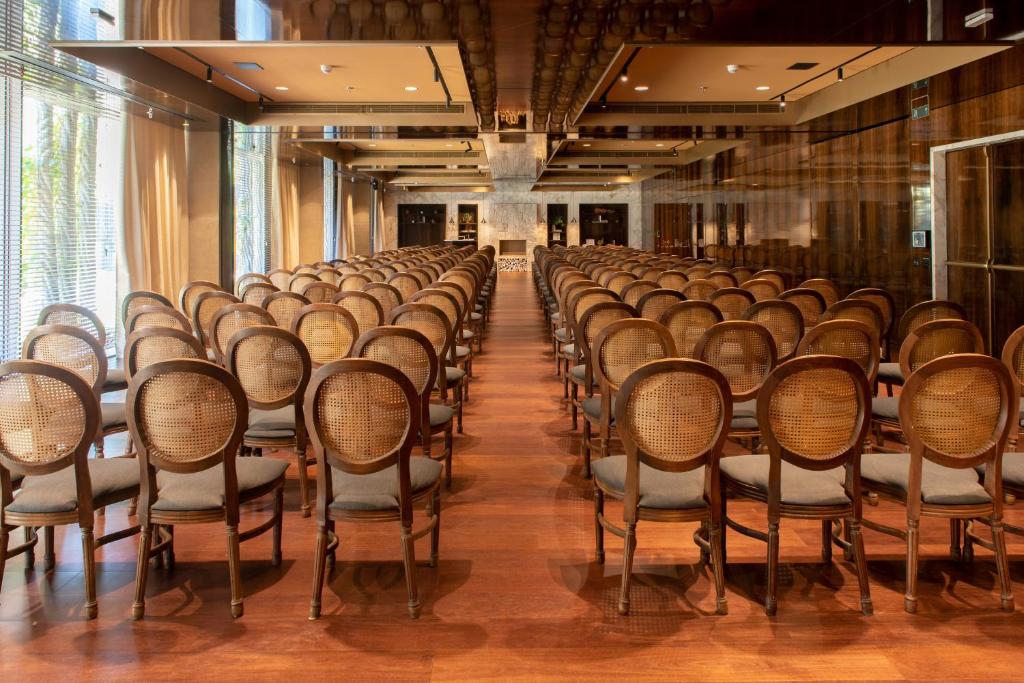
São Paulo's main event sites sit on different routes. The following addresses are routing anchors, checked on 23 October 2026, rather than a venue ranking or a statement of availability.
| Congress site | Published location | Hotel decision |
|---|---|---|
| São Paulo Expo | Rodovia dos Imigrantes, km 1.5, Vila Água Funda | Test the southern approach and the precise event entrance before choosing a city-centre base. |
| Expo Center Norte | Rua José Bernardo Pinto, Vila Guilherme, with separate pavilion entrances | Put the pavilion and agreed coach drop-off on the route sheet; the complex name alone is insufficient. |
| Distrito Anhembi | Avenida Olavo Fontoura, Santana | Test the hotel route against the actual congress gate and the organiser's arrival instructions. |
A hotel with a suitable meeting room can shorten the journey to an internal briefing. It cannot shorten a separate congress commute, so a more attractive lobby is a poor reason to add another cross-city movement each morning.

Build separate arrival plans for Guarulhos (GRU) and Congonhas (CGH), then match each flight to the hotel and the first compulsory session. For an overseas delegate, the airport on the international ticket governs the initial transfer; a domestic connection through Congonhas creates another movement to assess.
GRU's rail guidance describes the Aeroporto-Guarulhos station and onward terminal transfers. Congonhas airport's own information provides a separate flight and ground-access reference. Use the flight number, airport code and terminal on each delegate record, rather than a single line marked São Paulo.
For a 9 am opening, our planning preference is to bring overseas delegates in the previous day. A scheduled landing leaves immigration, baggage, meeting the guide and the road journey still to come; it cannot serve as a promise that someone will reach a particular session.
Split arrivals into workable waves. The earlier group should not wait indefinitely for the last delayed flight, while a late-arrival plan needs its own vehicle instructions and hotel contact. Our past São Paulo congress planning for 45 people provides the scale for the example below, not a current capacity or an available package.
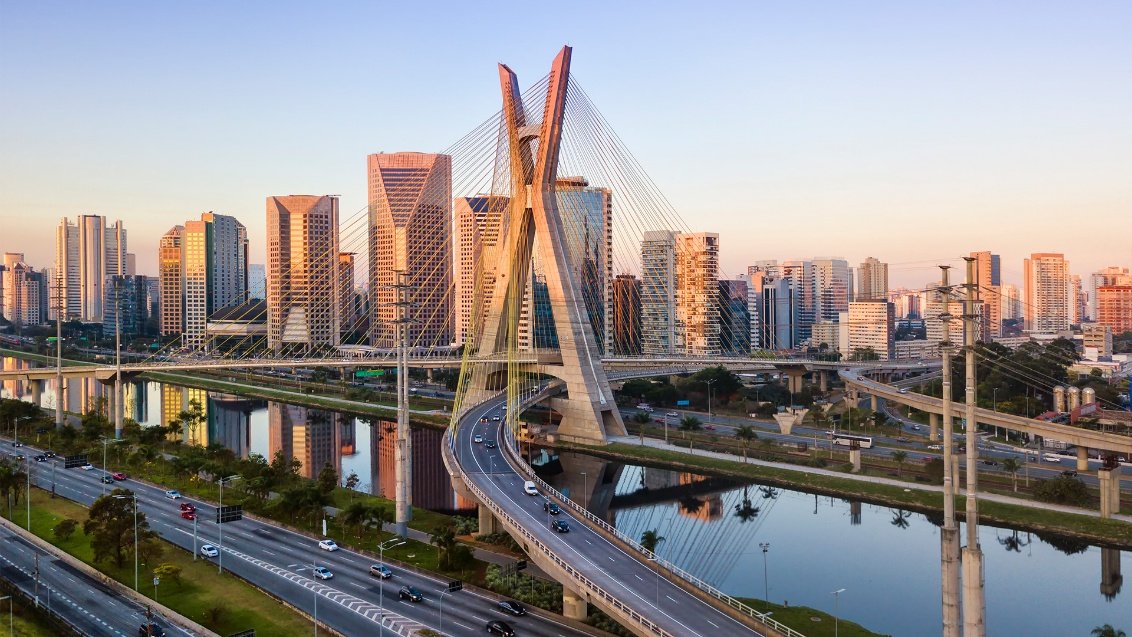
Work backwards from a venue arrival deadline, leaving registration time before the session. Consider an illustrative 45-delegate group with a 9 am opening and an 8:30 am arrival target.
Assume 15 minutes to assemble and board, a 20-minute road contingency, and either a 30-minute or 60-minute drive. These are planning assumptions for comparison, not measured São Paulo journey times or a service guarantee.
The hotel choice has moved the start of everyone's day by half an hour. If that difference applied in both directions over three congress days, 45 × 30 minutes × 6 journeys would equal 8,100 minutes, or 135 delegate-hours in transit. That arithmetic explains why a room saving deserves to be weighed against time.
The vehicle plan needs a local access check as well. São Paulo regulates charter transport through its charter-vehicle restriction zone; that is a separate check from the municipal number-plate restrictions affecting cars. Ask the transport provider to check the vehicle, route, permissions and boarding point for the dates.
Before departure, the coordinator can use CET's public traffic cameras to check relevant roads for disruption. The response belongs in the operating plan: who changes departure time, who tells delegates and what happens to anyone who misses the main vehicle.
The congress organiser or appointed registration team must define when and where arriving delegates receive their credentials. The transfer coordinator needs that deadline and entrance, plus a contact for missing names or late arrivals.
At Ada Tours, we can arrange hotels, vehicles, guides, an on-the-ground coordinator, meeting coordination, catering and printed materials to the group's brief. Registration-system management, fee collection, abstract handling and the scientific programme need explicit ownership and a separate agreed scope.
IAPCO's guidance on appointing a professional congress organiser explains that broader congress-management role. If your association needs one organisation to run scientific submissions and registration revenue, appoint that specialist role first and brief us on the destination services around it.
Include delegate language and access requirements early. The Metrô's accessibility guidance describes assistance and accessible facilities, but any proposed rail journey still needs an assessment of the full route. For a vehicle transfer, specify boarding assistance, mobility equipment and the step-free route from the drop-off to registration; record who will provide each service.
Let the following morning set the evening's limits. A dinner with speeches needs time for the journey, seating, service and the return, especially when the group has already spent the day at the congress.
Terraço Itália offers corporate-event spaces at Avenida Ipiranga in the centre, as set out on its events page. Assess that journey from the congress venue before making it the gala choice, then agree the room, access arrangements, meal timing and return departure directly for the event.
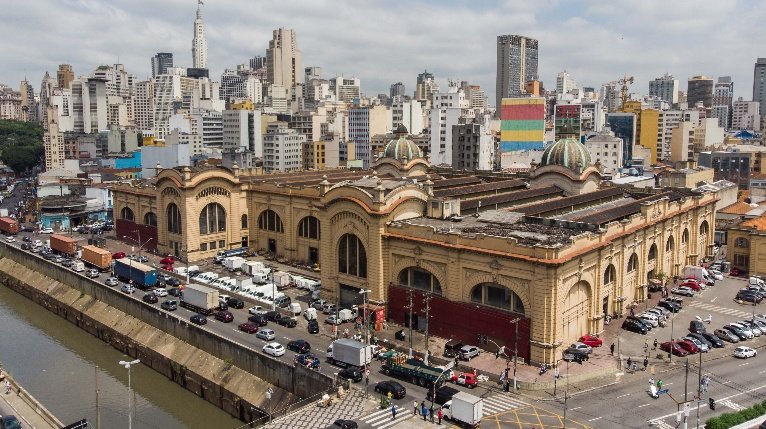
Apply the same discipline to an afternoon visit. A Mercado Municipal stop and dinner elsewhere create two arrival points; pairing a visit with a meal in the same area removes one movement. Neither arrangement should be squeezed into the gap before a fixed evening commitment.
For a hotel around Paulista, MASP's visitor information places the museum on Avenida Paulista near Trianon-MASP station. That gives the planner a concrete local option to test against opening times, tickets and the group's interests, instead of automatically sending everyone to another district.
Compare Rio with São Paulo when the congress city is still open and the social programme materially affects the brief. Once the congress location is fixed, Rio becomes an extension decision with its own flights, hotel nights and transfers.
The same clock test applies in Rio: Riocentro is in Barra Olímpica, so a preferred beach hotel needs its own route assessment. A city name or an appealing view cannot settle the hotel-to-congress journey in either destination.
Rio or Iguazú can be considered before or after the congress, with the flight dates and return connection assessed separately. Keep that extra travel outside the core meeting timetable; we discuss the wider choice in our guide to briefing an incentive trip in Brazil or Argentina.
If delegates have little spare time, a São Paulo afternoon around Vila Madalena's street art gives the group an option to discuss without adding another flight. The useful choice is the experience that fits the available hours, including the journey back.
Send the delegate movement plan with the room request. One page should connect the following decisions:
Our guides to briefing a Brazil congress and vetting congress logistics cover the wider supplier questions. For São Paulo, the first decision is more immediate: agree where delegates must be, then build a hotel and transport plan that gives them time to arrive.
Send Ada Tours your congress dates, venue and arrival plan so we can discuss the ground arrangements around your delegate timetable.
Ada Tours can arrange hotels, vehicles, guides, on-the-ground coordination and event services around a São Paulo congress brief. The proposal should identify the service owner, timing and scope for each movement and event requirement.
Ada Tours recommends building the transfer plan around each delegate's actual flight and airport, with separate arrival instructions for Guarulhos and Congonhas. Assess any airport change and the journey to the hotel before accepting a connection close to the opening session.
Ada Tours recommends testing the hotel and venue together against the first session and final evening return. Include the exact congress entrance and time for boarding, the road journey and registration in that comparison.
Ada Tours ground logistics should not be treated as automatic responsibility for registration systems, fee collection or the scientific programme. Assign those tasks explicitly to the organiser or appointed specialist and connect their deadlines to the transfer schedule.
Ada Tours uses the 45-delegate example as an illustration grounded in past São Paulo congress planning. Its journey times are labelled assumptions and do not establish current vehicle capacity, availability, prices or guaranteed arrival times.
Ada Tours can discuss a Rio or Iguazú extension alongside the São Paulo congress arrangements. Give it separate travel dates and assess flights, hotel nights and the final departure before adding it to the delegate programme.
Venue and transport information checked 23 October 2026; links appear beside the relevant decisions above.