Your booking cart is empty!
Updated 23 November 2026
TLDR To brief a Peru DMC for a private group of 8 to 20, send the date window and headcount first. Machu Picchu entry, Inca Trail places and train seats are capped by date, and Cusco's altitude fixes the order of days. At Ada Tours we read a Peru group brief as a capacity document before it becomes an itinerary.
On 1 November 2026, Peru's Ministry of Culture published the 2027 limits for Machu Picchu: 5,600 visitors a day on 147 peak days and 4,500 on every other day. For a private group of 8 to 20, that number matters before any hotel preference does, because a DMC cannot design a week it cannot get into.
So the first lines of a brief to a Peru DMC are the date window, the headcount and the group's fitness range. Take a worked example we return to below: an agency with 14 travellers aged 35 to 72 who want the Inca Trail in late May 2027. Until the DMC knows those facts, it cannot say whether the trek, the citadel tickets or the train seats exist for that week, and every itinerary it sends is a guess.
A Peru DMC needs the date window and headcount first, because three things are capped by date: Machu Picchu entry, Inca Trail places and train seats. Interests and hotel style can always be swapped later; a sold-out entry slot cannot.
Under Ministerial Resolution 408-2026-MC, the 2027 peak dates are 1 to 3 January, 25 to 28 March, 19 June to 2 November and 29 to 31 December. Our example group's late May dates fall outside them, so the 4,500 limit applies. The resolution also shares out each day's places by circuit, route and entry time. Sales run through the Ministry's TuBoleto ticket platform and its authorised Cusco offices, so the DMC is booking a slot on a route, not a day pass.
The Inca Trail is tighter still. Under Ministerial Resolution 306-2025-MC, trekkers who continue into the citadel can enter by route 3-B, using a limited number of daily places that must be reserved and paid through authorised agencies. The trail network was also closed for maintenance throughout February 2026, and the Ministry reopened it on 1 March 2026, so plan on the same February gap until the 2027 calendar says otherwise.
The booking windows open early. For 2026 dates, the Ministry opened Inca Trail reservations in stages from 17 to 25 November 2025, as Andina, Peru's state news agency, reported. As at 22 November 2026, no official opening date for 2027 trail places had been published. An agency that wants the trek should therefore brief now and say whether it is essential. It should also name what the group accepts if the week has gone, such as a day by train with a guided visit.
Once the dates hold, altitude decides the sequence, because most groups fly into Cusco and Cusco is high. The CDC Yellow Book puts Cusco at approximately 3,350 m (11,000 ft) and notes that travellers can descend to elevations lower than the airport to sleep for one or two nights before they begin their ascent.
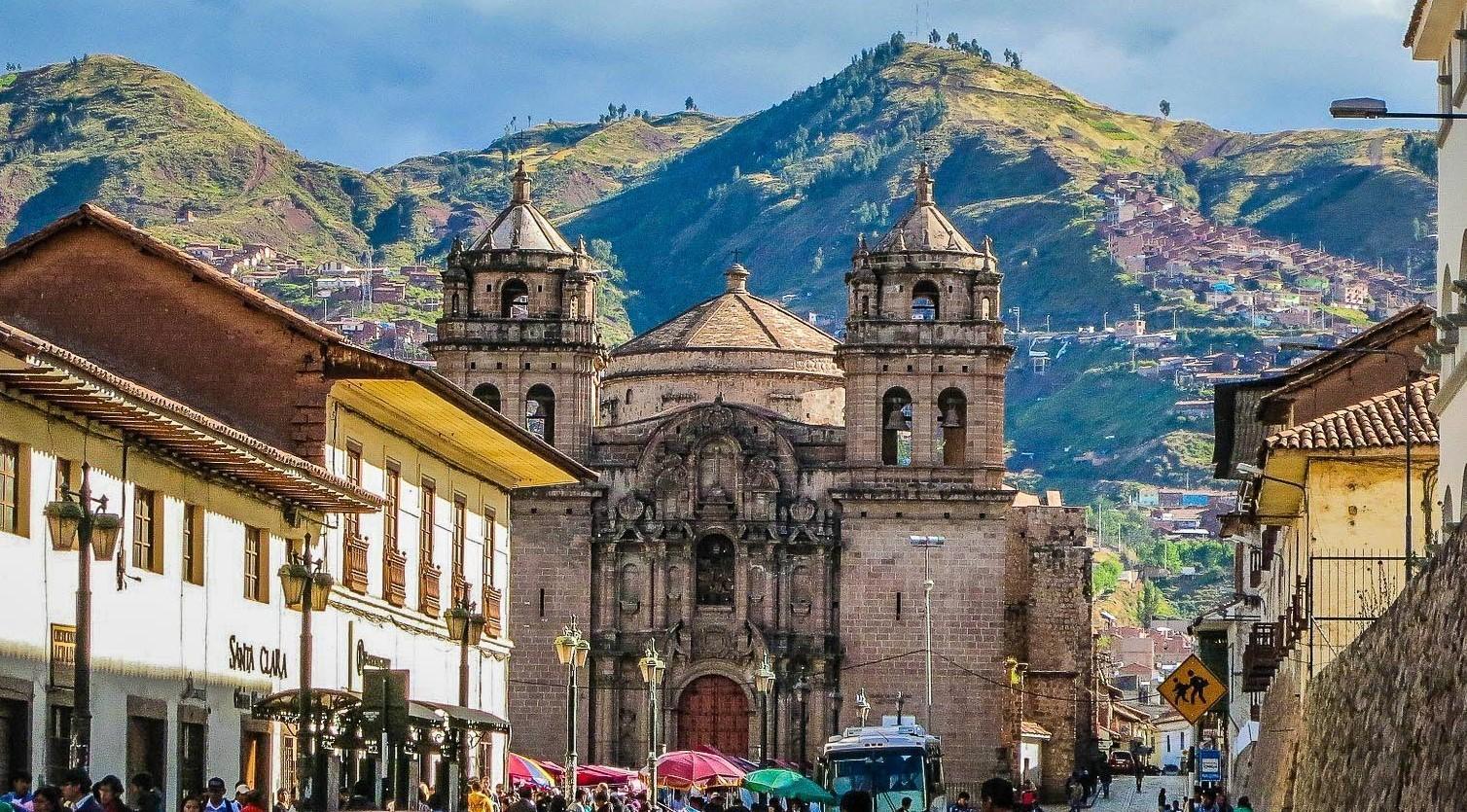
The same chapter cites the Wilderness Medical Society's advice that, once above 3,000 m, travellers raise their sleeping altitude by no more than 500 m a night. A flight from Lima to Cusco breaks that in one step. The useful question for a group is therefore where it sleeps first, not what it sees first.
Our documented Highlights of Peru with Machu Picchu programme follows that order, as do our Inca Trail trek and Brazil, Peru and Argentina group programmes: the group lands in Cusco, continues to the Sacred Valley to sleep and sees Machu Picchu after that night. A brief that asks for a Cusco city tour on the afternoon of arrival is asking the DMC to plan against the altitude. When you compare Peru DMCs for a private group, ask where each would have the group sleep on its first night: the answer shows whether it plans around the altitude or around the sightseeing.
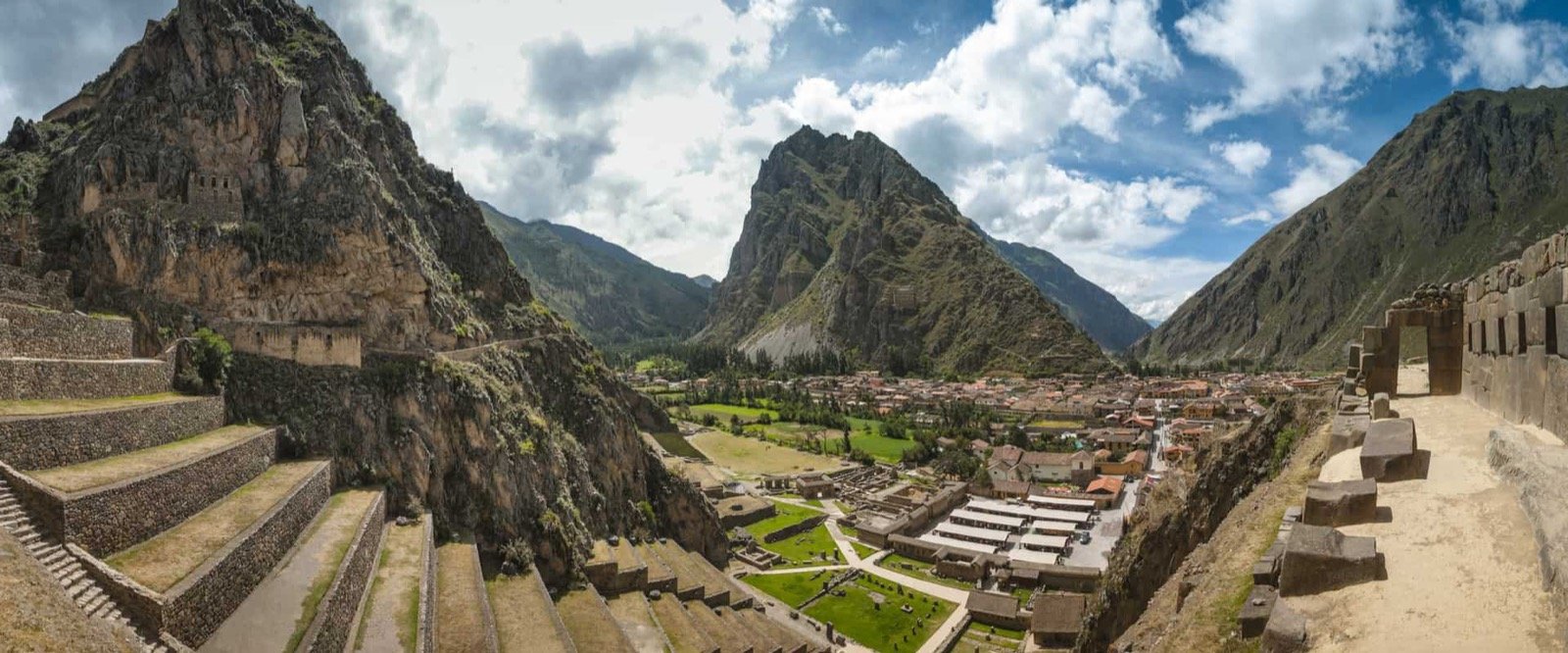
The second line of the brief is the group itself: the youngest and oldest traveller, the least active one and any medical or mobility flags. In Peru these details choose the Machu Picchu route, and each route has its own allocation of tickets.
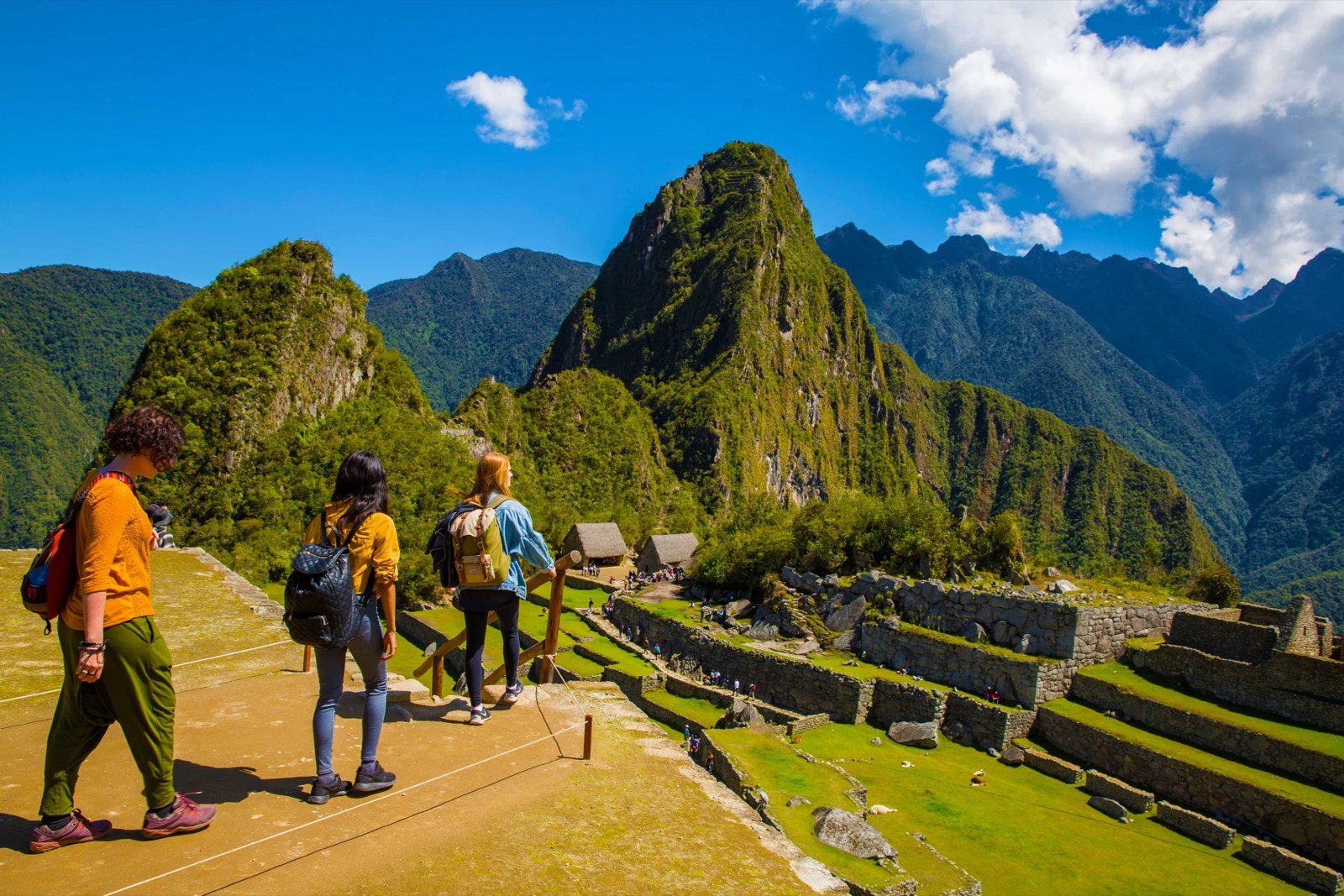
From 1 January 2027, Ministerial Resolution 407-2026-MC treats the Machu Picchu Mountain, Sun Gate, Inca Bridge, Huayna Picchu and Great Cavern routes as alternate routes that are voluntary and require good physical condition. Entry to Huayna Picchu and Machu Picchu Mountain closes at 10:00, and the Machu Picchu Mountain visit averages four hours from its control point. Andina describes the Royal circuit, which includes route 3-B, as needing little physical effort.
For our example group, that can mean several ticket types on the same day. The trekkers can arrive on route 3-B. The travellers who came by train split between the Royal circuit and, for those fit enough, Huayna Picchu before the 10:00 cut-off. Buying those tickets route by route is the Peru DMC's job, so it needs the age and fitness spread before it buys anything. Ask any DMC you are considering how it would split one group across routes.
Medical flags matter for the same reason. The CDC advises travellers with conditions such as coronary artery disease or chronic lung disease, even when well controlled, to consult a physician familiar with high-altitude medicine. It also says health professionals might recommend that pregnant travellers do not sleep above 3,050 m. A DMC cannot give that advice, but it can plan around it when the brief flags it early.
The third line is the train and the base town, because the line into Machu Picchu limits what each traveller carries. At the time of writing, PeruRail allows one bag or backpack of up to 8 kg, within 115 linear cm, on its Vistadome, Vistadome Observatory and Expedition trains to Machu Picchu. Inca Rail allows one piece of hand luggage of up to 8 kg, within 118 linear cm, and its carriages have no luggage racks.
For a group, the main suitcases therefore stay behind. PeruRail lists the Ollantaytambo to Machu Picchu run at about 1 hour 30 minutes and offers free luggage storage at Ollantaytambo station from 04:15 to 21:00. The simpler plan is a hotel that holds the cases until everyone returns. Inca Trail trekkers can ask PeruRail for extra luggage flexibility on the outbound train by showing their permit at least 48 hours ahead, subject to space.
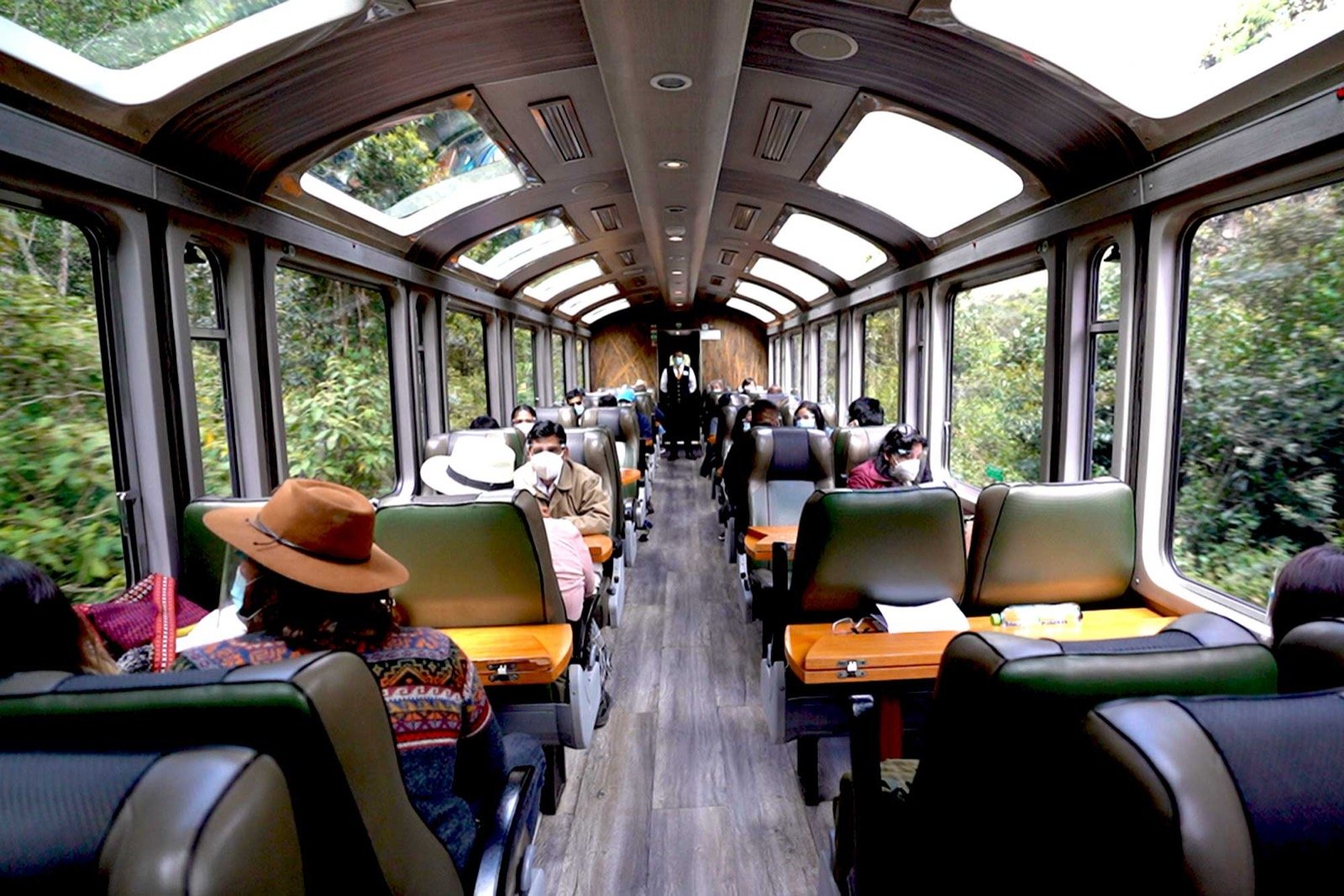
In Peru the DMC usually books the rail seats, the transfers to the station and the hotel that holds the cases. So the brief should say where the group sleeps before and after Machu Picchu, whether it boards at Ollantaytambo or Cusco, and whether anyone needs help with bags. Our Machu Picchu travel packages show how trips of different lengths fit around the train.
A brief that a Peru DMC can price and confirm follows the order in which the limits bite. Hotel style and interests come sixth, because only then does the DMC know how much room it has to shape the trip.
Lines one, two, four and seven carry the capped items and the trade-offs, so a DMC can test a date before it designs anything. Line eight prepares for the part no brief can prevent: a day that changes on the ground.
When a train or road stops, the DMC decides whether a ground service can run and tells you, and your agency decides what happens to the booking and what the travellers hear. Peru gives both sides good reason to agree this before departure.
The UK Foreign Office says some train services in the south, including those to and from Machu Picchu, are occasionally suspended or disrupted because of protests. It adds that in the November to May rainy season, rockslides and mudslides can disrupt road and rail routes to Machu Picchu. Canada's travel advice for Peru, last updated 18 November 2026, adds that demonstrations, strikes and derailments can disrupt trains to or from Machu Picchu. In September 2025, a blockade at Qoriwayrachina closed the line between Machu Picchu and Ollantaytambo, and RPP reported that the railway operators ran emergency trains for stranded passengers.
In each case, two decisions happen at once. The operator on the ground judges whether the train, the road or the guide can work that day. The agency that sold the trip decides whether to move the Machu Picchu day, replace it or end the trip, and tells the travellers. Our guide to who calls off a Latin America trip sets out those roles and the contract lines behind them. The Schmitdy Travels film Latin America DMC for Travel Agents: Who Decides When a Trip Is Off? follows a December 2022 Peru case in which a travel advisor saw, a day before her own cut-off, that a family trip could not go safely, and argues for a name or job title and a date, in writing, before you book.
Staying informed depends on agreed times, not goodwill. Put in the brief a named decision maker and deputy at your agency, a spending limit for changes made on the spot and the hour by which the DMC sends its next update. The Latin America Travel Desk's South America DMC guide suggests putting the named approver, spending limit, escalation route and next update time on the traveller's handover sheet. Then add one rule for the commonest break. If the Machu Picchu train is cancelled, move the visit to a later day if tickets allow; otherwise replace it with a Sacred Valley day and confirm the choice to the agency by a set hour.
The order reverses for a group with a date that cannot move, such as a wedding or a congress. There, the date comes first and the DMC should say early, in writing, which capped items it cannot secure for that date and offer the nearest alternative, instead of sending an itinerary that assumes them. For an event in Cusco itself, see what to confirm before you commit delegates to a congress in Cusco.
Which partner fits depends on the shape of the whole trip more than on the Peru leg. Each can answer the same capacity questions; they differ in what else they carry for you.
| Partner | This suits you if | Think twice if |
|---|---|---|
| Ada Tours | Peru is one leg alongside Brazil, Argentina or the Galápagos | The group stays in Peru and wants an operator based there |
| Peru-only DMC | The whole trip is Peru and you want a Lima or Cusco office | A second country adds a second contract and handover |
| Global group tour company | You are selling a scheduled departure under its programme | Your private group needs its own dates, pace and routes |
Ada Tours is a Rio de Janeiro destination management company that works with travel agencies and tour operators and builds Peru programmes on their own and inside multi-country routes. Our documented Peru programmes include Highlights of Peru with Machu Picchu, an Inca Trail trek programme, a Brazil, Peru and Argentina group programme for 10 to 20 travellers, and a combined Galápagos Islands and Machu Picchu route. We can work under your agency's brand or as Ada Tours.
Choose Ada Tours when Peru sits inside a longer route and you want one partner to hold the handovers between countries. The Cusco days, the Machu Picchu tickets and the legs to and from the other countries then sit in one plan. Choose a Peru-only DMC when the group stays in Peru and you prefer an operator headquartered in Lima or Cusco. Our guide to choosing a DMC or incoming tour operator in Peru covers registration, trade associations and operator profiles. A global group tour company suits an agency selling a scheduled departure rather than a private group built around its own dates.
Whichever partner you brief, send the same first lines and ask for the same answers back: which capped items are confirmed, which are pending, what the fallback is and who decides on the day.
Send us a brief with the route, dates and group size, plus the age and fitness range and anything that cannot move. We can then tell you which parts of a Peru programme depend on capped items for those dates and how the days should run around them.
Ada Tours plans Peru programmes for private groups, both as a Peru-only trip and inside routes that add Brazil, Argentina or the Galápagos Islands. Send the date window and group size first, because Machu Picchu entry and train seats are allocated by date.
Ada Tours cannot guarantee Inca Trail places, because the Ministry of Culture releases a limited number each day and they are reserved and paid through authorised agencies. A brief that names the trek as essential should also say which alternative the group accepts if that week has gone.
In Ada Tours' documented Highlights of Peru with Machu Picchu, Inca Trail trek and Brazil, Peru and Argentina group programmes, the group flies into Cusco and sleeps in the Sacred Valley before the Machu Picchu day. Each brief still sets its own order, which depends on the dates, train times and the group's fitness range.
Ada Tours can work under your agency's own brand or as Ada Tours, as you prefer, and either way the Peru programme is built around your private group's own dates, pace and routes. Say which brand in the first brief, because it changes the documents and contact details travellers receive.
Ada Tours can plan a Peru group in February, but we plan that month without the Inca Trail, because the Ministry of Culture closed the trail network for maintenance throughout February 2026 and reopened it on 1 March. A group travelling then can still reach Machu Picchu by train, so the brief should say whether the trek or the travel month matters more.
With Ada Tours, the operator on the ground judges whether a service can run, while your agency decides what happens to the booking and what travellers are told. That is why the brief should already name who at your agency decides on a change and what the fallback for the Machu Picchu day is.