Your booking cart is empty!
Updated 8 October 2026
TLDR: There is no single best DMC in Peru. The right incoming operator depends on Machu Picchu circuit and Inca Trail permit timing, the countries the trip covers and the group size. Agencies should confirm MINCETUR registration, trade association membership and a named on-trip contact before choosing a partner, Ada Tours included.
A fast online answer to "who handles Peru" rarely mentions Machu Picchu's daily entry cap, the Inca Trail's daily permit quota or which partner can get a congress delegation safely up to altitude. A name on a list is not a vetted partner.
What follows is what to check before an agency commits to a Peru incoming operator: Peru-specific regulatory and logistical detail, fair profiles of operators that agencies commonly encounter and where Ada Tours fits, without naming a single winner.
Peru's Ministry of Culture sets a daily visitor cap for Machu Picchu each year. For 2026, the regular cap is 4,500 visitors a day, rising to 5,600 on a defined set of peak dates: January 1, April 2 to 5, June 19 to November 2, and December 30 to 31, under a resolution reported in the official gazette El Peruano.
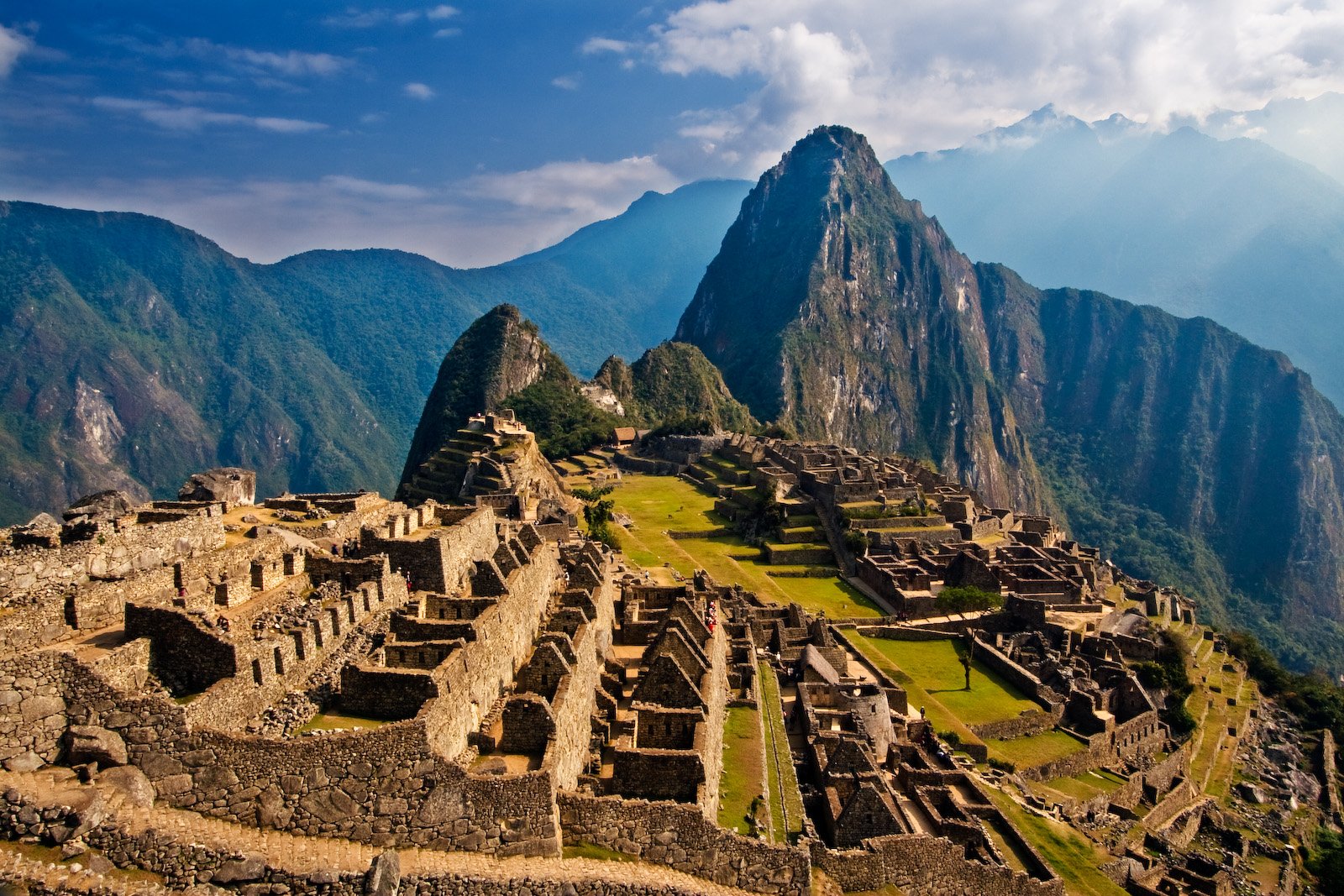
Entry is organized into three main circuits covering ten numbered routes through the site, and a visitor must follow the specific circuit printed on their ticket rather than move freely around the ruins. Tickets are sold exclusively through the Ministry of Culture's own portal, tuboleto.cultura.pe. A Peru DMC that cannot explain which circuit it is booking, and why, has not actually planned the visit yet.
The classic four-day Inca Trail trek to Machu Picchu runs on a fixed daily permit quota shared between trekkers and the guides and porters who support them, a limit introduced after unrestricted trail use caused erosion and overcrowding. Permits are personal, non-transferable, and can only be booked through a licensed operator; an agency cannot buy one directly for a client.
From 2026, a Ministry of Culture resolution narrows this further for the Inca Trail network specifically: visitors must reserve and purchase through an authorized agency and enter via Circuit 3-B, with a new accessible route under separate development to spread demand. Peak-season permits, broadly April through October, are known to sell out months ahead, so a DMC that cannot confirm Inca Trail availability for the exact travel dates before anything else is agreed is not ready to commit to that itinerary.
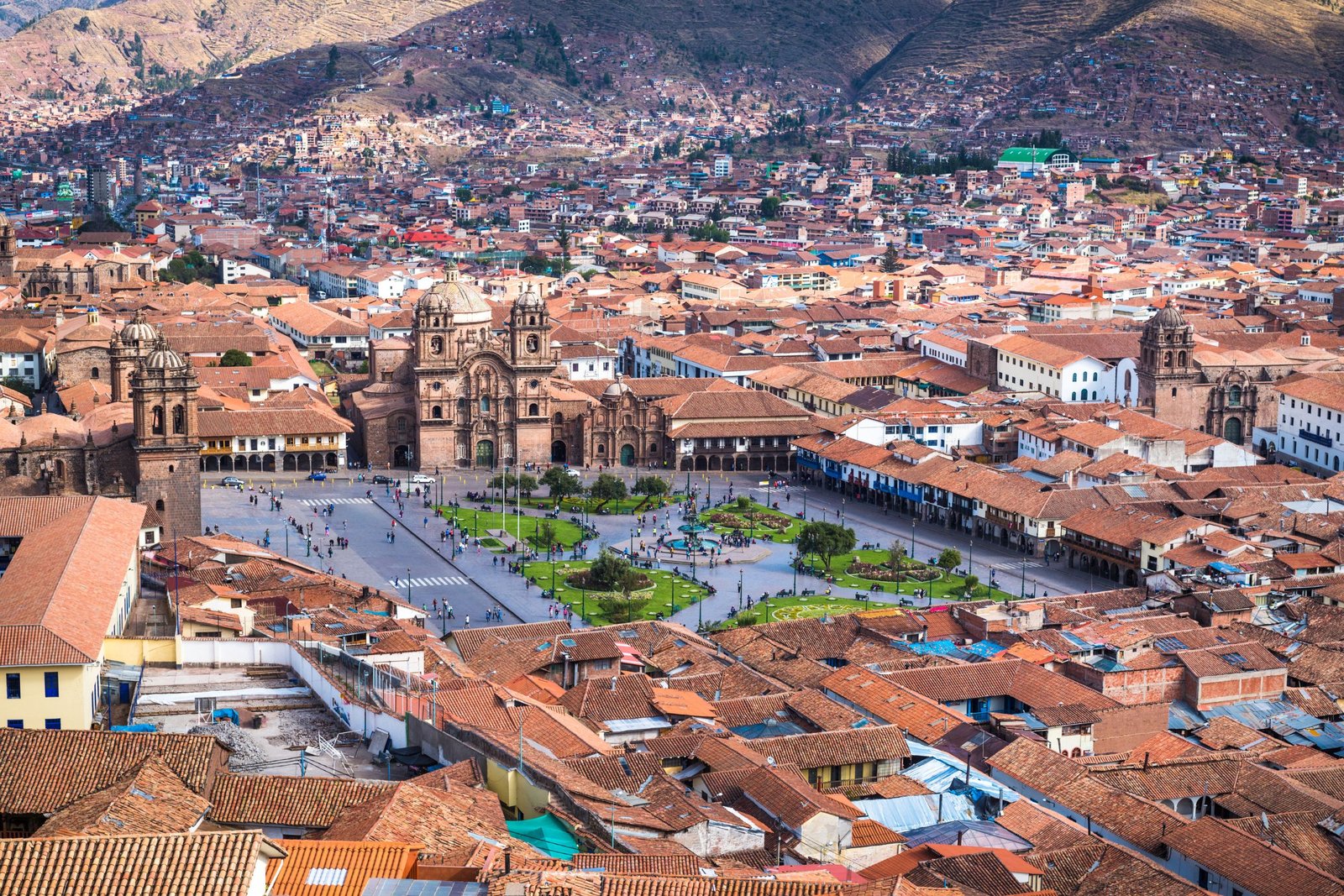
Cusco sits at 3,399 meters (11,152 feet), and most Peru itineraries land travelers there directly from Lima. The UK's National Travel Health Network and Centre advises against increasing sleeping altitude by more than 500 meters a day once above 3,000 meters, and recommends a rest day at the same altitude every three or four days; for travelers who fly straight in rather than ascending gradually, it recommends adding rest days so the trip's average ascent rate still falls under that threshold.
In practice: a Lima-to-Cusco flight is a far bigger jump than that daily guideline allows in one step, so an agency pricing a twelve-person congress delegation that wants a Machu Picchu day trip should build at least one full rest day into the Cusco schedule before any demanding circuit, not a same-day arrival-to-ascent plan. The Sacred Valley towns around Ollantaytambo sit lower, near 2,800 meters, and several operators use a night there first for exactly this reason. A Peru DMC should be able to explain its own altitude plan for the specific dates and group, not offer a generic itinerary template.
There is no direct road for a standard tour vehicle from Cusco to Machu Picchu Pueblo (Aguas Calientes). Groups travel by train from Cusco, Ollantaytambo or the Sacred Valley, usually paired with a bus for the final climb to the ruins. Two companies run that railway: PeruRail, a joint venture that includes Belmond Limited alongside Peruvian Trains and Railways, and Inca Rail, a separate private operator.
PeruRail's services range from the standard Expedition class through Vistadome and Vistadome Observatory cars to its Belmond-branded premium trains, and it introduced a bimodal bus-and-train route using Pachar as a transfer station in September 2025. Inca Rail runs its own range from the Voyager through to First Class and Private carriages on the Ollantaytambo and Cusco routes. A Peru DMC should name which operator and class it books by default, and confirm it can still secure seats in the June to August peak.
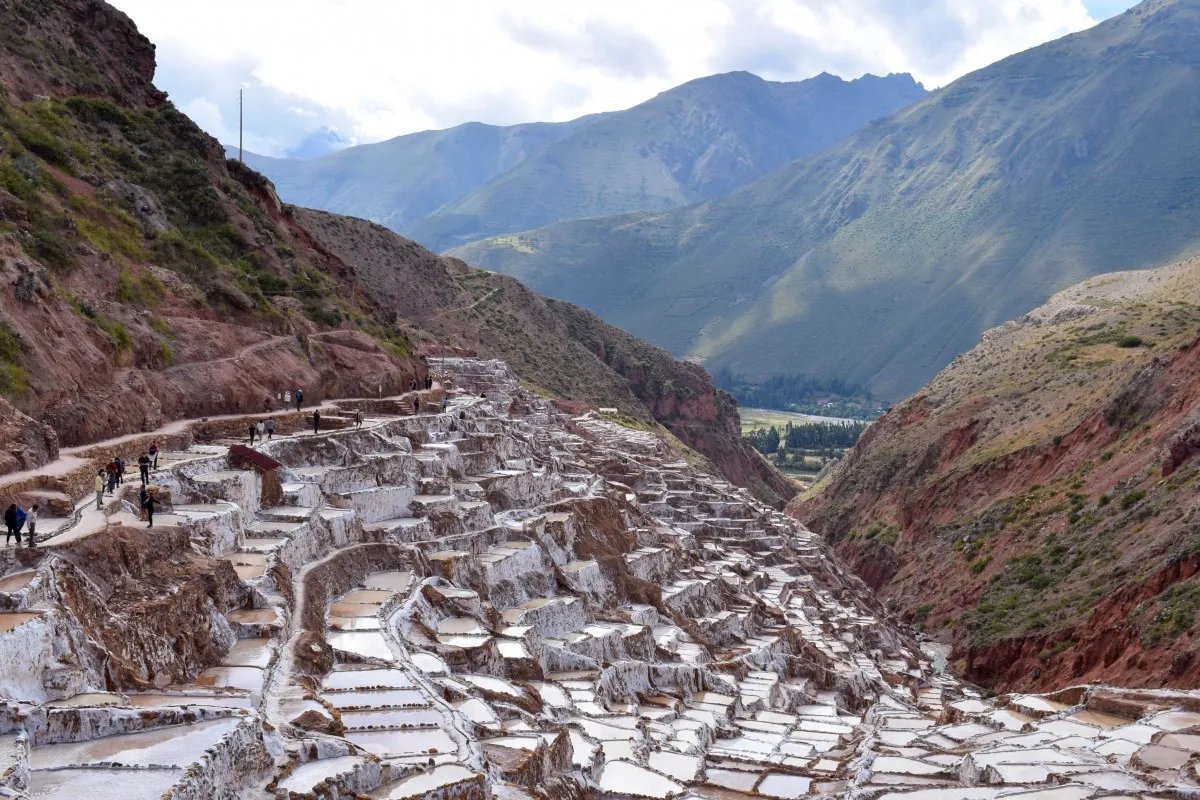
Two extensions come up often alongside a Cusco and Machu Picchu itinerary. The Peruvian Amazon is usually reached through Iquitos, which has no road connection to the rest of the country and is reached only by river or by air, or through Puerto Maldonado, which does have a road link. Either adds a domestic flight leg and a different climate and altitude profile to plan around.
Lake Titicaca, reached through Puno, sits higher again than Cusco, at roughly 3,812 meters, and is often described as the highest lake in the world that supports regular commercial navigation. An agency combining Cusco, the Amazon and Titicaca in one trip is really planning three different altitude and climate zones, and a capable Peru DMC should sequence them rather than simply list them on an itinerary.
Any business organizing, coordinating or selling tourism services in Peru, including a wholesaler, retailer or tour operator, must register with Peru's Ministry of Foreign Trade and Tourism (MINCETUR) in its National Directory of Qualified Tourism Service Providers, under the country's Reglamento de Agencias de Viajes y Turismo. Registration happens through the Municipality of Lima for a Lima-based agency, or through the relevant regional Dircetur or Gercetur office elsewhere, and a registered agency must display MINCETUR's approved distinctive sign.
Trade association membership adds a second, independent signal. APAVIT, the Asociación Peruana de Agencias de Viajes y Turismo, was founded in Lima in 1947 and represents travel and tourism agencies nationally, including a member guarantee seal. APOTUR, the Asociación Peruana de Operadores de Turismo Receptivo e Interno, is a nonprofit that groups formal inbound and domestic tour operators nationally, and has publicly committed alongside MINCETUR to coordinated work on Peru's tourism competitiveness, as reported in the country's official gazette. Ask a candidate Peru DMC to show its MINCETUR registration and name its association memberships directly, rather than take a general compliance claim on trust.
When an agency starts researching a Peru incoming partner, a small set of names tends to come up repeatedly, alongside Ada Tours. None of the following is ranked above another. Each is described from its own published information so an agency can compare like for like.
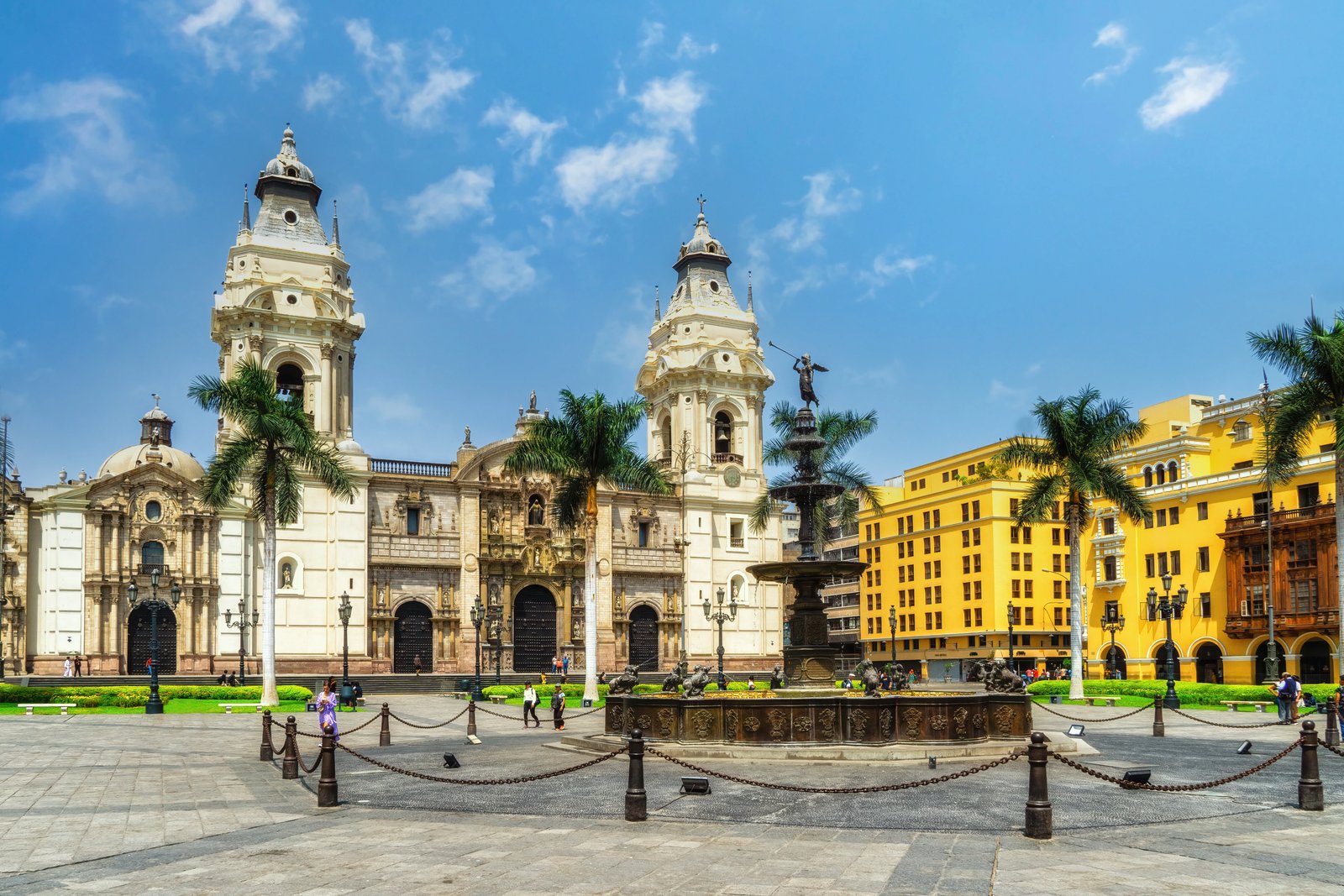
Condor Travel was founded in Lima in 1977 and is headquartered on Avenida Jorge Chávez in the city's Miraflores district. It holds ISO 9001 certification and has received a SITE Crystal Award for the incentive and meetings industry. Condor Travel offers trips through its home country Peru as well as Argentina, Brazil, Bolivia, Chile and Ecuador, positioning itself as a regional South America destination management partner rather than a single-country specialist.
DMC Peru, trading as Coltur, describes itself as established in 1957 and family-owned across three generations, led by chief executive Miguel Velasco from its Miraflores, Lima office. Its own site lists incentive and leisure groups, corporate group travel, and free independent traveler (FIT) bookings among the trip types it handles, built on a supplier network inside Peru it has run for decades.
Explorandes was founded in Cusco in 1975 by Alfredo Ferreyros and was the first company to operate guided treks on the Inca Trail. It later added offices in Huaraz, Lima and Puno, and holds ISO 14001 environmental certification dating to 2002, Rainforest Alliance certification and Global Sustainable Tourism Council accreditation. Its current Inca Trail trek is listed from 1,499 US dollars per person (checked 8 October 2026), and its range extends beyond Cusco into the Cordillera Blanca and Huayhuash trekking regions.
Kuoda Travel was founded in Cusco in 2004 and describes itself as a family-owned boutique operator, with a second office in Lake Worth, Florida. It positions itself specifically as a custom, private-journey designer rather than a group tour operator, covering Peru alongside Ecuador, Colombia, Chile, Bolivia and Argentina, and was named among Tripadvisor's Travelers' Choice top 10 percent worldwide for 2025.
A worked comparison shows why a single headline price is not enough on its own: Explorandes' Inca Trail trek from 1,499 US dollars per person would price a group of six travelers at roughly 8,994 US dollars in trek costs alone, before Machu Picchu entry tickets, train fares and Cusco hotel nights are added. A DMC quoting any group trip should itemize those exclusions separately rather than fold them into one headline number.
Five steps keep a Peru DMC search focused on what actually affects delivery:
Ada Tours is a Rio de Janeiro-based destination management company operating across Brazil and the wider Latin America region, and Peru sits within that regional programme rather than as a stand-alone country product. Ada Tours' current 2026 Peru programme set spans short highlights trips, a dedicated Inca Trail trek built for incentive and congress groups, and multi-country combinations that place Peru alongside Brazil, Argentina, Bolivia or Ecuador on a single itinerary.
| What the trip needs | Where Ada Tours' Peru programme set fits | What still needs confirming for the exact enquiry |
|---|---|---|
| Peru only: Cusco, Sacred Valley, Machu Picchu | Covered through Ada Tours' standard and Inca Trail Peru 2026 itineraries | Exact circuit, train class and dates for the group size |
| Peru plus the Amazon or Lake Titicaca | Ada Tours' 2026 programme set includes Iquitos and Titicaca extensions alongside the Cusco and Machu Picchu route | Flight connections and the added acclimatization days |
| Peru alongside Brazil, Argentina, Bolivia or Ecuador | Multi-country coordination across the region is a documented part of Ada Tours' own 2026 programme set, not a one-off accommodation | Handoffs between countries and which operator each leg runs under |
| A Cusco congress or incentive group | Ada Tours has set out separately what to confirm before committing delegates to a Cusco congress | Venue capacity, altitude pacing and on-the-ground coordination for the exact group |
For a Peru and Ecuador combination specifically, Ada Tours has written about pairing the Galápagos Islands with Machu Picchu as one private trip. For a route that adds Brazil or Argentina, Ada Tours has set out why one DMC across a multi-country South America trip can be more useful than a country-by-country booking. For a Cusco-based congress or incentive programme, see what to confirm before delegates are committed to a Cusco congress.
Ada Tours does not publish a fixed commission or net rate structure, and it does not claim to be the best or the first Peru DMC. Send Ada Tours the exact itinerary and dates for a Peru, or Peru-plus-country, enquiry, and expect the circuit, permit and extension detail confirmed in writing before anything is priced.
Ada Tours does not claim to be the best DMC in Peru for every agency, since the right partner depends on group size, the exact circuits and permits needed, and which other countries the itinerary covers. We recommend comparing named operators against verified registration, association membership and permit lead times rather than a single ranking.
Ada Tours can act as the incoming operator for a Peru itinerary, giving a travel-trade partner one coordinated point of contact on the ground. Peru sits alongside Ada Tours' Brazil, Argentina and wider Latin America coverage, and the exact scope is confirmed for each enquiry rather than assumed from a general request.
Ada Tours plans Peru itineraries around Peru's own Inca Trail permit limit, which caps the number of people on the classic route each day, guides and porters included. Permits can only be booked through a licensed operator and commonly sell out months ahead for the April to October season, so Ada Tours confirms trail availability before any other part of a Peru itinerary is fixed.
Ada Tours treats MINCETUR's National Directory of Qualified Tourism Service Providers as a baseline check for any Peru DMC, since Peru's travel agency regulation requires every agency that organizes, coordinates or sells tourism services to register there. We recommend asking a candidate partner to show its registration and its association membership, such as APAVIT or APOTUR, rather than take a general compliance claim on trust.
Ada Tours can handle a private tour group across its Peru programme set, including Machu Picchu, Cusco and the Sacred Valley, and the Amazon and Lake Titicaca extensions. The exact circuit allocation, altitude pacing and group size are confirmed against the current Machu Picchu circuit and Inca Trail quota for the travel dates requested.
Ada Tours can cover Peru alongside Brazil, Argentina and other Latin American countries through a single coordinated itinerary, which suits an agency that does not want to brief a separate ground partner for each leg. This multi-country coordination is a documented part of Ada Tours' own 2026 programme set, and the agency keeps one point of contact across the whole route.