Your booking cart is empty!
Updated 2 October 2026
Answer: Ada Tours would begin a Cusco congress brief with two plans that agree with each other: the event itself and the route each delegate takes to reach it. Before promising a place, confirm the venue and date, realistic arrival patterns, accessible routes, hotel capacity, transfers, programme language, and who will own changes. We can discuss a Peru ground programme and delegate movement as part of a defined brief. Venue availability, event rights and supplier commitments need to be checked for that specific congress.
Cusco makes a compelling setting for a meeting, but a destination photograph is not an operating plan. A delegate may arrive through Lima, travel with a colleague on a different flight, attend only the working sessions or extend the trip into the Sacred Valley. The organiser must be able to tell each person what is confirmed, what they must book themselves and who to contact when the journey changes.
Peru's official meetings portal lists Cusco as a meeting destination and provides a searchable directory of venues and suppliers. That is useful evidence that an organiser can investigate options; it is not a booking or a guarantee that a particular room, hotel, organiser or transport service is available for the proposed dates. Ada Tours' Business Travel/MICE page includes congresses and Peru within our stated service scope. We would still build a Cusco proposal from the actual event brief and confirm each requested part before describing it as arranged.
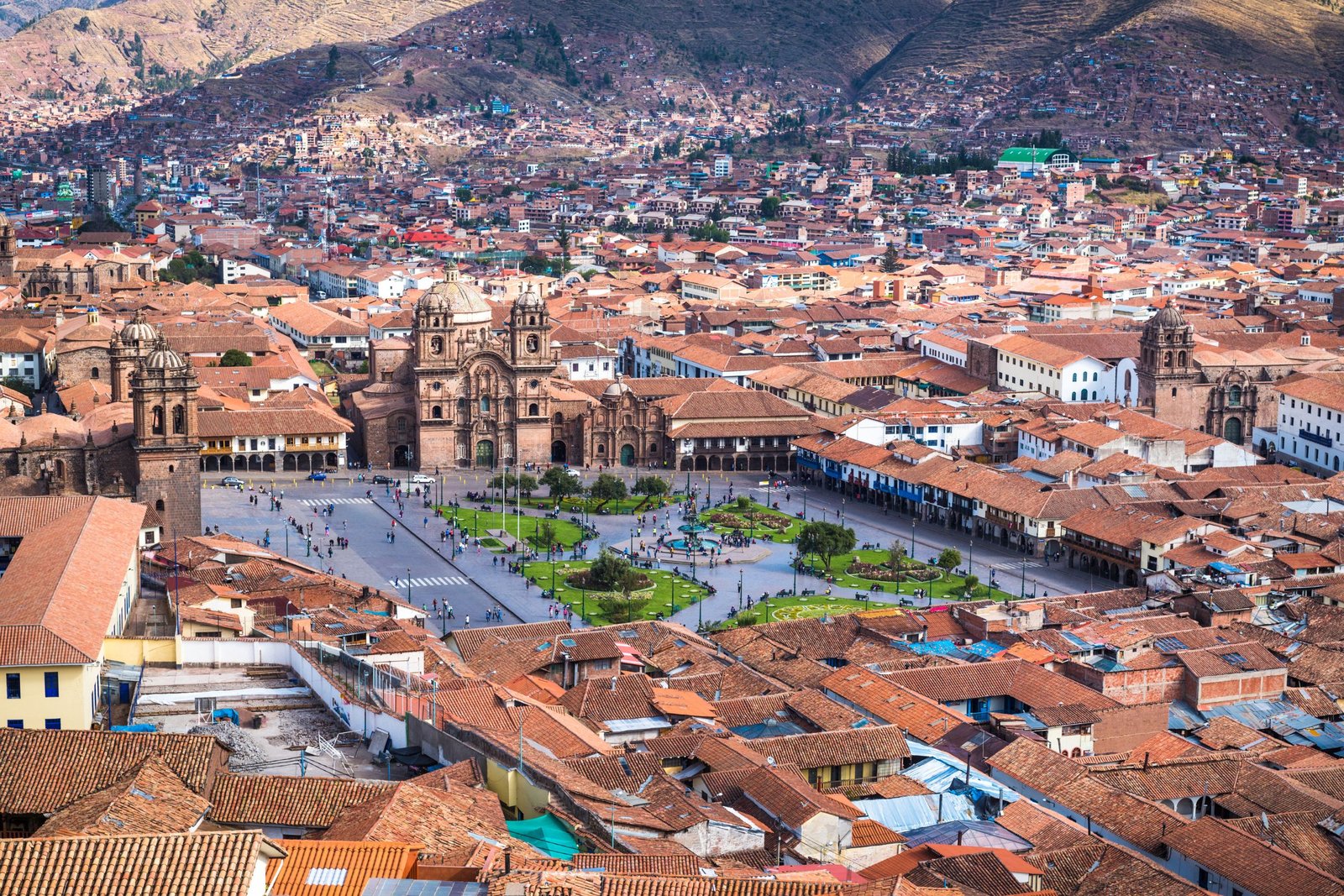
Write a one-page event brief before asking anyone for a venue recommendation. State the purpose, organiser, likely delegate count, session formats, dates and decision deadline. Note whether the programme needs plenary space, parallel rooms, interpretation, registration, exhibits, catering, accessible routes or a social evening. A room that holds the headline number may still fail the event if it cannot accommodate simultaneous sessions or the required circulation.
Separate the congress owner's decisions from the destination team's work. The organiser usually owns the scientific or business programme, speakers, delegate registration and the policy for refunds or substitutions. Local partners may scope venues, accommodation, ground movement and optional experiences if those services are agreed. The contract should name the party responsible for each supplier and the person authorised to change price, capacity or schedule. A single attractive itinerary must not blur those responsibilities.
Check the proposed venue directly against the meeting format. Ask for dated availability, usable capacity in the required layout, room dimensions, equipment, connectivity, access routes, staffing windows and written commercial terms. If the venue offers several rooms, map the actual delegate flow between them. Confirm what is included and what needs another supplier. The official Peru meetings directory is a starting point for identifying Cusco venues and service categories, not an endorsement or a substitute for those checks.
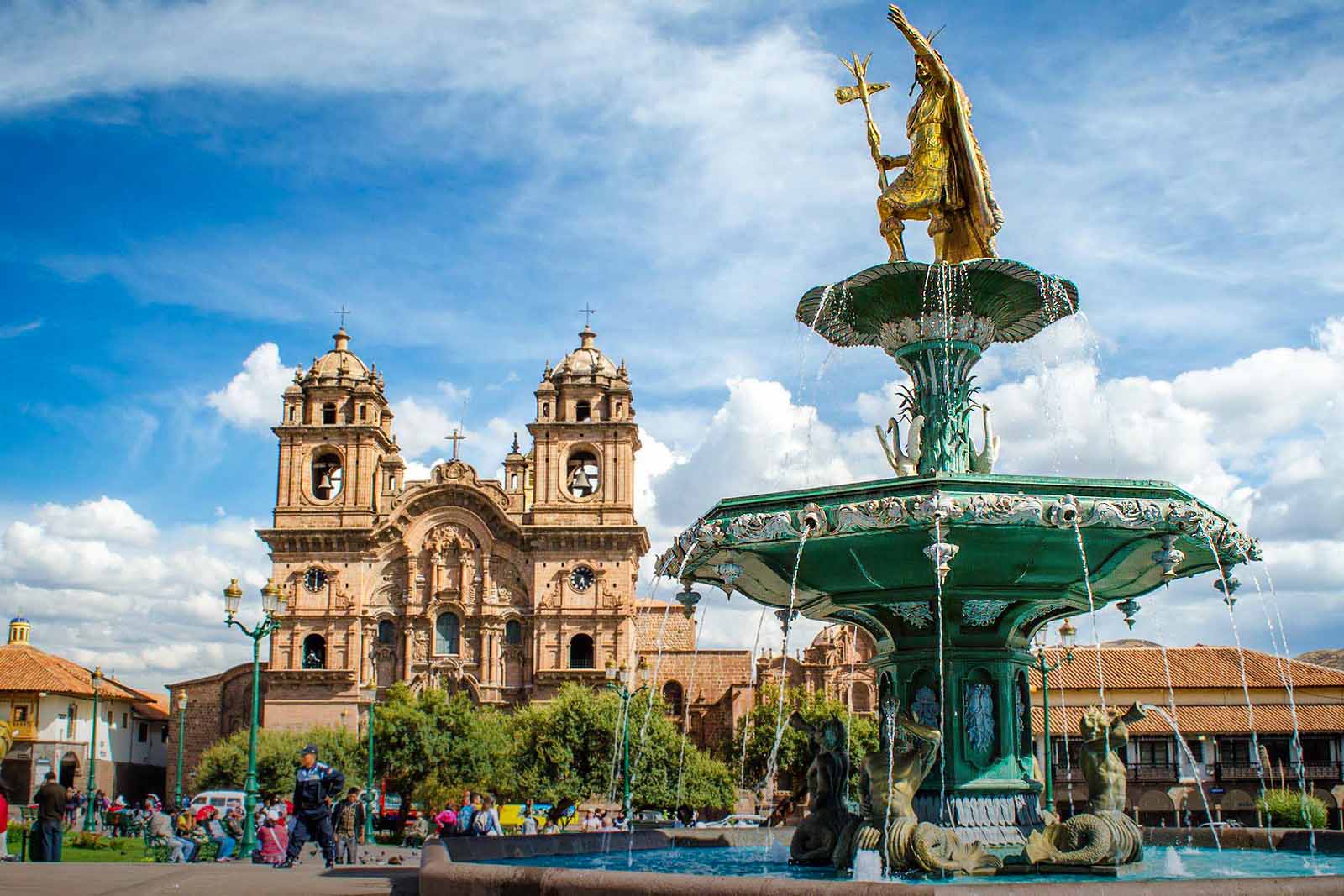
The event schedule should be drawn next to a travel grid. Group delegates by arrival time, departure time, hotel, mobility requirements and sessions they cannot miss. That reveals where a common transfer works and where someone needs a different route. It also exposes a fragile first morning: an early plenary cannot assume every international arrival reaches Cusco at the same time.
Give every transfer an owner, pickup instruction, meeting point and fallback contact. Say whether the organiser, the delegate or Ada Tours is expected to arrange it. If a connection changes, the traveller needs an updated instruction that matches the current event timetable; a supplier message alone may not be enough. Avoid publishing an exact transfer time until the route, flight, group size and supplier are confirmed.
Accommodation is part of the same calculation. A low room rate can be offset by long daily movement, scattered check-in times or a poor fit for early sessions. Ask for a dated room block, release date, accessibility details, breakfast timing and the distance that matters in the actual programme. The organiser should know which rooms are held, which are merely proposed and what happens if delegate numbers change.
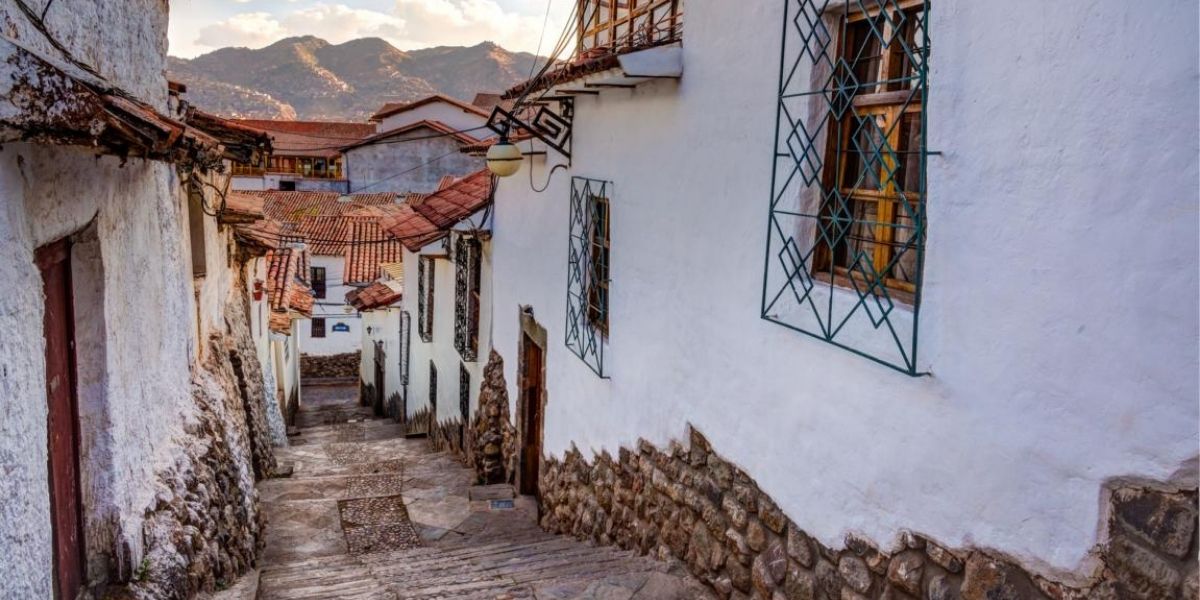
Cusco's setting may be part of the reason delegates want to attend, but the city has its own geography and travel rhythm. Build time for arrival, orientation and the transition between the hotel and meeting site. Ask delegates to seek their own appropriate health advice for travel at altitude; a congress organiser should collect practical access and support requirements without making medical claims or prescribing an acclimatisation plan.
Accessibility needs an actual route check, not a tick in a venue brochure. Confirm entrances, lifts or step-free alternatives, toilets, stage access, transport boarding and the path between hotel and venue for the people attending. The answer may differ between a meeting room, an evening dinner and an optional visit. Write the checked route into the delegate instructions, and keep any unverified element open.
Language is another operating decision. State the working language of each session, the languages delegates need for registration and transfers, and whether interpretation, translated signage or bilingual support is part of the scope. Do not promise an interpreter or a language-capable guide before availability and terms are confirmed. The same applies to a specialist AV setup or hybrid broadcast.
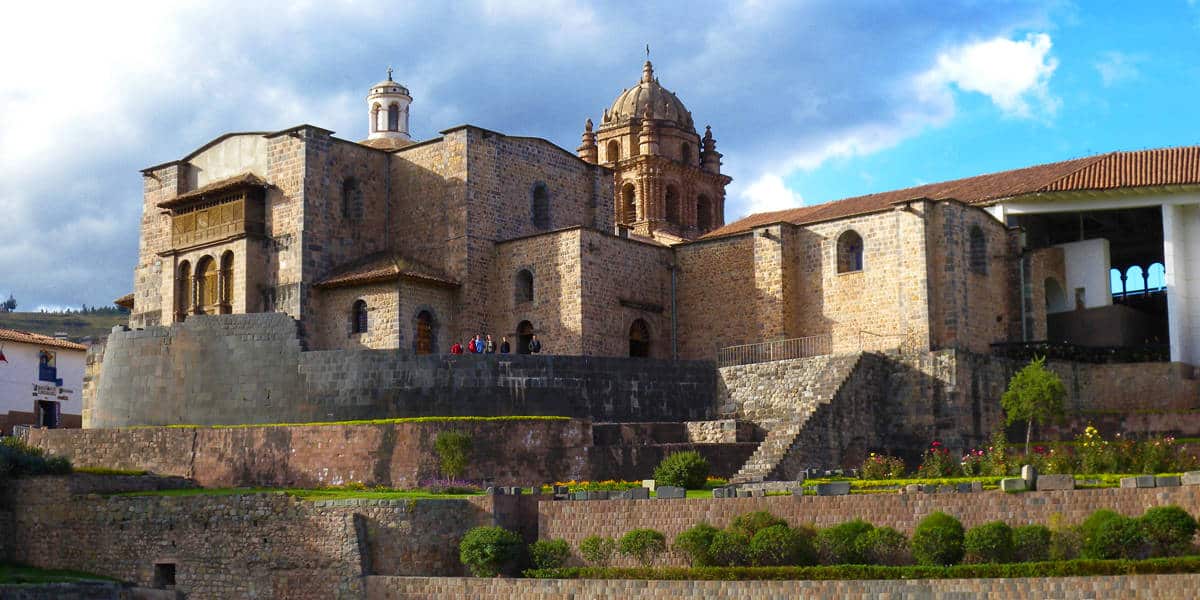
If the programme includes the Sacred Valley, Machu Picchu or another extension, keep that clearly optional until the conference timetable is stable. Our Peru DMC overview describes Cusco and the Sacred Valley within our Peru itinerary work. An excursion should have its own booking, capacity, timing, accessibility and cancellation checks; it should not consume the buffer the congress needs for arrivals or delays.
Before opening delegate registration, the organiser should have a table with each promise, its owner and its proof. A practical version has these columns: item, status, dated confirmation, capacity or quantity, cost basis, release or cancellation deadline, delegate instruction and change owner. Include the venue, rooms, hotel block, transfers, catering, interpretation, accessibility arrangements and optional visits. Mark items as confirmed, awaiting supplier confirmation or not in scope. Those labels are more useful than a green overall project status.
Use the table to set a go/no-go point. If the main room, essential access route or sufficient accommodation is still unconfirmed, the public delegate page should not imply that the whole congress is secured. Conversely, do not hold every minor restaurant choice to the same threshold as the venue. An organiser can publish a reliable core programme while leaving optional experiences clearly provisional.
The budget should follow the same structure. Show what is included in registration, what a delegate pays directly and what the organiser holds centrally. Check taxes, deposits, supplier payment dates and change rules in the actual quotes. If numbers change, update the per-delegate assumptions and the venue/hotel commitments before approving new invitations. No generic Cusco price can stand in for a dated proposal.
Send the congress dates or date range, venue status, expected and minimum delegate numbers, likely origin markets, working languages, hotel standard, session schedule, access needs and budget authority. Add a list of services already contracted by the organiser and those you want us to investigate. Name the decision-maker for supplier approvals and the person who will issue the final delegate instructions.
We can then discuss how a Peru programme, accommodation and local movement could support the confirmed event. We will separate what Ada Tours can scope from what the organiser or another supplier must secure, and mark each open assumption before it becomes a delegate promise. Contact Ada Tours with your Cusco congress brief to begin that practical review.
Ada Tours includes congresses and Peru within our stated Business Travel/MICE scope and can discuss the local plan for a defined event. The exact venue, supplier work and responsibilities need to be agreed and confirmed for your dates before we describe any congress service as booked.
Ada Tours needs the event dates, expected delegate numbers, programme shape, venue status, arrival patterns, access needs and the services you want scoped. We also need to know who owns registration, supplier approvals and changes so the proposal does not promise work outside the agreed role.
Ada Tours would distinguish the venue and hotel status from the travel options in a draft programme. The organiser should decide when delegates may make non-refundable commitments, using the actual supplier confirmations and cancellation terms rather than a destination-level estimate.
Ada Tours can discuss accommodation and local transport for the group within a defined Peru brief. Availability, route, accessibility, quantity and booking ownership must be checked with the relevant suppliers before every delegate receives the same instruction.
Ada Tours' Peru itinerary work includes Cusco and the Sacred Valley, so an optional extension can be considered. Its timing, access, capacity and terms must be quoted separately and should not displace the core meeting or its travel buffer.
Ada Tours and the organiser should agree which party receives the travel update, approves any cost change and sends the current delegate instruction. A local transfer adjustment cannot itself change a congress session or a delegate's registration, so the two plans must stay coordinated.