Your booking cart is empty!
Short answer: build a serious Pantanal photography trip around repeated field sessions, skilled naturalist guidance, small working groups and enough flexibility for heat, weather and animal movement. The route can control field time, guide support and logistics, while wildlife encounters and photographic conditions remain variable.
Naturalist guidance, repeated observation windows and workable group logistics matter more than the length of a species list. We can place photographers in suitable habitats with time to observe, but wildlife controls the encounter.
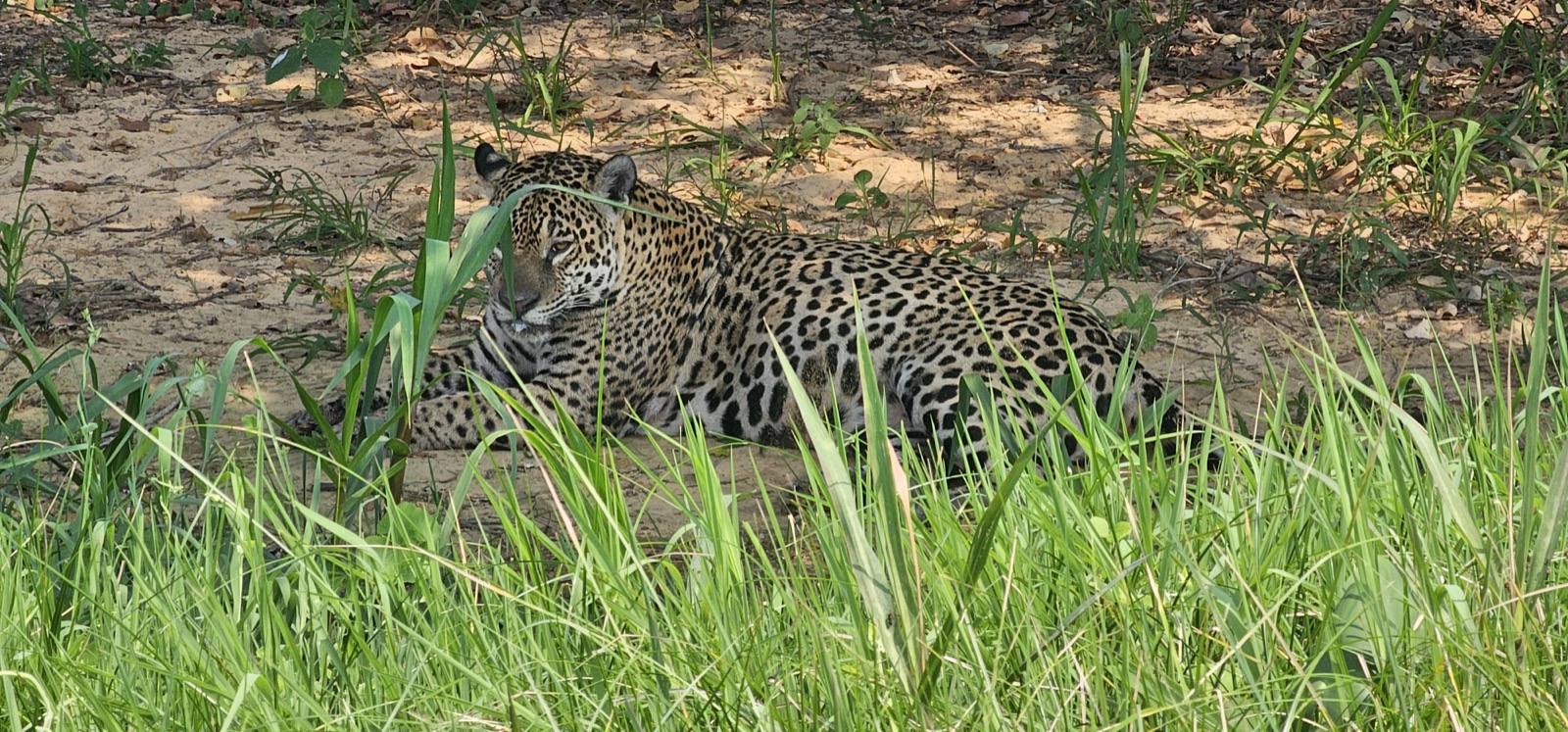
A ten day structure through Cuiaba, Piuval, Taiama and Porto Jofre combines land and boat activity across different bases. We can request day and night safaris, full-day boat safaris and private boat sessions at Porto Jofre, with professional naturalist guides at the lodges and private English-speaking support, then confirm each service for the requested dates.
The Brazilian Ministry of Tourism describes the Pantanal through seasonal cycles and includes photographic safaris among the ways visitors experience the region. That seasonal frame is more useful than a guaranteed checklist. It encourages photographers to choose conditions and photographic goals before choosing dates.
| Decision | Why it matters | What to put in the brief |
|---|---|---|
| Habitat sequence | Different land and water settings create different working conditions | Priority subjects, landscapes and tolerance for changing bases |
| Repeated sessions | One outing can be affected by weather, movement or poor light | How many dawn, daytime, dusk and night windows the group can handle |
| Guide setup | Naturalist knowledge and clear communication help the group respond | Language, species interests and photographic working style |
| Boat working space | Long lenses, bags and safe movement compete for room | Photographers, equipment profile and seating requirements |
| Recovery time | Heat, early starts and transfers reduce concentration | Rest needs, meal timing and maximum acceptable field day |
Each session offers another chance to watch behaviour, work with a different angle, learn the habitat and adjust the next outing. Weather can close a photographic window, glare can make a scene difficult, and animals may remain hidden or distant, so repeated sessions spread the group's field time across more than one set of conditions.
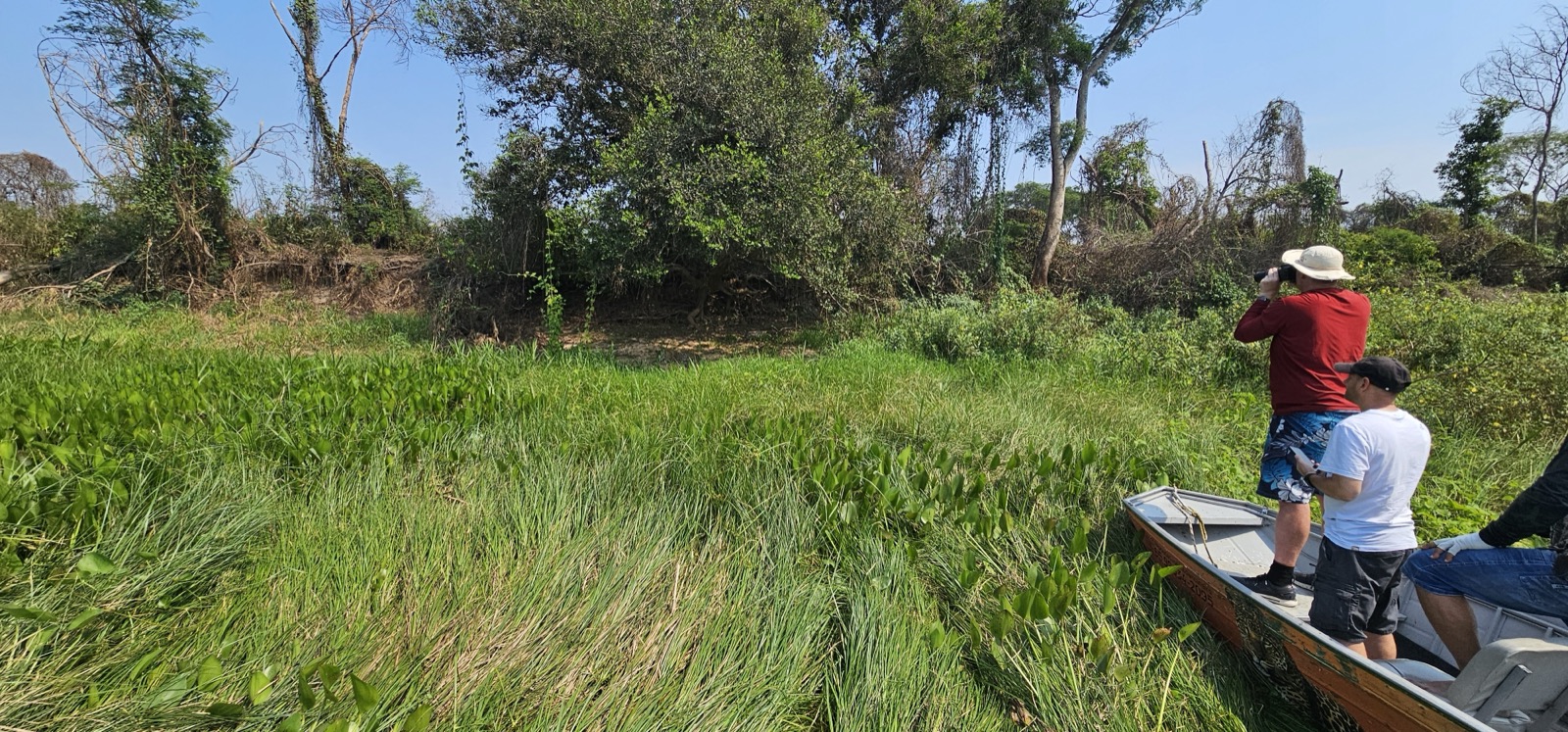
Day and night safaris do different jobs, as do a full day on the water and a shorter private boat session. We state the departure time, approximate duration, likely heat exposure and practical equipment limits for each confirmed activity so photographers can select the right lenses and bags.
A naturalist guide interprets habitat, signs and behaviour while keeping the group within the operating rules of the lodge, reserve or boat. For photographers, stopping position, background, light direction and the time required to settle a long lens can matter as much as identification.
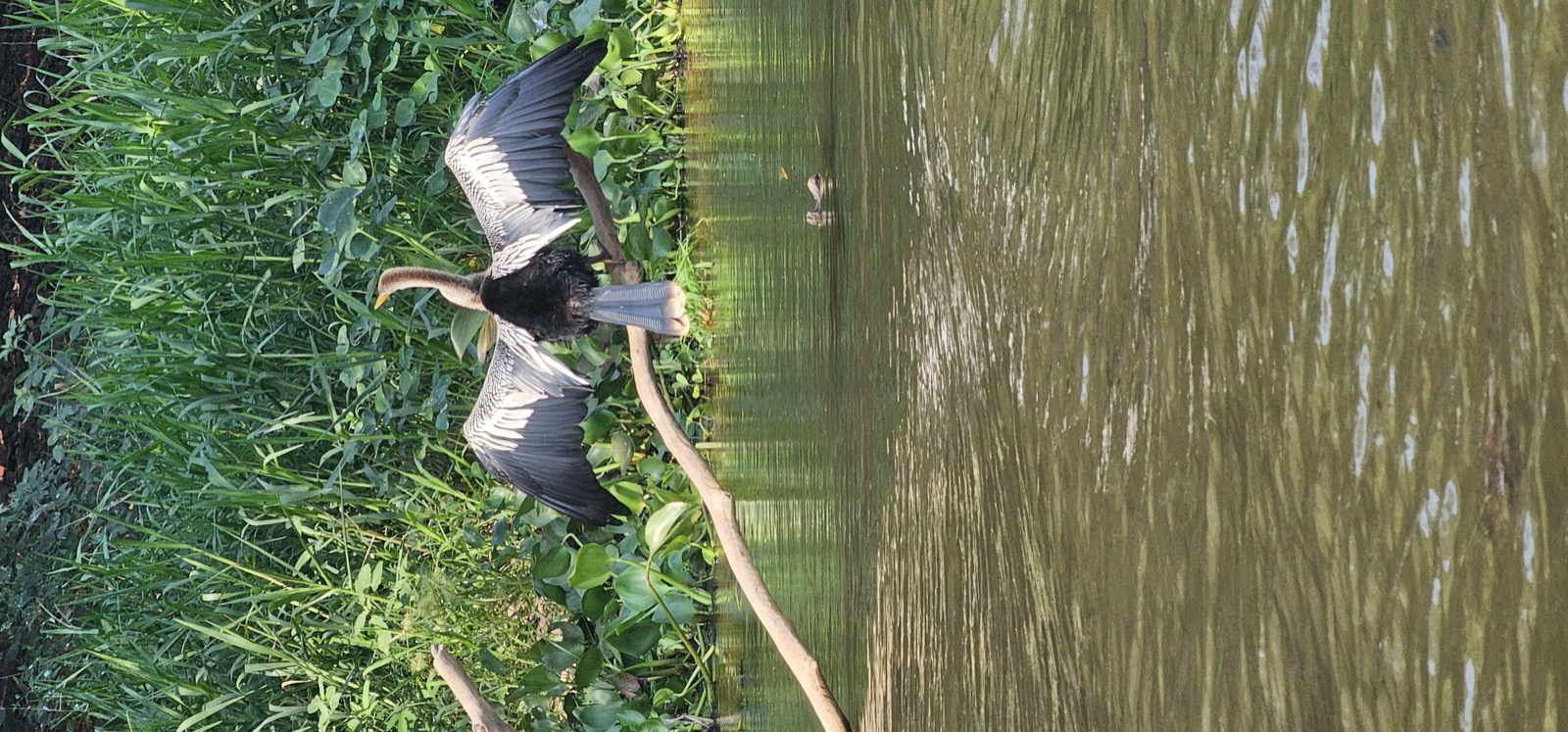
We ask the group leader whether members prioritise behaviour, portraits, environmental images, identification or video. We then discuss patient observation, clear communication and safe positioning with the guide, while respecting the guide's decisions around wildlife.
Private English-speaking support is confirmed by stage and role. This matters when the lodge naturalist, boat pilot and travelling guide are different people.
Working space determines the practical group size. We list the camera bodies, longest lenses, tripods or monopods, dry bags and mobility needs, then ask the operator how the boat or vehicle is configured and where unused equipment can remain.
Before the first outing, the group should discuss four arrangements with the guide or operator:
The confirmed arrangement should suit beginners and experienced photographers without asking either group to work beyond the guide's safety limits.
Heat affects concentration, hydration, batteries, equipment handling and the willingness to stay patient. Early and late field sessions can also shorten sleep. A good itinerary acknowledges that physical load instead of treating the hours between activities as empty space to fill.
We show the movements from Cuiaba through Piuval, Taiama and Porto Jofre in the daily schedule. Photographers can then see when equipment must be packed for a move, when it can remain ready and whether an arrival activity fits the day that came before it.
We also leave personal time for charging, backing up files, cleaning equipment, eating and preparing the next working bag. That reset becomes especially important when early and late sessions sit close together.
Water levels, vegetation, access, temperature and wildlife behaviour change through the Pantanal's seasonal cycle. A landscape photographer, a birder and a group focused on mammals may place different value on the same conditions.
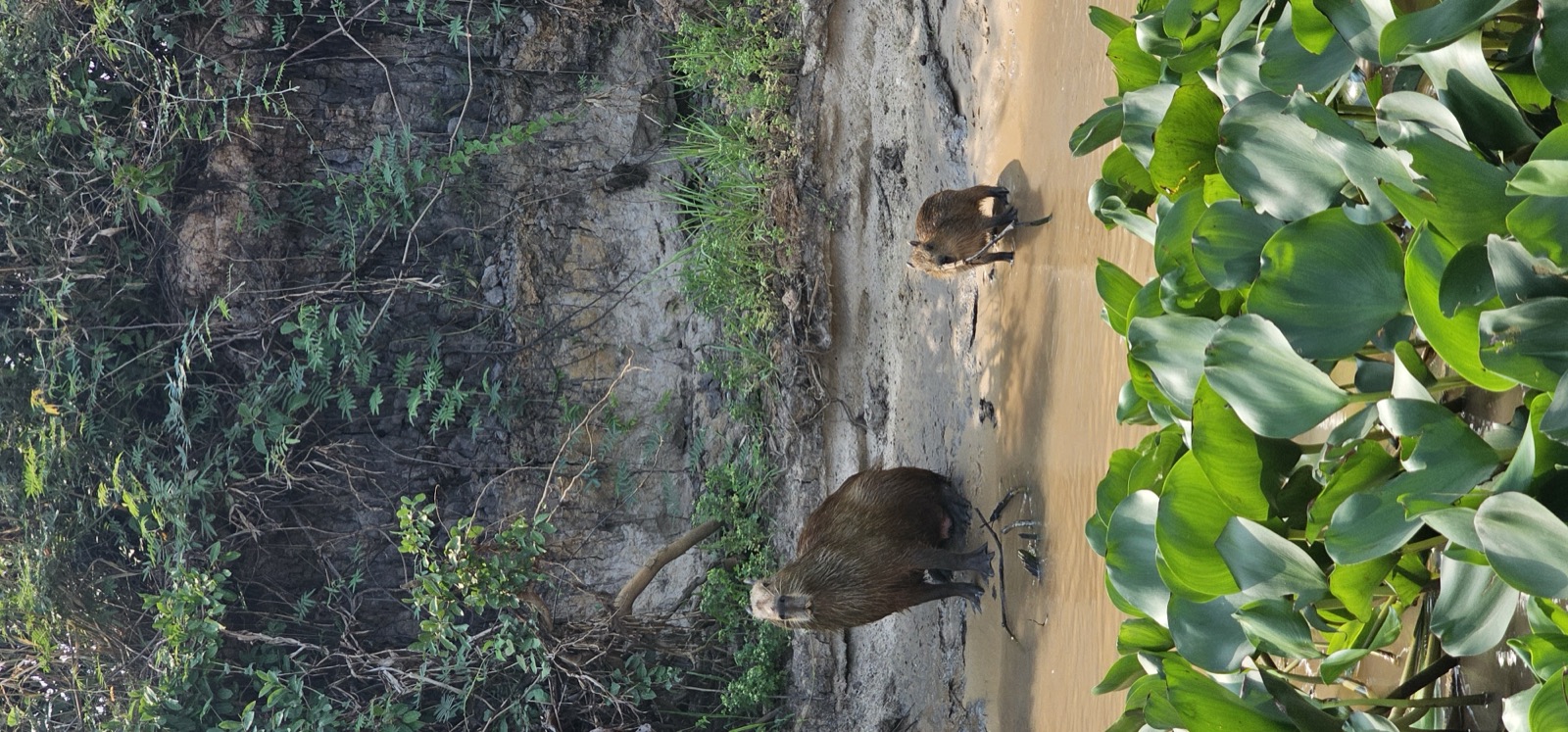
We ask each photographer for three priorities: the subjects they hope to work with, the images they want to make and the field conditions they will accept. We compare the combined brief with current regional and operator information, then choose dates for those conditions while keeping every wildlife outcome open.
Bring a practical field system rather than every piece of equipment owned. The exact list belongs to the photographer, but the group should coordinate long lenses, support equipment and charging needs so the transport plan is based on real baggage. Domestic and international flights require separate planning, including a fresh check of baggage rules.
Specialist equipment and personal health choices remain with the photographer and appropriate professional guidance. We use the packing profile to check luggage, vehicle and field logistics.
We translate the group's photographic aims into a sequence of bases, sessions and movements. The Cuiaba, Piuval, Taiama and Porto Jofre structure provides a grounded starting point, while the final design depends on current operations, dates, group size and guide confirmation.
The itinerary confirms private sessions, guide assignments and transfers once those services are secured. Photographers can then prepare for the field conditions without treating a jaguar, bird or other wildlife encounter as scheduled.
Ada Tours never guarantees a jaguar sighting or photograph because wildlife, weather, distance and light remain outside any operator's control. We design repeated observation sessions with appropriate guides so photographers have honest field opportunities across the route.
Ada Tours uses repeated boat sessions to create more than one observation window and to let the group work with changing conditions. Each session still depends on confirmed operations, safe conditions and the guide's decisions in the field.
Ada Tours sizes the working group around the confirmed boat or vehicle layout, equipment profile and the space each photographer needs. Passenger capacity alone is not a good measure when long lenses, bags and safe movement share the same space.
Ada Tours plans with professional naturalist guiding at the lodges and private English-speaking support where confirmed for the itinerary. The final guide assignment and role at each base must be checked for the requested dates.
Ada Tours treats domestic and international flights as separate from the Pantanal ground itinerary. Flight choice, baggage rules and every connection must therefore be matched to the group's equipment and ground movements.
Ada Tours needs the group size, experience range, longest lenses, support equipment, mobility needs, priority subjects and preferred working rhythm. It also helps to know which images matter most and which field conditions the group will accept.
Choose the group's maximum size, longest lens, preferred balance of boat and land sessions, acceptable number of early starts and seasonal conditions. Add any mobility need and the point at which a long transfer should replace an evening session.
Send us those choices with your Pantanal photography brief. We will map the Cuiaba, Piuval, Taiama and Porto Jofre sequence, request the guide and boat setup, and return the confirmed field windows and movements.