Your booking cart is empty!
Salvador can be a rewarding visit, but no itinerary or ordinary precaution makes the city risk-free. The capital of Bahia in north-east Brazil is known for Afro-Brazilian culture, colonial architecture, beaches and music, and Pelourinho is part of a UNESCO World Heritage historic centre. Canadian travel advice identifies Salvador among Brazilian cities with particularly high crime and warns that tourists can face violent crime as well as theft. Check current official advice before travel, keep valuables low-key, and seek local guidance about routes and timing.
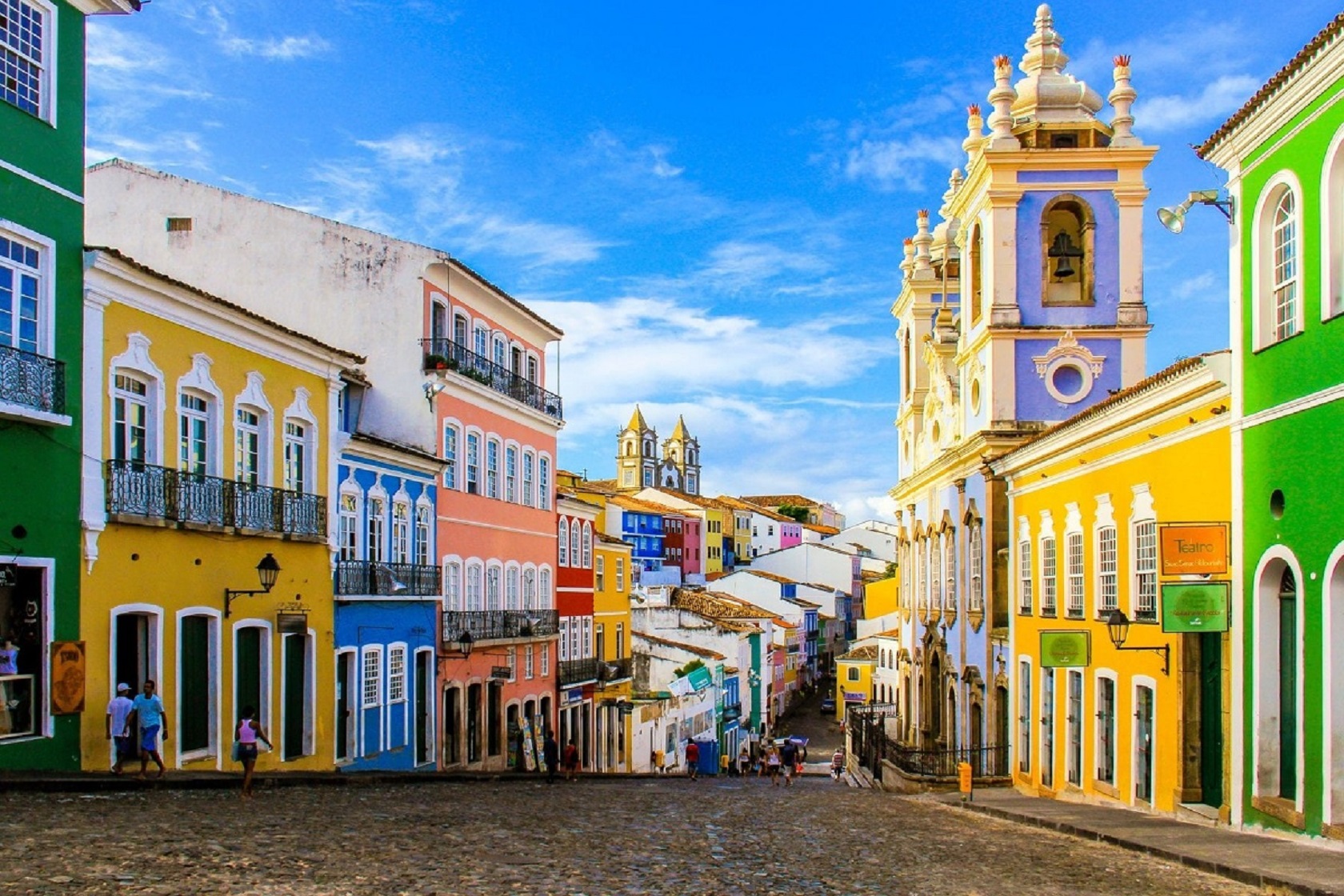
Official advice describes crime as high throughout Brazil and particularly high in Salvador; it does not establish an incident-free majority or a safe set of tourist neighbourhoods. Pickpocketing and other theft can occur in visitor areas, but armed robbery and other violent crime are also possible. Plan each outing with current local advice, keep belongings in view, avoid isolated areas and take extra care after dark. For a wider view of the region, our guide to whether it is safe to travel to South America covers how to think about a wider route.
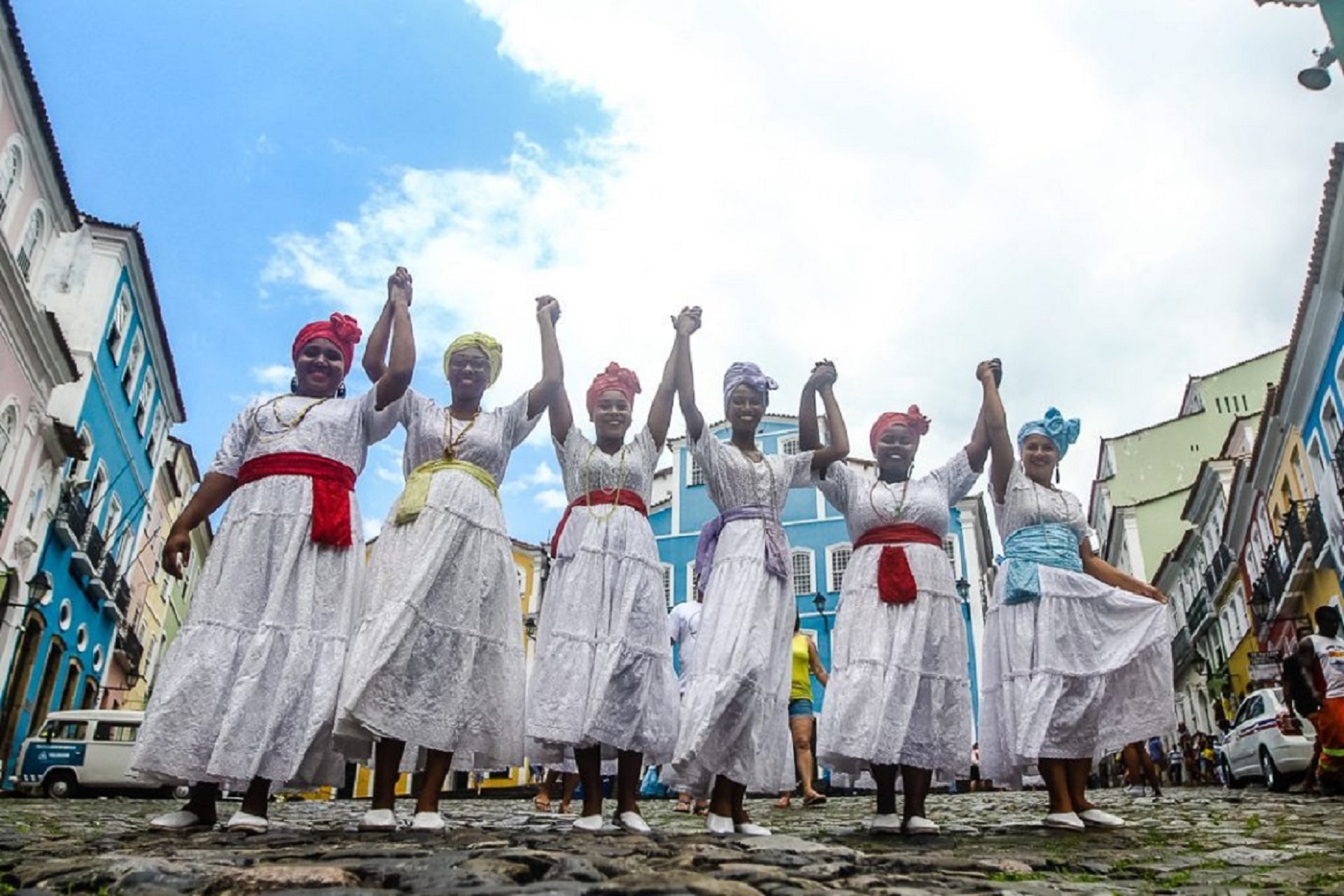
The UK Foreign, Commonwealth and Development Office's safety and security guidance for Brazil describes robbery as common in many cities, with mobile phones a frequent target, and warns that attackers may be armed. Beach theft, including group snatching known locally as arrastoes, is a recognised risk, and the same guidance advises against visiting city beaches after dark. Express kidnapping is also documented in Brazil; use authorised transport and avoid isolated areas rather than treating any one precaution as protection.
Canadian guidance adds a practical route question: neighbourhoods known as favelas or comunidades in major Brazilian cities can be unsafe for outsiders even with a local guide, and violence can spill toward tourist areas. That is not a reason to label every Salvador street the same, but it is a reason to check where a map or driver is taking you rather than follow an unfamiliar route by default. Keep documents secure, avoid displaying expensive jewellery or large sums of cash, and do not resist if confronted by an attacker. These are risk-reduction steps from official advice, not a promise that an incident cannot occur.
Salvador sits within the north-east Brazil region that the Foreign, Commonwealth and Development Office's regional risk guidance highlights separately: there, theft from hotel and motel rooms and street muggings are the incidents it says most commonly affect British nationals, which is why a hotel safe and a low-key approach to visible valuables matter as much as any single precaution. The United States government's August 2026 advisory for Brazil placed the country at Level 2, Exercise Increased Caution, citing crime and kidnapping risk that varies by area.
Pelourinho's streets and cultural venues draw visitors by day, but a daytime visit still calls for awareness of surroundings and current local advice. After sunset, official guidance for north-east Brazil recommends taxis rather than walking and advises staying off city beaches. For an evening out, arrange authorised transport, check the route and keep cash, cards and phones out of sight where practical.
Transport choice matters at arrival as well as after dinner. The UK advice warns about unlicensed taxis and people posing as ride-hailing drivers at airports; it recommends booking through an official app, matching the registration and driver details, and waiting in a suitable pickup area. Those checks can be built into a planned transfer, but a pre-booked ride is not automatically safe. If plans change during the day, recheck the route and pickup rather than relying on the morning's assumption about where you will be after dark.
The table below sets out how the same precautions map onto specific situations a typical visitor to Salvador is likely to encounter.
| Situation | Practical guidance |
|---|---|
| Pelourinho and the historic centre by day | Ask locally about the route; stay alert and keep phones and cameras discreet. |
| Pelourinho and surrounding streets after dark | Use an authorised taxi or rideshare rather than walking through quiet streets. |
| City beaches such as Barra and Porto da Barra | Guard belongings by day and avoid city beaches after sunset. |
| Public buses | Consider theft and crowding risks; keep bags close and phones discreet. |
| Cash withdrawals | Use machines inside banks or businesses and shield your PIN. |
| Arrival and airport transfer | Confirm an authorised taxi, rideshare or agreed transfer before leaving the airport. |
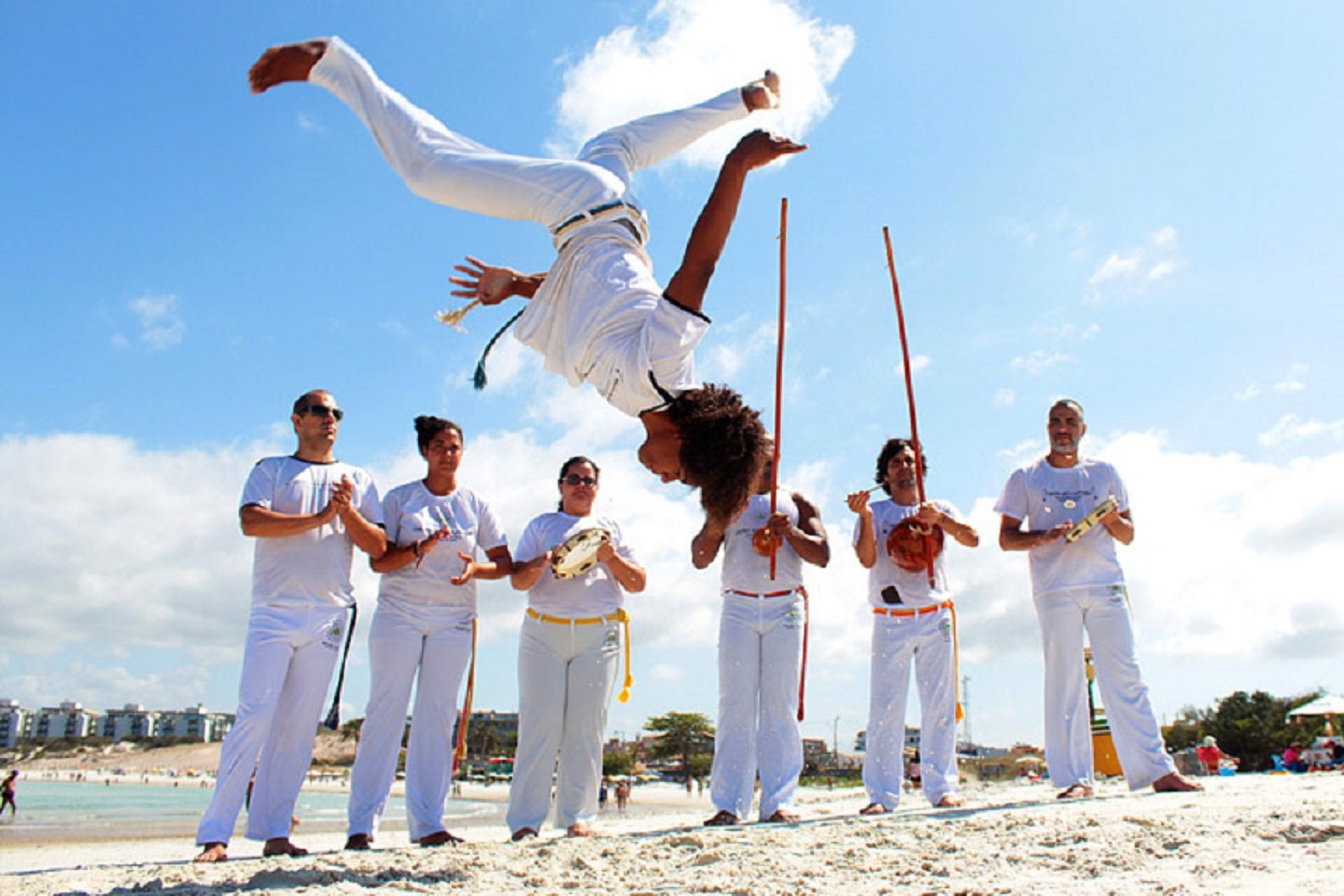
The Government of Canada's travel advice for Brazil names Salvador among cities where crime is particularly high and says tourists are mostly affected by theft but can also face violent crime. That list is not a city ranking or proof that Salvador has the same risk profile as Rio de Janeiro, Recife or Fortaleza. Decide whether Salvador fits your route using current official advice, your own risk tolerance and local arrangements; our guide to whether Rio de Janeiro is safe to visit considers a different Brazil stop.
Travelling with a tour or group can help visitors stay informed about local conditions, but it is not a shield against crime. We can discuss experienced guides and drivers for an agreed Salvador itinerary, including airport arrival to departure if that full coverage is available and included in the proposal. Local support can help with route and transport decisions, but cannot eliminate risk or replace official advice. Visit the Ada Tours home page, our Brazil travel guide or our Brazil tour packages to see how Salvador may fit into a wider trip.
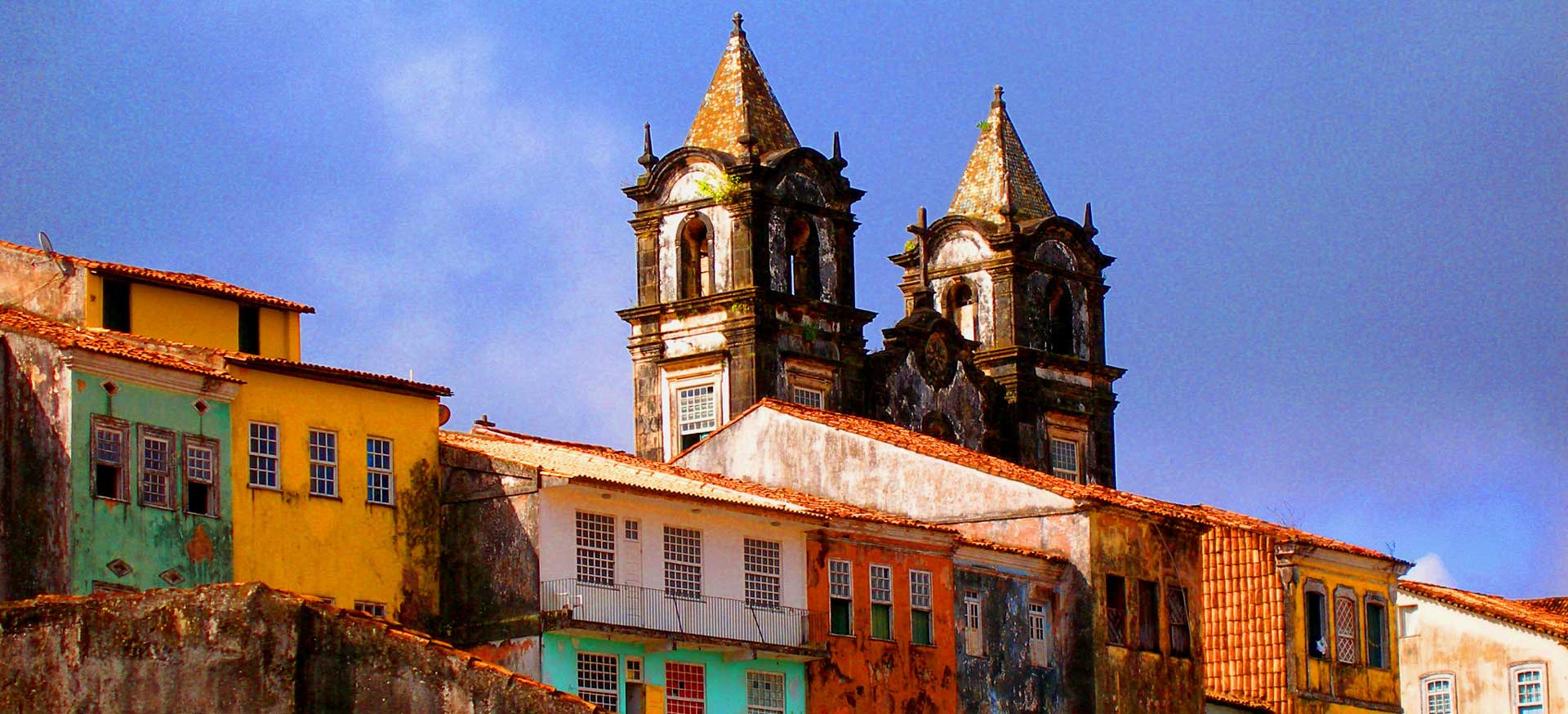
Contact Ada Tours to discuss a Salvador itinerary and tell us which experiences, transfers or guided visits would reduce your planning load. We will confirm which arrangements apply, including any arrival-to-departure support, in the proposal; no itinerary can promise a stress-free or risk-free visit.
Ada Tours does not call Salvador risk-free: official travel advice flags particularly high crime, including possible violent crime. We suggest checking current government advice and planning routes and transport around your circumstances.
Ada Tours advises using authorised transport after sunset and avoiding city beaches at night. Check driver details and the return route before an evening outing, then keep valuables low-key.
Ada Tours does not treat Salvador as interchangeable with other Brazilian cities on safety. Canada's advisory lists it among cities with particularly high crime, but that list does not compare precise risk levels.
Ada Tours can scope guides and drivers for an agreed Salvador itinerary, but cannot guarantee safety. Tell us the planned visits and times so we can confirm which support is included.
Ada Tours suggests that independent visitors check current official advice and ask locally about routes before setting out. Theft and violent crime remain possible even in tourist areas, so choose transport and timing carefully.
Ada Tours can discuss guides and drivers for specified Salvador transfers and visits, subject to the exact offer. Continuous accompaniment from arrival to departure should not be assumed unless expressly confirmed.