Your booking cart is empty!
Short answer: choose eight days for a focused first journey through the Northern Pantanal, Nobres, Chapada dos Guimaraes and Rio. Choose twelve days when a genuine southern Amazon stay matters enough to justify two extra regional stops, longer road movements and more changes of base.
Both routes share the Northern Pantanal, Nobres, Chapada dos Guimaraes and Rio. The eight day version keeps that shared core as the whole journey, giving a time-conscious group a focused sequence through wildlife, clear water, highlands and the city.
The twelve day route adds two nights at Jardim d'Amazonia and time around Campo Novo before the shared stages. Those four days create a genuine southern Amazon chapter with community and waterfall stops, plus two additional changes of base and the road time that comes with them.
| Decision | 8 day route | 12 day route |
|---|---|---|
| Core nature focus | Northern Pantanal, Nobres and Chapada | Southern Amazon fringe plus Northern Pantanal, Nobres and Chapada |
| Urban finish | Rio | Rio |
| Major changes of base | Three ground changes, plus a separate route-dependent Rio connection | Five ground changes, plus a separate route-dependent Rio connection |
| Best fit | A tighter first trip with a strong Pantanal centre | A group that values a real Amazon stay and accepts more transitions |
| Planning emphasis | Protect time in the Pantanal, Nobres and Chapada | Allow energy and time for the added overland stages |
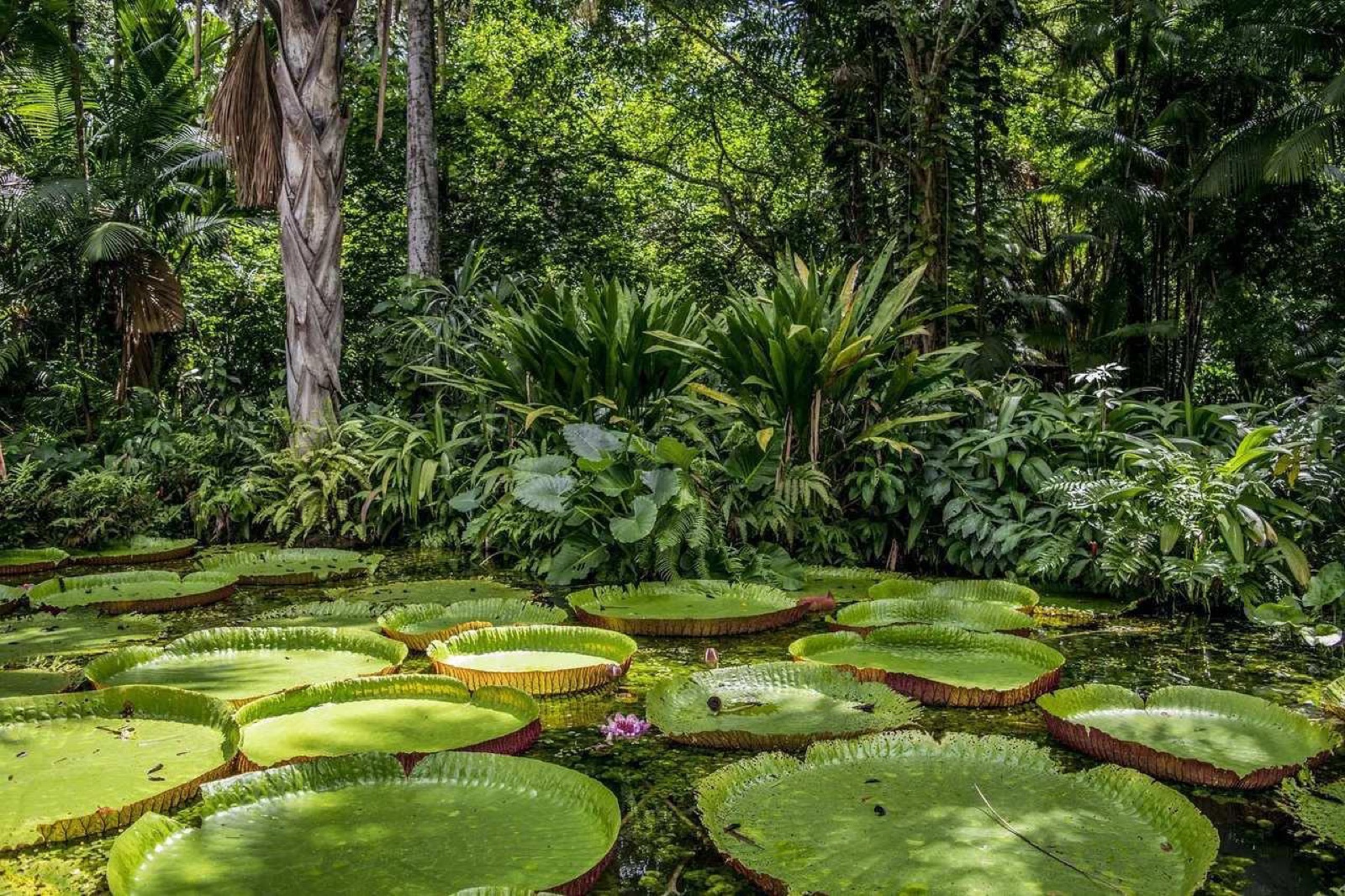
They buy continuity in the southern Amazon fringe. Two nights at Jardim d'Amazonia give the group a base rather than a brief roadside pause, while the Campo Novo stage creates room for community and waterfall stops. The longer route therefore carries a different story: the group moves through a wider transition of landscapes before continuing to Nobres, Chapada, the Northern Pantanal and Rio.
A long drive can be a purposeful part of the route, but it should be described as a travel day with appropriate stops and realistic expectations. When travellers understand that before departure, the route feels coherent. Hidden inside a list of attractions, the same movement feels tiring and rushed.
More geography creates more packing, check-outs, vehicle time and arrivals. Choose those extra days when the Amazon stay matters more to the group than the simplicity of fewer bases.
We use one measure: a major change of base is a ground movement that takes the group into the next overnight region. Local excursions inside a base do not count.
The eight day route has three major ground changes:
The twelve day route has five major ground changes:
Rio is a separate onward connection whose exact routing depends on the final order and air plan. Domestic and international flights are excluded from both land itineraries, so we confirm that connection separately instead of counting it as a ground change of base.
We also ask about early departures, repeated luggage handling, comfort on long drives and the rest time members need. Those answers tell us whether the chosen route needs another night or fewer stops.
The eight day itinerary is a Pantanal, Nobres, Chapada and Rio journey. The twelve day itinerary adds the southern Amazon stay at Jardim d'Amazonia and the Campo Novo stage, reached as part of the overland route.
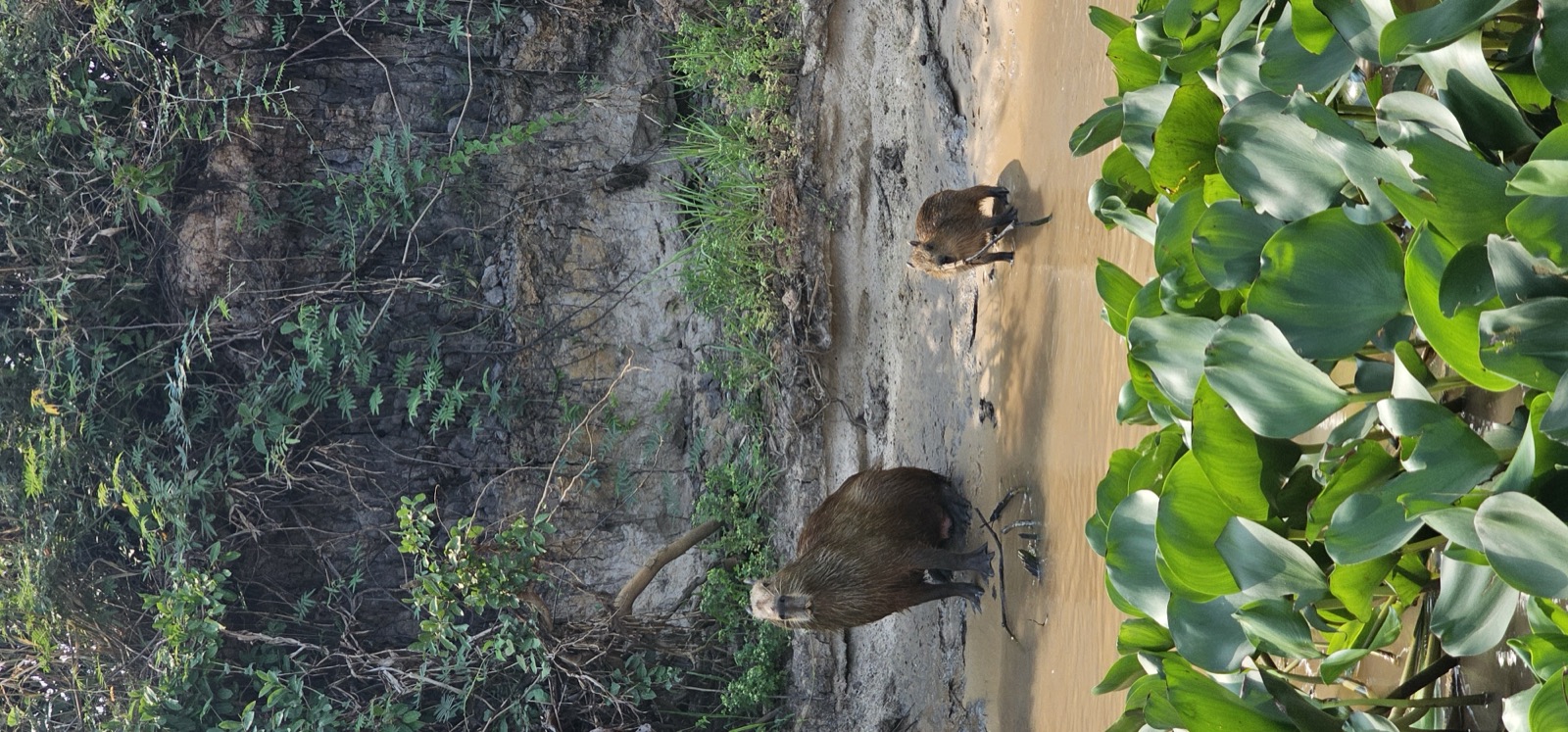
We start with the desired experience. Travellers who want repeated wildlife observation can protect time in the Pantanal, while those drawn to landscape transitions, community stops and interior Brazil can choose the longer sequence with a clear understanding of its movements.
For a time-conscious first visit, the eight day structure combines the Northern Pantanal with two contrasting inland landscapes and Rio. Its three ground changes of base also make the movement pattern easier to explain before departure.
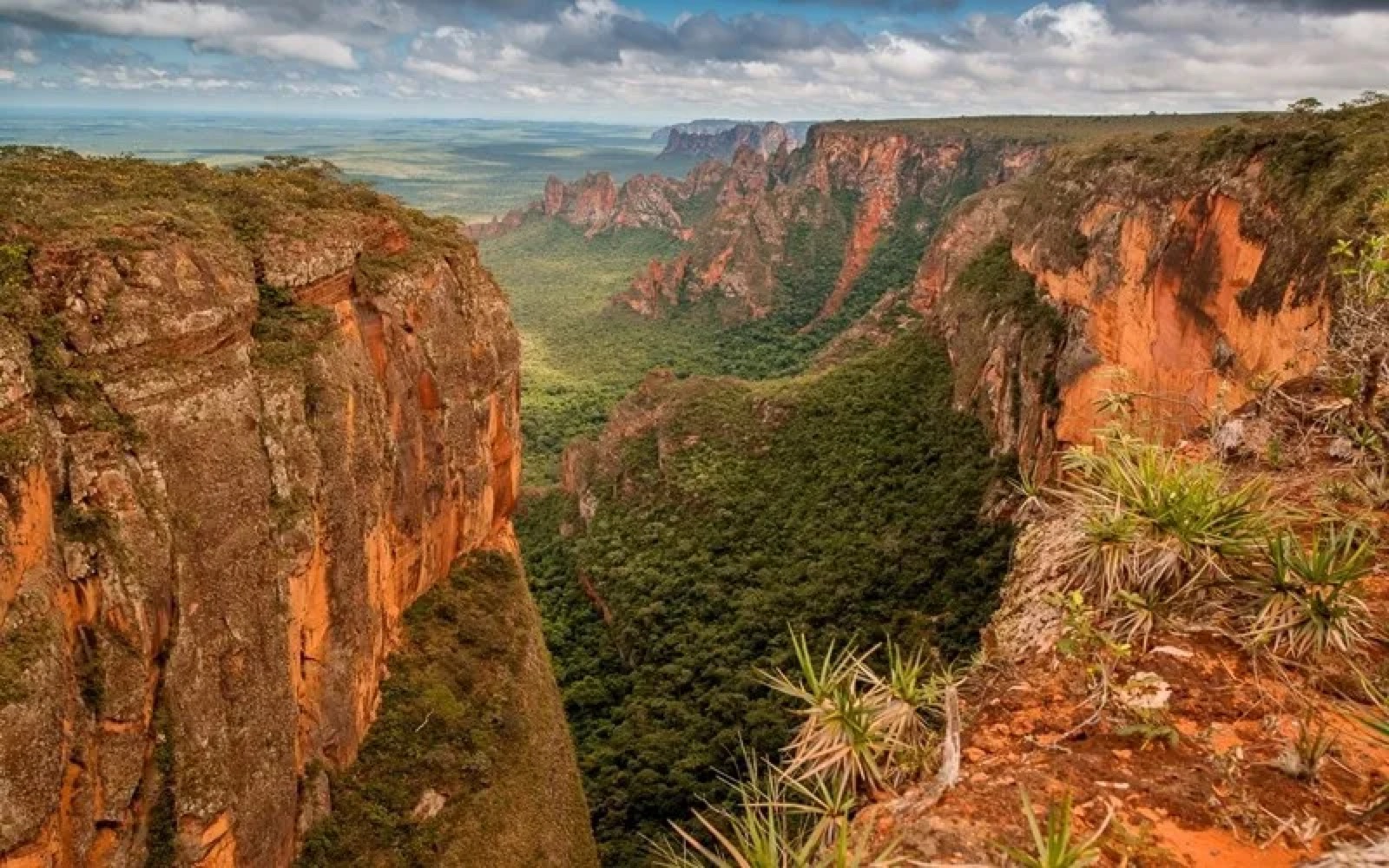
The twelve day route fits a first visit when interior travel is one of the group's main aims. The extra days need to remain with the Amazon and community chapters so the five ground changes of base deliver the wider journey members chose.
Mixed groups need a firmer decision. If half the travellers want wildlife and the other half want a relaxed city holiday, neither route will solve that tension simply by adding days. We would first agree the non-negotiable experiences, then decide whether Rio is a finish, a recovery point or a larger share of the trip.
Start with the hardest trade-off: breadth versus recovery time. Put the named stops aside for a moment and mark how many full or partial days the group is willing to spend moving. Then protect the experiences that caused people to choose Brazil in the first place.

This exercise often makes the answer obvious. A group that keeps cutting the Amazon nights to protect Rio and the Pantanal wants the shorter route. A group that keeps returning to Jardim d'Amazonia and the wider overland story wants the longer one.
We begin with group composition, arrival point, mobility, rooming, language, luggage and the experiences members care about most. We then map the demanding movements before filling the days around them. This keeps the route readable and makes it easier to see where a rest period or a second night would improve the journey.
We check hotels, guides, transport, current operating conditions and the final order for the requested dates. The result shows each movement day, each change of base and the separate Rio connection in one itinerary.
Ada Tours recommends the eight day route for a tighter first trip centred on the Northern Pantanal, Nobres, Chapada dos Guimaraes and Rio. The twelve day route is the better fit when a genuine southern Amazon stay is essential and the group accepts more road time and changes of base.
Ada Tours places the southern Amazon stay only in the twelve day route. The eight day overnight sequence centres on Cuiaba, Porto Jofre, Nobres, Chapada and Rio.
Ada Tours adds two nights at Jardim d'Amazonia and a stage around Campo Novo, creating space for a real southern Amazon chapter with community and waterfall stops. Those additions also bring more overland movement, so they suit groups that value the wider journey.
Ada Tours counts three major ground changes of base on the eight day route and five on the twelve day route. Rio is a separate route-dependent connection, with domestic and international flights excluded from both land itineraries.
Ada Tours can reshape the pacing once we understand mobility, luggage, rest and activity needs. A slower version may require more time or fewer stops because the distances do not shrink when the daily rhythm changes.
Ada Tours treats domestic and international flights as separate from these land itineraries. The final plan must therefore connect air sectors and ground movements explicitly before the group confirms the itinerary.
If the group wants a focused Pantanal, Nobres, Chapada and Rio journey, start with eight days. If the southern Amazon stay is a defining part of the trip, protect twelve days and show every extra movement explicitly.
Contact Ada Tours with your preferred travel window, group profile and three non-negotiable experiences. We will help you choose the route that fits the people travelling, then confirm the operational detail before anything is treated as settled.